Matchbox History and Founder, yaani दियासलाई की डिब्बी, is a small but revolutionary invention that brought fire into our pockets. It changed how we light fires, cook, aur even celebrate with fireworks. Let’s dive into the history, founder, first matchbox, aur year-by-year development with a mix of Hindi and English words, covering 800 words as requested.
Origins of Matches: Ancient Se Aur Modern Tak
The concept of matches goes way back, almost 5,000 years. Ancient Egyptians used pine wood sticks dipped in sulfur to create a primitive match-like tool. Lekin, these were not self-igniting; they needed an existing flame. Fast forward to the 19th century, jab modern matches ka invention hua. The matchbox, as we know it, is a small box ya डिब्बी holding wooden sticks with a chemical-coated head that ignites with friction. The word “match” comes from Old French mèche, meaning candle wick.

Founder of the Modern Match (Matchbox History and Founder)
The first successful friction match was invented by John Walker, an English chemist from Stockton-on-Tees, in 1826. He wasn’t trying to create a matchbox initially; he was experimenting with chemicals. Ek din, while mixing chemicals, a stick dipped in his mixture accidentally caught fire when rubbed against the hearth. Walker realized iska potential and developed wooden splints coated with sulfur, tipped with a mixture of antimony sulfide, potassium chlorate, aur gum. These were the first friction matches, called “friction lights.” He started selling them in 1827, but his matches were dangerous, often causing small explosions or bad smells.
Walker didn’t patent his invention, so others improved on it. In 1836, Hungarian student János Irinyi created a safer, noiseless match by replacing potassium chlorate with lead dioxide, making matches smoother aur less explosive. Then, in 1844, Gustaf Erik Pasch from Sweden introduced the safety match, which only ignited on a special striking surface with red phosphorus. This made matches safer aur widely used.
First Matchbox: The Birth of a Brand
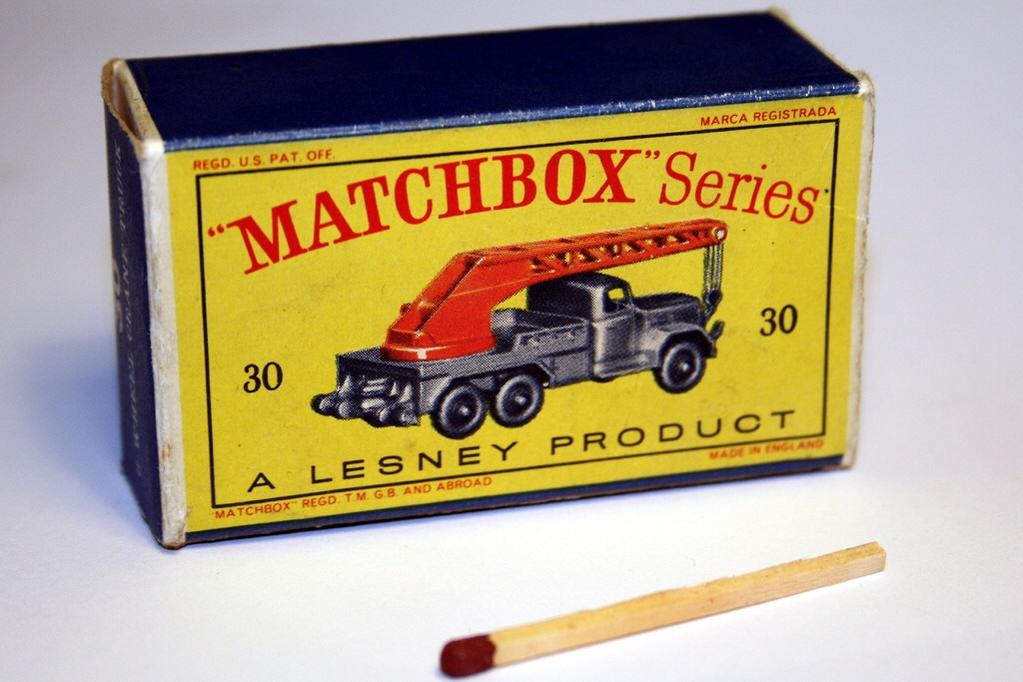
The term “matchbox” became famous with the Matchbox toy brand, started by Lesney Products in 1953 in England. Lekin, if we talk about fire matches, the first matchbox as a container was developed around the 1830s, when matches started being sold in small wooden or cardboard boxes. These boxes were simple, often just labeled with the manufacturer’s name aur production date. The modern matchbox, with colorful designs aur branding, evolved later in the 20th century, especially in India.
In India, matchboxes were first imported from Japan and Sweden before 1910, when local production began in Kolkata with skills learned from Japanese immigrants. P. Ayya Nadar aur A. Shanmughan Nadar were pioneers who took matchbox manufacturing to Sivakasi, Tamil Nadu, in 1927, making it India’s matchbox hub.
क्याआपको पता है कि रसोई में इस्तेमाल होने वाली छोटी-सी माचिस का इतिहास 195 साल पुराना है? भारत में माचिस के निर्माण की शुरुआत साल 1895 से हुई थी. इसकी पहली फैक्ट्री अहमदाबाद में और फिर कलकत्ता (अब कोलकाता) में खुली थी. लेकिन, दुनिया में सबसे पहले माचिस का आविष्कार ब्रिटेन में 31 दिसंबर 1827 में हुआ था. इसके आविष्कार थे ब्रिटेन के वैज्ञानिक जॉन वॉकर. साल 1827 में उन्होंने माचिस बनाया था. लेकिन उनके द्वारा बनाई गयी माचिस ज्यादा सुरक्षित नहीं थी.
क्योंकि उनके द्वारा बनाई गई माचिस की तीली ऐसी बनी थी, जो किसी भी खुरदरी जगह पर रगड़ने से जल जाती थी. दरअसल, माचिस की तीली पर सबसे पहले एंटिमनी सल्फाइड, पोटासियम क्लोरेट और स्टार्च का इस्तेमाल किया गया था. रगड़ने के लिए रेगमाल लिया गया. नतीजा ये हुआ कि माचिस की तीली जैसे ही रेगमाल पर रगड़ी जाती, छोटा विस्फोट होता जो इस्तेमाल के लिहाज़ से सुरक्षित नहीं थी. इसके बाद, माचिस को लेकर कई प्रयोग किए गए.
1832 में बदला माचिस का रूप साल 1832 में फ्रांस में एंटिमनी सल्फाइड की जगह माचिस की तीली पर फॉस्फोरस का इस्तेमाल किया गया. फॉस्फोरस अत्यंत ही ज्वलनशील रासायनिक तत्व होता है. पहले सफेद फॉस्फोरस का इस्तेमाल किया गया, जिससे गंध की समस्या का तो समाधान हो गया था. लेकिन जलते वक्त निकले वाला धुआं भी काफी विषैला होता था. इससे बाद में सफेद फॉस्फोरस के इस्तेमाल पर बैन लगा दिया था. सफ़ेद फोस्फोरस मनुष्य के स्वास्थ्य के लिए बड़ा ही हानिकारक होता है.
सफेद फास्फोरस के गंभीर प्रभावों के कारण कई देशों ने इसके उपयोग पर प्रतिबंध लगा दिया. फ़िनलैंड ने 1872 में सफेद फास्फोरस के उपयोग पर प्रतिबंध लगा दिया, उसके बाद 1874 में डेनमार्क, 1897 में फ्रांस, 1898 में स्विट्जरलैंड और 1901 में नीदरलैंड में. एक समझौता, बर्न कन्वेंशन, सितंबर 1906 में बर्न, स्विट्जरलैंड में हुआ था जिसने माचिस में सफेद फास्फोरस के उपयोग पर प्रतिबंध लगा दिया. ‘सेफ्टी मैच’ का आविष्कार माचिस के निर्माण में सफेद फास्फोरस के खतरों के कारण “स्वच्छ” या “सुरक्षा मैच” का विकास हुआ.
फास्फोरस का यौगिक रूप ‘फॉस्फोरस सेस्क्यूसल्फाइड’ का माचिस बनाने में इस्तेमाल किया जाने लगा, जो मनुष्य के लिए हानिरहित था. ब्रिटिश कंपनी अलब्राइट एंड विल्सन व्यावसायिक रूप से ‘फॉस्फोरस सेस्क्यूसल्फाइड’ माचीस का उत्पादन करने वाली पहली कंपनी थी. कंपनी ने 1899 में ‘फॉस्फोरस सेस्क्यूसल्फाइड’ की व्यावसायिक मात्रा बनाने का एक सुरक्षित साधन विकसित किया और इसे बेचना शुरू किया. स्वीडन के जोहान एडवर्ड और उनके भाई कार्ल फ्रैंस लुंडस्ट्रॉम ने 1847 के आसपास जोंकोपिंग, स्वीडन में बड़े पैमाने पर मैच उद्योग शुरू किया.
प्रयोग करने योग्य 1858 में उनकी कंपनी ने लगभग 12 मिलियन माचिस की डिब्बियों का उत्पादन किया. किन चीजों से बनती है माचीस बता दें, इतनी छोटी से माचिस की डब्बी को बनाने में 14 कच्चे माल की जरूरत होती है. जिसमें लाल फास्फोरस, मोम, कागज, स्प्लिंट्स, पोटेशियम क्लोरेट और सल्फर का मुख्य रूप से इस्तेमाल होता है इसके अलावा माचिस की डिब्बी दो तरह के बोर्ड से बनते हैं. बाहरी बॉक्स बोर्ड और भीतरी बॉक्स बोर्ड. वहीँ, माचिस की तीली कई तरह की लकड़ियों से बनाई जाती हैं. सबसे अच्छी माचिस की तीली अफ्रीकन ब्लैकवुड से बनती है.
पाप्लर नाम के पेड़ की लकड़ी भी माचिस की तीली बनाने के लिए काफी अच्छी मानी जाती है. भारत में माचीस कब आया भारत में माचिस स्वीडन और जापान से निर्यात किए जाते थे. साल 1910 के आसपास एक जापानी परिवार कलकत्ता (अब कोलकाता) में आकर बस गया और उन्होंने देश में माचिस का निर्माण शुरू किया. देखते ही देखते, माचिस बनाने की और भी कई छोटी-छोटी फैक्ट्री लगने लगीं. साल 1921 तक गुजरात इस्लाम फैक्ट्री अहमदाबाद के अपवाद के साथ भारत में माचिस निर्माण की कोई कंपनी सफल नहीं हो सकी थी.
लेकिन 1927 में तमिलनाडु के शिवाकाशी शहर में माचिस की फैक्ट्री लगने के बाद धीरे-धीरे भारत में माचिस निर्माण का ज्यादा काम दक्षिण भारत में बढ़ने लगा. आज भी शिवकाशी को माचिस उत्पादन के लिए जाना जाता है. आज भी भारत में सबसे बड़ा माचिस उद्योग तमिलनाडु में है. मुख्यतौर पर तमिलानाडु के शिवकाशी, विरुधुनगर, गुडियाथम और तिरुनेलवेली मैन्युफैक्चरिंग सेंटर हैं. भारत में फिलहाल माचिस की कई कंपनिया हैं, अधिकतर फैक्टरीज में अब भी हाथों से काम होता है. जबकि कुछ फैक्ट्रियों में मशीनों की मदद से माचिस का निर्माण होता है.
Year-by-Year Development of Matches and Matchboxes
1805: Pehla Step
- Jean Chancel in Paris created an early self-igniting match using potassium chlorate, sulfur, aur sulfuric acid. These were expensive aur dangerous, so not popular.
1826-1827: Friction Match Ka Invention
- John Walker invented the friction match in 1826 aur started selling them in 1827. His matches were wooden sticks tipped with chemicals that ignited when rubbed. Ye thi pehli matchbox ki shuruaat, as matches needed a container.
1836: Safer Matches
- János Irinyi introduced noiseless matches using lead dioxide, reducing the explosive nature of earlier matches. Ye ek bada improvement tha.
1844: Safety Match
- Gustaf Erik Pasch developed the safety match, which only ignited on a special surface with red phosphorus. This made matches safer for daily use.
1855: Sweden’s Monopoly
- Sweden became a global leader in safety match production, with companies like Jönköpings & Vulcans Tändsticksfabriks AB dominating the market.
1870s: Matchbox Evolution
- Matchboxes became common for packaging wooden matches. Early boxes were plain, lekin soon, colorful labels with images of gods, animals, or local themes appeared, especially in India.
1910: India Mein Matchbox
- Matchbox production started in Kolkata with Japanese influence. Ye tha India ka pehla major step towards self-reliance in match manufacturing.
1927: Sivakasi Ka Rise
- Nadar brothers shifted matchbox production to Sivakasi, Tamil Nadu, due to dry weather aur cheap labor. Sivakasi became India’s matchbox capital, producing colorful labels with themes like Bharat Mata, Gandhi, aur film stars.
1953: Matchbox Toy Brand
- Lesney Products, founded by Leslie Smith, Rodney Smith, aur Jack Odell, launched the Matchbox toy brand. Jack Odell created a tiny road roller that fit in a matchbox for his daughter’s school, starting the iconic 1-75 miniature car series. Ye alag matchbox hai, lekin isne “matchbox” ko ek global name banaya.
1956-1960s: Matchbox Toys Expand
- Lesney introduced Models of Yesteryear (1956), Accessories Packs (1956), aur Major Packs (1957). Matchbox toys became a global hit, exporting 70 million vehicles by 1960.
1970s-1980s: India’s Matchbox Art
- Indian matchboxes became a canvas for art, featuring Raja Ravi Varma paintings, political slogans, aur movie stars. Labels reflected Swadeshi movement, Indian flag, aur cultural themes.
1997: Mattel Acquires Matchbox
- Mattel bought the Matchbox toy brand, merging it with Hot Wheels. Matchbox toys continued to evolve with new series like Superfast aur Collectors Series.
2000s: Matchbox Industry Challenges
- In India, matchbox prices doubled in 2007 (from 50 paise to ₹1) aur again in 2021 due to rising raw material costs. The industry faced competition from lighters aur declining exports.
2025: Matchbox Today
- Matchbox toys remain popular under Mattel, with 125 models in the 2025 Mainline series. In India, matchbox production is declining due to lighters aur mechanization, but phillumeny (matchbox label collecting) keeps the art alive.
Matchbox Ka Cultural Impact
Matchbox, yaani दियासलाई की डिब्बी, is not just a tool for fire; it’s a cultural icon in India. Labels pe Hindu gods, film stars jaise Umrajan, aur national heroes like Netaji Subhas Chandra Bose dikhte hain. Ye boxes advertise everything—bidis, soaps, to Swadeshi slogans. In rural India, jab lighters ka access nahi hota, matchbox hi king hai. Collectors, called phillumenists, preserve these tiny artworks, reflecting India’s history aur art.
Sivakasi’s matchboxes feature vibrant designs, from Eiffel Tower to Victoria Memorial, showing modernity aur tradition ka mix. Women, especially elderly, dominate the workforce, pasting labels aur filling boxes by hand. Lekin, low wages aur mechanization se industry shrink ho raha hai.
Conclusion
The matchbox, from John Walker’s 1826 invention to India’s colorful Sivakasi labels, has lit up lives aur culture. Its journey from dangerous friction matches to safe, artistic boxes shows human ingenuity. In India, matchbox art captures desi spirit—mythology, cinema, aur politics—making it a museum in your pocket. Lekin, with lighters taking over, will this chhoti si डिब्बी survive, or become a nostalgic memory?
Matchbox History Matchbox in hindi Matchbox fastnews123 machis kaise bani machis kis ne bnayi machis fastnews123