Blog Page 5

How to Start Small Business Online: A Complete Guide

0

So, you have an idea for an online business. how to start small business online That’s the easy part. The real work is turning that spark into a real, money-making venture. The path from a concept scribbled on a napkin to your very first online sale can feel long and complicated, but it’s simpler than you think if you break it down.

At its core, starting an online business is about three things: validating an idea that people actually need, getting your legal house in order with things like GST, and then building your digital shopfront to welcome customers.

Your Roadmap From Idea to First Online Sale

Jumping into the world of e-commerce in India has never been easier, but that doesn’t mean it isn’t overwhelming. This guide is your map. We’ll cut through the noise and give you a straight, actionable plan to take you from a flicker of an idea to a validated product that customers are happy to pay for.

And the timing couldn’t be better. The opportunity for new online businesses in India is absolutely massive. In FY 2021, Indians splurged over $30 billion on online shopping. That number is set to explode, projected to cross $100 billion by FY 2026. This boom, largely fuelled by customers in tier-2 and tier-3 cities, signals a golden age for entrepreneurs. You can dig into more of these e-commerce trends on Inc42.com.

The secret to getting ahead is getting started. A solid plan transforms a huge, scary goal into a series of small, manageable steps. Forget about climbing the whole mountain at once; just focus on taking that first step.

Your Launch Timeline at a Glance

To make your online business a reality, it’s helpful to see the journey in clear, distinct phases. This stops you from feeling swamped and keeps you focused on what’s important right now. Think of it as a three-act play: first, the idea and planning; second, building the structure; and finally, the grand launch.

This timeline breaks down the entire launch into three core stages, from brainstorming all the way to growth.

A timeline graphic outlining three phases for launching an online business: conceptualize, build & organize, and launch & grow.

As the infographic shows, launching is not a single event. It’s a sequence of deliberate actions, beginning with your core idea and culminating in a living, growing business.

To give you a clearer picture, here’s a high-level look at how you can structure your first 90 days.

Your First 90-Day Online Business Launch Plan

This table lays out the key milestones to hit as you bring your business to life.

Phase Key Actions Estimated Timeline
Conceptualise & Validate Market research, niche selection, competitor analysis, business plan draft, idea validation through surveys or a small test group. Days 1-30
Build & Organise Business registration (sole proprietorship, etc.), GST & Udyam registration, domain name purchase, e-commerce platform selection, payment gateway setup. Days 31-75
Launch & Grow Website/store setup, product photography & listings, logistics & shipping partner integration, initial marketing campaigns (social media, ads), first sales. Days 76-90

This plan isn’t set in stone, but it gives you a powerful framework to follow. Let’s break down what each of these phases really means for you.

H3: Breaking Down the Journey

  • Phase 1: Conceptualise & Validate (First 30 Days)
    This first month is all about brainpower and strategy. You’ll be digging deep into your chosen niche, sizing up the competition, and, most importantly, making sure there’s a real demand for your idea before you sink your time and money into it. It’s about asking the right questions, not pretending you have all the answers.

  • Phase 2: Build & Organise (Next 30-45 Days)
    Once your idea is proven, it’s time to build. This is where you get all the official stuff done. You’ll register your business, handle legal necessities like GST or Udyam registration, and choose your e-commerce platform—whether that’s your own website with WooCommerce or selling on a marketplace. This is when your business starts to feel real, both legally and online.

  • Phase 3: Launch & Grow (Final 15-30 Days)
    This is the final, exciting sprint. Your attention shifts to the customer-facing details: creating beautiful product listings, crafting a marketing plan to bring in your first visitors, and locking down your shipping and delivery process. The aim here is to launch with a bang and have a clear strategy for getting those crucial first sales.

Finding and Validating Your Business Idea

Every great online business starts with an idea, but let’s be honest—not every idea builds a great business. The real secret is validation. It’s the process of proving that actual, real-life people are willing to pay for what you want to sell. This is where you step back from your own excitement and start gathering cold, hard facts to see if your concept can actually stand on its own.

A brilliant idea that nobody wants is just a hobby. So, before you start dreaming about logos or registering your business, your first job is to become a detective. The best part? You can do most of this without spending a single rupee, using tools you probably already use every day.

how to start small business online

Uncover Demand with Digital Tools

Your validation journey begins by listening to what the market is already saying. Free tools can offer incredible clues about what people are searching for, talking about, and, most importantly, complaining about. Think of it as your first reconnaissance mission.

A great place to start is Google Trends. It’s a surprisingly powerful tool for something so simple. Let’s say you want to sell “sustainable packaging for small businesses.” You can pop that into Google Trends and see if people in India are searching for it more or less over time. You can even compare it to another idea, like “eco-friendly gift wrapping,” to see which term has more public interest.

Next, it’s time to become a social media spy. Don’t just scroll—analyse. Search for your main keywords on platforms like Instagram and Facebook. Who are the big names in that space? What kind of content are they sharing? But the real gold is in the comments section. What are their customers saying?

Pay close attention to the complaints. If you see people constantly asking, “Do you offer this in a different colour?” or “Why is the shipping so slow?”, you’ve just stumbled upon a potential gap in the market. That gap could be your business opportunity.

Find Your Niche by Solving Real Problems

Once you’ve got a general feel for the market, it’s time to zero in on the specific problems you can solve. This is where online communities become your secret weapon for market research.

  • Reddit: Subreddits like r/india, r/IndianSkincareAddicts, or even city-specific groups are absolute goldmines. People here are incredibly open about their frustrations and what they wish they could find and buy.
  • Facebook Groups: Look for groups related to your niche, something like “Home Bakers in Mumbai” or the “Indian Dropshipping Community.” Join the conversations, listen to the challenges members are facing, and spot the needs that aren’t being met.
  • Quora: Search for questions about your potential product or service. If you see dozens of people asking, “What is the best affordable protein powder in India?”, that’s a huge signal of strong demand for information—and very likely, a product.

Don’t just be a silent observer. Engage with the community. Answer questions and offer helpful advice without trying to sell anything. This not only builds trust but also gives you direct insight into how your future customers think and talk. You’ll learn the exact words they use to describe their problems, which is priceless information for your marketing down the line.

Test the Waters with a Minimum Viable Product

Thinking and researching are great, but the ultimate test of validation is getting someone to actually pull out their wallet. This is where the concept of a Minimum Viable Product (MVP) comes into play. An MVP isn’t your perfect, final product. It’s the most basic version you can create to see if people will actually buy it.

Depending on your business, your MVP can take many forms:

Business Type Example MVP How It Validates Demand
Service-Based Offer your service (e.g., social media management) to a handful of clients at a big discount. This proves people will pay for your expertise and helps you iron out your process.
Physical Product Set up a simple landing page with good mockups of your product and a "Pre-Order Now" button. You can gauge real purchase intent before you risk money on a huge inventory.
Digital Product Sell a small, low-cost piece of your main product, like one chapter of your e-book or a single template from a pack. This tests whether the core idea is compelling enough to make someone pay.

You can get your first eyes on your MVP with a small, focused ad budget—even ₹2,000-₹5,000 on Instagram or Facebook can work wonders. Target the exact audience you discovered during your research phase. If those pre-orders start coming in or your discounted service slots get booked up, congratulations. You've officially moved beyond just an idea. You now have a data-backed concept with proven market demand, giving you the green light to confidently move forward and start your small business online.

Sorting Out the Legal and Financial Side in India

Alright, you've got a validated business idea. Now comes the part that often feels a bit daunting: setting up the legal and financial foundation. Honestly, getting your legal house in order right from the start is one of the smartest moves you can make. It protects you personally, builds trust with customers, and paves the way for smooth sailing as you grow.

Let’s be real—figuring out how to start a small business online is more than just having a cool product. It needs a proper legal framework behind it. This is your no-nonsense guide to Indian business compliance, breaking down what you actually need to do without drowning you in jargon.

Choosing Your Business Structure

The first big decision is how to register your business. This choice affects everything from your personal liability and taxes to your ability to get funding down the road. For most people starting a new online venture in India, there are three main paths to consider.

  • Sole Proprietorship: This is the simplest and most common way to go if you're a one-person show. You and your business are legally the same entity. That means no complex registration, but it also means you're personally on the hook for any business debts. It's a perfect fit for freelancers, consultants, or small-scale sellers just testing the waters.
  • Limited Liability Partnership (LLP): Think of an LLP as the middle ground. It gives you the operational flexibility of a partnership but with the limited liability of a company, so your personal assets are safe from business debts. You'll need at least one other person to be a partner, making it a great option if you're starting out with a co-founder.
  • Private Limited Company (Pvt. Ltd.): This is the most formal structure, creating a completely separate legal entity. It offers the strongest protection for your personal assets and makes it much easier to attract investors. While it comes with more paperwork and compliance, it’s the go-to structure for startups with big growth ambitions.

For a new entrepreneur just starting out, a sole proprietorship is often the easiest and fastest way to begin. You can always convert to an LLP or a Pvt. Ltd. later as your business grows and your needs change.

Making Sense of GST and Udyam Registration

Two registrations you'll hear a lot about are GST and Udyam. Don't let the acronyms intimidate you; they're quite straightforward and come with some serious perks.

Goods and Services Tax (GST) is a definite must-have for certain online businesses. If you plan to sell physical goods on marketplaces like Amazon or Flipkart, you need to register for GST from day one, no matter how much you earn. However, if you're a service provider or only selling products through your own website, the rules are different. You generally only need to register after your annual turnover crosses ₹20 lakhs for services or ₹40 lakhs for goods.

Udyam Registration is a free government registration that officially tags your business as a Micro, Small, and Medium Enterprise (MSME). The online process is quick—about 10 minutes—and the benefits are massive. India's startup scene is buzzing right now, thanks to record IPOs and better access to funding. As part of this push, government schemes like Startup India offer tax holidays for businesses with under ₹25Cr turnover, and MSME loans are available at great interest rates. Getting your free Udyam registration is a critical first step to unlocking these advantages.

Getting Your Finances in Order

Keeping your personal and business money separate is an absolute must. The first thing you should do is open a dedicated business bank account. It's easy to do once you have your business registration papers, even for a proprietorship. This simple step makes accounting, filing taxes, and tracking your profits a whole lot clearer. Many entrepreneurs also look for initial funding, and you might be interested in learning about options like the Mudra Loan Yojana and how to apply online.

Finally, you need a way to actually get paid online. That's where payment gateways come in. They securely handle payments from your customers via credit cards, debit cards, UPI, and net banking.

Popular Payment Gateways in India

Gateway Key Feature Best For
Razorpay Has a fantastic user interface and a powerful dashboard for tracking payments and analytics. Startups that want an all-in-one solution that's easy to integrate and offers detailed reports.
PayU Offers competitive pricing and has strong support for handling international payments. Businesses planning to sell to customers both in India and overseas.

Picking the right gateway ensures your customers have a smooth checkout experience, which directly boosts your sales. With your legal structure, registrations, bank account, and payment system all set up, you're officially ready to build your online store and start welcoming your first customers.

Building Your Online Store and Digital Presence

A laptop displaying 'BUILD YOUR STORE' with a smartphone, plant, and notebook on a wooden desk.

With a solid idea and your legal papers sorted, it’s time for the exciting part: building your digital headquarters. This is where your brand finally comes to life and where customers will actually meet you. For every new entrepreneur, the first big question is always where to set up shop online.

You essentially have two main roads you can take. You can either jump into the massive, churning river of an established marketplace or you can carefully build your own branded island. Each path has serious pros and cons, and the right answer for you boils down to your business model, how much you can spend, and what you want your business to look like in a few years.

Marketplace vs. Your Own Website: Which Is Right for You?

This isn't just a technical decision; it’s a strategic one that will shape your brand, customer relationships, and how much money you actually keep. Marketplaces like Amazon and Flipkart give you an instant audience, but building your own website gives you something priceless: total control.

Let's dig into the real differences to help you figure out where to plant your flag.

Feature Selling on a Marketplace (e.g., Amazon) Building Your Own Website (e.g., Shopify)
Audience Access Instant access to millions of active, ready-to-buy shoppers. You have to build your audience from scratch through marketing.
Trust Factor High. Customers already trust the marketplace's brand. You are responsible for earning every bit of customer trust.
Brand Control Very limited. You're just another seller on their turf. Total control over your brand's look, feel, and customer journey.
Customer Data The marketplace owns all customer data and relationships. You own your customer data, perfect for direct marketing and retargeting.
Fees & Costs High commissions, listing fees, and ad costs eat into profits. Predictable monthly platform fees, but you keep all your sales revenue.
Competition Extremely high. Your product is listed right next to rivals. You control the entire selling environment. No direct competitors.

While marketplaces feel like a shortcut to sales, the hidden costs and lack of brand ownership can hold you back. For anyone serious about building a lasting brand, launching your own online store is almost always the better long-term play. It’s how you build a real connection with your customers.

Setting Up Your Starter Store with Shopify

If you’ve decided to build your own brand, platforms like Shopify or WordPress with the WooCommerce plugin are your best friends. They give you all the power you need without demanding you become a coding expert. Let’s walk through the basics of getting a Shopify store off the ground.

The whole process is designed to be simple, so your main job is to create a storefront that feels clean, professional, and trustworthy.

  • Pick a Clean Theme: Your theme is your store’s outfit. Shopify has fantastic free themes like “Dawn” or “Sense” that are modern and look great on mobile. Don’t go for anything cluttered; simplicity screams professionalism.

  • Write Compelling Product Descriptions: Don’t just list specs. Tell a story. How does your product make someone’s life better? Use clear, benefit-driven language. Use bullet points so people can scan the key info quickly.

  • Integrate Indian Payment Gateways: This is a breeze. Shopify works perfectly with top Indian gateways like Razorpay and PayU. You can set them up in your Shopify dashboard to start accepting UPI, credit/debit cards, and net banking from day one.

Insider Tip: Amazing product photos are non-negotiable, but you don’t need a professional photographer. Your smartphone, some good natural light (try shooting near a window), and a simple white background (a large sheet of chart paper works wonders) are all you need for crisp, credible images that sell.

Once your store is up, the foundation it’s built on matters. Shopify handles all the technical hosting for you, which is a huge relief. But if you go the self-hosted route with something like WordPress, choosing the right host is critical. It’s well worth your time to understand why you should avoid the pitfalls of free web hosting and invest in a quality provider from the get-go.

Your online store is more than a digital catalogue; it’s the heart of your business. By picking the right platform and focusing on a clean, customer-first experience, you’re laying the groundwork for a business that can truly grow.

Your Go-To-Market Strategy for Finding First Customers

Hand holding smartphone displaying social media app, alongside a camera, notebooks, and a 'Find Customers' sign.

Congratulations, your online store is live! That’s a huge milestone. But let’s be real—a beautiful store with no visitors is just a digital ghost town. Now the real work begins: bringing in traffic and finding your first customers. This is your digital marketing starter kit, focused on high-impact strategies you can pull off even on a tight budget.

The goal isn’t to be everywhere at once. It’s about being strategic and putting your energy where it’ll actually count. Forget expensive ad agencies for now; let’s concentrate on foundational tactics that build momentum and lock in those first precious sales.

Master the Basics of Search Engine Optimisation

When someone in India needs something, their first instinct is to Google it. If your online store doesn’t show up in those search results, you’re essentially invisible. This is where Search Engine Optimisation (SEO) comes in, and it’s your most powerful tool for getting free, consistent traffic over time.

Think of SEO as making your website speak Google’s language. The better you do this, the higher you’ll rank when potential customers search for products just like yours.

Here’s where to start:

  • Use the Right Keywords: What words would your ideal customer type into Google? Use free tools like Google Keyword Planner to find these phrases (e.g., “handmade leather wallet India” or “organic baby clothes online”).
  • Optimise Your Pages: Place these keywords naturally on your product pages, in your headlines, and in your product descriptions. Each page should target a specific keyword to signal its relevance to Google.
  • Write Helpful Blog Content: Starting a blog is a game-changer for SEO. Writing articles that answer your customers’ questions (like “how to care for a leather wallet”) not only establishes you as an expert but also helps you rank for more search terms. For more tips on this, explore our comprehensive guide on what content marketing is and how it works.

Build a Community on Social Media

While SEO is a long game, social media is where you can start building relationships today. Don’t spread yourself thin trying to be on every platform. Instead, pick one or two where your target audience hangs out—for many consumer brands in India, that means Instagram and Facebook.

Your goal on social media isn’t just to spam product photos; it’s to build a genuine community.

“People don’t buy what you do; they buy why you do it.” This famous quote from Simon Sinek is the heart of social media marketing. Share your story, show behind-the-scenes content, and interact with your followers to build a brand people feel connected to.

Get active in Facebook groups related to your niche or run polls on Instagram Stories. The more you interact, the more the platform’s algorithm will show your content to new people.

Run Your First Targeted Ad Campaign

Once you have some momentum, a small, strategic ad budget can pour fuel on the fire. You don’t need a massive investment; a targeted campaign for under ₹5,000 can deliver big results if done right.

Instagram and Facebook ads are powerful because they let you target users based on their interests, demographics, and online behaviour. For example, if you sell yoga mats, you can show your ads directly to people who follow yoga-related accounts and live in your target cities. This precision is what makes it so effective.

Marketing is also getting smarter. By next year, AI-driven marketing automation will be standard for larger companies. As a small business, you can get ahead by automating parts of the customer journey, which can slash acquisition costs by up to 30%. A practical starting point is putting 20% of an initial ₹50K budget towards Instagram Reels. Working with micro-influencers (10K-50K followers) can deliver a 5X ROI for small businesses like yours.

Turn One-Time Buyers Into Repeat Customers

Getting a new customer is great, but getting an existing customer to buy again is cheaper and far more profitable. This is where email marketing comes in. It’s your direct line of communication, away from the noise of social media algorithms.

Start collecting email addresses from day one. Offer a small discount (like 10% off the first order) in exchange for their email. Then, nurture that relationship by sending valuable content, exclusive offers, and early access to new products. This simple strategy is key to turning one-time buyers into loyal fans and securing your first 100 sales.

Frequently Asked Questions

Jumping into the world of online business always kicks up a lot of questions. We’ve pulled together some of the most common ones new entrepreneurs ask, with straight-to-the-point answers for anyone starting out in India.

How Much Money Do I Need to Start an Online Business in India?

The honest answer? It really depends. But we can definitely pin down some realistic numbers. The great thing about starting an online business today is that for many ideas, the cost to get started is incredibly low. Your initial investment is tied directly to the kind of business you decide to run.

For instance, if you’re offering a service (like content writing or social media management) or trying out dropshipping, you can get going with a surprisingly small budget. You could realistically launch with as little as ₹10,000 to ₹25,000. This would cover the basics:

  • Domain Name: Around ₹800 – ₹1,500 for a year.
  • E-commerce Platform: A basic Shopify plan starts at about ₹1,900 a month.
  • Initial Ad Budget: A test budget of ₹5,000 to ₹10,000 to go find those first customers.

But if you’re planning to launch your own direct-to-consumer (D2C) brand where you manage your own stock, the initial investment is naturally going to be higher. You’ll need to budget for manufacturing or buying your first batch of products.

Sample Budget for a Small D2C Brand:
A startup selling its own physical products might set aside ₹75,000 to ₹1,50,000 for its first three months. This would typically cover legal setup, platform fees, an initial inventory run, packaging, and a solid marketing budget to get those initial sales rolling in.

Do I Need to Register for GST Immediately?

The rules around Goods and Services Tax (GST) can seem tricky, but they’re pretty straightforward once you know where your business fits. Whether you need to register depends on two things: what you sell and where you sell it.

If you plan to sell physical goods on a marketplace like Amazon, Flipkart, or Myntra, the answer is simple: you must have a GST registration from day one. There’s no turnover threshold here; it’s a mandatory rule for selling products on these platforms.

The rules are a bit more relaxed, however, if you are selling services or if you’re selling goods only through your own website. In these cases, you only need to register once you hit a certain turnover:

  • For services, you need to register for GST once your annual turnover crosses ₹20 lakhs.
  • For goods sold from your own site, the threshold is even higher at ₹40 lakhs in annual turnover.

Getting this right from the start is key. It helps you stay compliant without getting buried in paperwork before you really need to.

What Is the Easiest Online Business to Start?

The “easiest” online business is always going to be the one that clicks with your skills, your passions, and the cash you have on hand. What’s simple for one person might be a headache for another. That said, a few models are consistently great starting points for beginners looking for a low-risk way in.

Dropshipping is a top choice for anyone with limited funds. You sell products that are shipped straight from the supplier to your customer. Since you don’t buy any inventory upfront, the financial risk is almost zero. It’s a fantastic way to learn the e-commerce game.

If you have a specific skill, offering services online is another easy path to take. This could be anything from graphic design and virtual assistance to digital marketing or content writing. Your expertise is your main asset, and startup costs are tiny—often just a simple website and some networking.

Finally, selling digital products is a brilliant low-overhead model. Think about creating and selling things like:

  • E-books or guides on topics you know inside and out.
  • Digital templates for social media, resumes, or presentations.
  • Short online courses or workshops.

Once you create a digital product, you can sell it over and over again with no extra inventory cost. The profit potential is excellent. The best choice for you will balance low startup costs with what you’re genuinely interested in, setting you up for a more enjoyable and sustainable journey.


Stay informed with the latest business insights, practical guides, and market trends at FastNews123. We provide the actionable knowledge you need to turn your entrepreneurial ideas into reality. Explore more at https://fastnews123.com.


online business startup how to start small business online start online business ecommerce platforms in India business registration process GST registration for startups digital marketing tips small business legal requirements online marketing strategies business growth strategies
Complete Steps to Launch Your Clothing Brand Today

0
Complete Steps to Launch Your Clothing Brand Today

How to Start a Clothing Business – Complete Step-by-Step Launch Your Clothing Brand Today

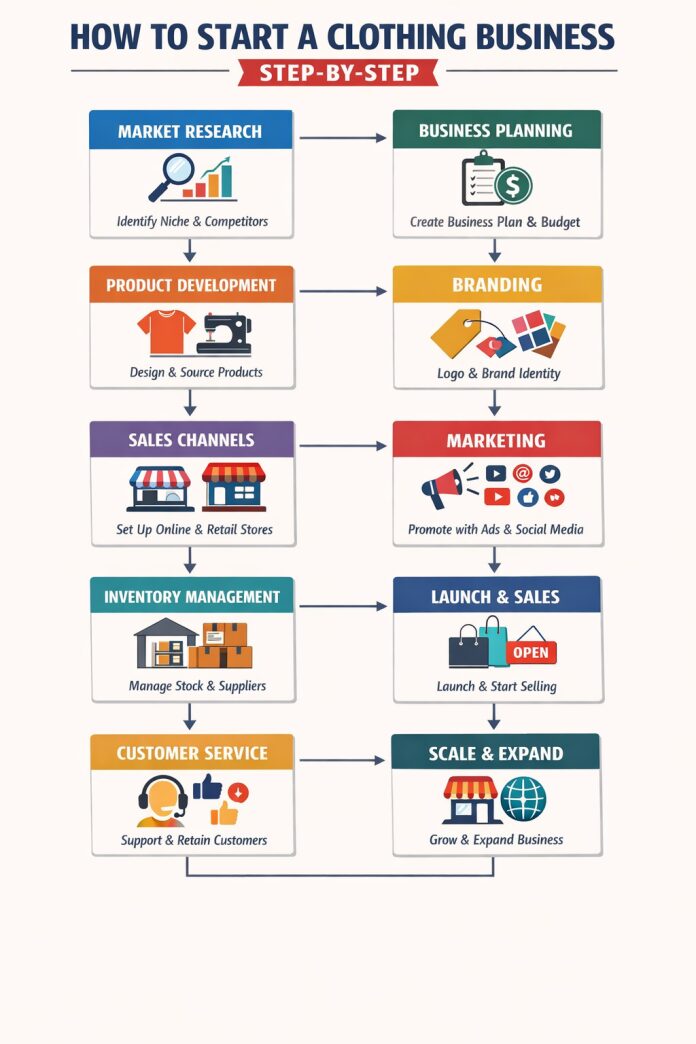
Starting a clothing business is one of the most profitable and scalable ventures in the fashion industry. However, success requires structured planning, financial discipline, brand positioning, and operational control. Below is a professional, end-to-end blueprint covering every stage — from idea validation to scaling a profitable apparel brand.

Stage 1: Market Research & Niche Selection (Foundation Stage)

Before investing capital, conduct deep market research.

Key Questions:

  • Who is your target audience? (Men, women, kids, luxury, streetwear, ethnic, activewear)

  • What price range will you target? (Budget, mid-range, premium)

  • Who are your competitors?

  • What gap exists in the market?

High-Value Niches (2026 Trends):

  • Sustainable fashion

  • Custom print-on-demand apparel

  • Athleisure & fitness wear

  • Modest fashion

  • Streetwear brands

  • Kids designer clothing

Professional Tip: Choose a niche with growing demand and manageable competition. Avoid launching a “general clothing store” without a unique selling proposition (USP).

Complete Steps to Launch Your Clothing Brand Today


Stage 2: Business Model Selection

Choose the right business structure:

1. Manufacturing Model

You design and produce your own clothes.

  • Higher profit margins

  • Requires factory coordination

  • Higher startup investment

2. Wholesale/Reselling Model

Buy in bulk from manufacturers and resell.

  • Lower risk

  • Moderate margins

  • Faster launch

3. Print-on-Demand Model

Custom designs printed after customer order.

  • Minimal inventory risk

  • Good for online startups

4. Dropshipping Model

Supplier ships directly to customer.

  • Very low investment

  • Lower control on quality

Stage 3: Business Registration & Legal Setup

Register your business professionally.

Legal Requirements:

  • Business name registration

  • Trademark registration (brand protection)

  • GST/VAT registration (if required)

  • Business bank account

  • Import/export license (if sourcing internationally)

Pro Tip: Trademark your brand name early to avoid future legal conflicts.

Stage 4: Business Plan & Financial Planning

A professional clothing startup requires a structured business plan.

Include:

  • Executive summary

  • Market analysis

  • Marketing strategy

  • Sales projections

  • Cost structure

  • Break-even analysis

Estimated Startup Investment

Business Type Approximate Investment
Small Online Brand $2,000 – $10,000
Physical Boutique $15,000 – $50,000
Manufacturing Setup $50,000+

Main Expenses:

  • Inventory purchase

  • Website development

  • Branding & packaging

  • Marketing & advertising

  • Rent (if physical store)

  • Staff salaries

Stage 5: Brand Development & Positioning

Branding is the backbone of a successful clothing company.

Elements of Strong Brand Identity:

  • Professional logo design

  • Premium packaging

  • Clear brand story

  • Targeted brand voice

  • Consistent color theme

High-Class Keywords for Branding:

  • Premium Apparel Brand

  • Luxury Fashion Line

  • Sustainable Clothing Label

  • Designer Wear Collection

  • Contemporary Streetwear Brand

  • High-End Fashion Startup

Your brand must communicate quality, trust, and lifestyle appeal.

Stage 6: Product Development & Sourcing

This is the operational core.

If Manufacturing:

  • Finalize fabric quality

  • Choose stitching standards

  • Create samples

  • Conduct quality testing

  • Approve final production batch

If Wholesale:

  • Identify reliable suppliers

  • Order samples

  • Check stitching & fabric durability

  • Negotiate bulk pricing

Professional Tip:
Never skip sample approval before bulk production.

Stage 7: Pricing Strategy

Correct pricing ensures profitability and competitiveness.

Pricing Formula:

Cost of Product + Overheads + Marketing + Desired Profit Margin

Example:

  • Product Cost = $15

  • Packaging & Marketing = $5

  • Total Cost = $20

  • Selling Price = $40–$50

Maintain 50–70% markup depending on niche positioning.

Stage 8: Sales Channels Setup

1. E-commerce Website

Create a professional online store:

  • Shopify

  • WooCommerce

  • Custom website

2. Marketplaces

  • Amazon

  • Etsy

  • eBay

3. Social Commerce

  • Instagram Shop

  • Facebook Marketplace

  • TikTok Shop

4. Physical Retail Store

  • Boutique model

  • Mall kiosk

  • Franchise expansion

Digital presence is mandatory in 2026.

Stage 9: Digital Marketing & Customer Acquisition

Marketing determines survival in the clothing industry.

High-Performance Strategies:

  • Social Media Marketing (Instagram & TikTok Reels)

  • Influencer Marketing

  • Facebook & Google Ads

  • SEO optimization

  • Email marketing campaigns

  • Retargeting ads

High-Class Keywords:

  • Fashion E-commerce Growth Strategy

  • Brand Visibility Optimization

  • Performance Marketing Campaigns

  • Customer Acquisition Funnel

  • Conversion Rate Optimization

Allocate at least 15–25% of revenue to marketing in early stages.

Stage 10: Inventory & Supply Chain Management

Efficient inventory control avoids losses.

Key Systems:

  • Inventory tracking software

  • Demand forecasting

  • Seasonal stock planning

  • Supplier relationship management

Avoid overstocking during initial months.

Stage 11: Customer Experience & Retention

Long-term success depends on repeat customers.

Focus Areas:

  • Fast shipping

  • Easy return policy

  • Professional packaging

  • Excellent customer support

  • Loyalty programs

Customer retention reduces marketing cost significantly.

Stage 12: Scaling & Expansion

After stable revenue:

Expansion Options:

  • Launch new collections

  • Introduce premium line

  • Expand internationally

  • Open physical retail outlet

  • Franchise model

  • Collaborate with influencers/designers

Professional brands scale systematically, not aggressively.

Profit Potential in Clothing Business

Gross Margin:

40% – 70% average

High-Profit Niches:

  • Streetwear

  • Athleisure

  • Luxury women’s wear

  • Sustainable fashion

Risk Factors (Clothing Brand Today)

  • Overstocking inventory

  • Poor quality control

  • Weak branding

  • Ineffective marketing

  • Seasonal demand fluctuation

Proper planning reduces these risks significantly.

Complete Startup Timeline

  1. Month 1: Market Research & Planning

  2. Month 2: Supplier Finalization & Sample Development

  3. Month 3: Production & Website Setup

  4. Month 4: Launch & Marketing Campaign

  5. Month 6+: Optimize & Scale

Final Professional Advice

The clothing industry is competitive but highly profitable if executed strategically. Focus on:

  • Strong brand positioning

  • Premium product quality

  • Data-driven marketing

  • Customer loyalty

  • Scalable operations

A well-managed clothing brand can evolve from a small startup into a global fashion label within 3–5 years if backed by consistent branding, operational excellence, and aggressive digital marketing.

Clothing Brand Today how to start a clothing business sustainable fashion  print-on-demand clothing athleisure wear private label clothing clothing brand strategy dropshipping clothing business luxury fashion startup best clothing ecommerce platforms trademark for clothing brand

How the Prime Minister Dhan Dhaanya Krishi Yojana Empowers Farmers in India

0
How the Prime Minister Dhan Dhaanya Krishi Yojana

Prime Minister Dhan Dhaanya Krishi Yojana: Complete Guide, Benefits & Step-by-Step Application Process

India की economy की backbone हमेशा से agriculture रही है। किसानों की income बढ़ाना, खेती को sustainable बनाना और rural economy को मजबूत करना हर सरकार की प्राथमिकता रही है। इन्हीं उद्देश्यों को ध्यान में रखते हुए सरकार ने Prime Minister Dhan Dhaanya Krishi Yojana की शुरुआत की है। यह योजना किसानों को financial support, modern farming tools और income security देने के लिए बनाई गई है। 

Prime Minister Dhan Dhaanya Krishi Yojana क्या है?

Prime Minister Dhan Dhaanya Krishi Yojana एक farmer-centric government scheme है, जिसका मुख्य उद्देश्य किसानों की खेती से होने वाली आय (farm income) को बढ़ाना और उन्हें आर्थिक रूप से आत्मनिर्भर बनाना है। इस योजना के अंतर्गत सरकार किसानों को direct financial assistance, crop productivity support, और risk protection प्रदान करती है।

“Dhan” का अर्थ है financial stability और “Dhaanya” का अर्थ है food security। यानी यह योजना किसान और देश—दोनों की prosperity को ध्यान में रखकर बनाई गई है।

How the Prime Minister Dhan Dhaanya Krishi Yojana Empowers Farmers in India

इस योजना की जरूरत क्यों पड़ी?

भारत में आज भी बड़ी संख्या में किसान छोटे और marginal हैं। Climate change, rising input costs, और market uncertainty किसानों की income को प्रभावित करते हैं। Prime Minister Dhan-Dhaanya Krishi Yojana का उद्देश्य इन challenges को address करना है:

  • Farmers की monthly income stable बनाना

  • Modern farming techniques को promote करना

  • Crop failure और price fluctuation से protection देना

  • Rural economy को strengthen करना

Prime Minister Dhan Dhaanya Krishi Yojana के मुख्य लाभ (Key Benefits)

इस योजना के तहत किसानों को कई direct और indirect benefits मिलते हैं:

  1. Direct Financial Support
    Eligible किसानों को yearly या seasonal financial assistance दी जाती है, जिससे seed, fertilizer और basic farming costs cover हो सकें।

  2. Income Stability
    यह योजना किसानों की income को predictable और stable बनाने में मदद करती है।

  3. Support for Small & Marginal Farmers
    Small landholding वाले किसानों को priority दी जाती है।

  4. Crop Productivity Boost
    Better seeds, soil health guidance और modern practices को encourage किया जाता है।

  5. Risk Management
    Natural disasters या crop loss की स्थिति में financial stress कम होता है।

कौन किसान इस योजना के लिए Eligible हैं?

Prime Minister Dhan Dhaanya Krishi Yojana का benefit पाने के लिए कुछ basic eligibility conditions होती हैं:

  • Applicant भारत का citizen होना चाहिए

  • Farmer के नाम पर agricultural land registered हो

  • Small और marginal farmers को preference

  • Government records में farmer details updated होनी चाहिए

कुछ राज्यों में tenant farmers या sharecroppers को भी local guidelines के अनुसार शामिल किया जा सकता है।

Prime Minister Dhan Dhaanya Krishi Yojana में कितना पैसा मिलता है?

Scheme structure के अनुसार किसानों को fixed financial assistance दी जाती है, जो yearly installments में या crop season के हिसाब से मिल सकती है। यह amount सीधे किसान के bank account में DBT (Direct Benefit Transfer) के माध्यम से transfer की जाती है।

इसका उद्देश्य middlemen को हटाकर benefit को सीधे farmer तक पहुंचाना है।

Prime Minister Dhan Dhaanya Krishi Yojana के लिए Online Apply कैसे करें?

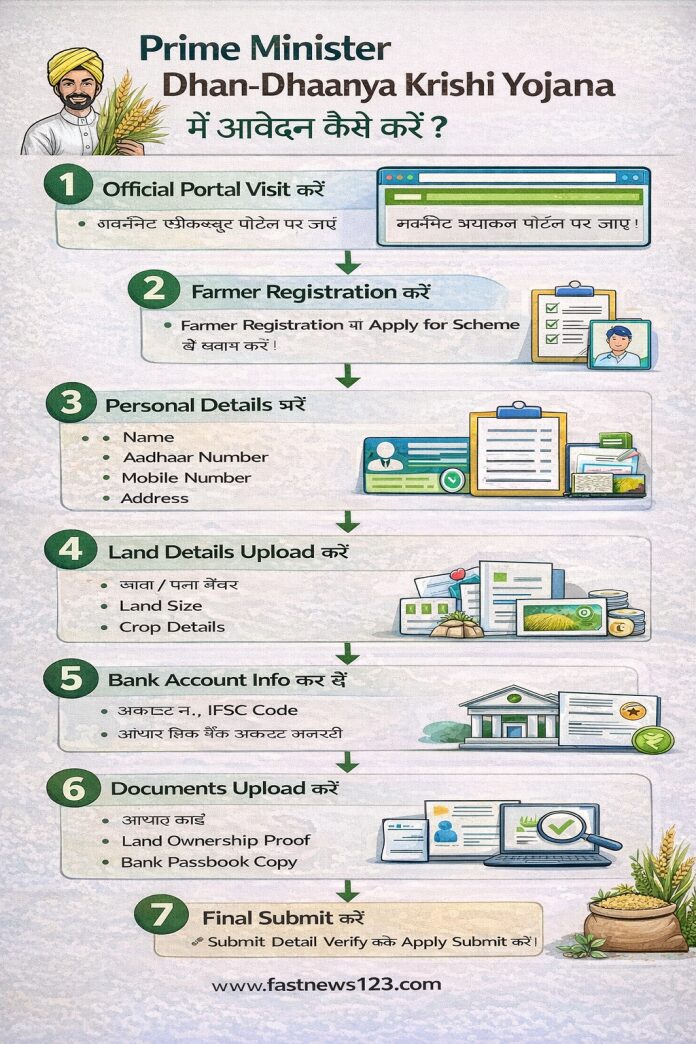
Step-by-Step Application Process

Step 1: Official Portal Visit करें
सबसे पहले सरकार द्वारा notified official agriculture portal पर जाएं।

Step 2: Farmer Registration करें
“Farmer Registration” या “Apply for Scheme” option पर क्लिक करें।

Step 3: Personal Details भरें

  • Name

  • Aadhaar Number

  • Mobile Number

  • Address

Step 4: Land Details Upload करें

  • Khata/Patta number

  • Land size

  • Crop details

Step 5: Bank Account Information दें

  • Account number

  • IFSC code

  • Aadhaar-linked bank account होना जरूरी है

Step 6: Documents Upload करें

  • Aadhaar card

  • Land ownership proof

  • Bank passbook copy

Step 7: Final Submit करें
Details verify करने के बाद application submit करें और acknowledgment slip save करें।

Offline Application का Option

जो किसान online apply नहीं कर सकते, वे:

  • Common Service Center (CSC)

  • Agriculture Department Office

  • Block Development Office

पर जाकर offline form भर सकते हैं।

Application Status कैसे Check करें?

Farmers official portal पर जाकर:

  • Registration number

  • Aadhaar number

के माध्यम से अपना application status online check कर सकते हैं

Prime Minister Dhan Dhaanya Krishi Yojana Good or Bad?

Why it is Good:

  • Direct income support

  • Transparent DBT system

  • Small farmers focused

  • Farming risk को कम करता है

Possible Limitations:

  • Awareness की कमी

  • Document mismatch से delay

  • State-wise implementation difference

Overall, यह योजना किसानों के लिए positive और long-term beneficial मानी जाती है

Farmers के लिए Expert Advice

  • Land records और Aadhaar details updated रखें

  • Bank account active और Aadhaar-linked हो

  • Fake websites से बचें

  • Official announcements पर ही भरोसा करें

Conclusion

Prime Minister Dhan Dhaanya Krishi Yojana भारत के किसानों के लिए एक strong financial support system है। यह योजना न सिर्फ income stability देती है, बल्कि modern agriculture को भी promote करती है। अगर सही तरीके से implement की जाए, तो यह scheme rural India की तस्वीर बदल सकती है।

farmers schemes India financial assistance for farmers agriculture support schemes PMDDKY online application rural economy support financial planning for farmers government schemes for farmers

Mukh Mantri Sehat Yojana (MMSY) ਕੀ ਹੈ?

0
Mukh Mantri Sehat Yojana
Mukh Mantri Sehat Yojana (MMSY) ਕੀ ਹੈ?

Exploring the Benefits of Mukh Mantri Sehat Yojana : Health Coverage Made Easy

ਮੁੱਖ ਮੰਤਰੀ ਸਿਹਤ ਯੋਜਨਾ (MMSY): ਪੰਜਾਬ ਦੀ ਸਭ ਤੋਂ ਵੱਡੀ ਸਿਹਤ ਬੀਮਾ ਸਕੀਮ – ਇੱਕ ਵਿਸਤਾਰਿਤ ਸਮੀਖਿਆ ਸਿਹਤ ਬਿਨਾਂ ਕਿਸੇ ਸ਼ੌਕ ਦੀ ਜਿੰਦਗੀ ਦਾ ਅਹੰਕਾਰ ਹੈ। ਪਰ ਇਹ ਵੀ ਸੱਚ ਹੈ ਕਿ ਵੱਡੇ ਦਰਜੇ ਦੇ ਇਲਾਜ ਦੀ ਲਾਗਤ ਅਕਸਰ ਕਿਸੇ ਵੀ ਪਰਿਵਾਰ ਦੀ ਆਰਥਿਕ ਸਥਿਤੀ ਨੂੰ ਬਿਹੱਦ ਪ੍ਰਭਾਵਿਤ ਕਰ ਸਕਦੀ ਹੈ। ਇਸ ਸਮੱਸਿਆ ਨੂੰ ਧਿਆਨ ਵਿਚ ਰੱਖਦੇ ਹੋਏ, ਪੰਜਾਬ ਸਰਕਾਰ ਨੇ ‘ਮੁੱਖ ਮੰਤਰੀ ਸਿਹਤ ਯੋਜਨਾ’ (MMSY) ਦੀ ਸ਼ੁਰੂਆਤ ਕੀਤੀ – ਇੱਕ ਅਜਿਹੀ ਸਕੀਮ ਜੋ ਹਰ ਪਰਿਵਾਰ ਨੂੰ ਅਨੁਭਵੀ ਹੋਰ ਸਿਹਤ ਸੁਰੱਖਿਆ ਪ੍ਰਦਾਨ ਕਰਦੀ ਹੈ

ਇਸ ਲੇਖ ਵਿਚ ਅਸੀਂ ਪੂਰੀ ਜਾਣਕਾਰੀ ਦੇਵਾਂਗੇ – ਇਸ ਯੋਜਨਾ ਦਾ ਮਕਸਦ, ਕਿਵੇਂ ਆਨਲਾਈਨ ਅਰਜ਼ੀ ਭਰਨੀ ਹੈ, ਸਿਹਤ ਕਾਰਡ ਕਿਵੇਂ ਮਿਲਦਾ ਹੈ, ਕੀ ਸਹੂਲਤਾਂ ਹਨ, ਹਸਪਤਾਲਾਂ ਦੀ ਲਿਸਟ, ਕਵਰੇਜ ਦੀ ਰਕਮ ਅਤੇ ਗੈਰ-ਸਿੱਧੇ ਵਿੱਤੀ ਪੱਖ SIP ਕੇਸ ਸਮੇਤ ਇੱਕ ਵਿੱਤੀ ਉਦਾਹਰਣ ਵੀ ਸ਼ਾਮਲ ਕਰਾਂਗੇ।

1. MMSY – ਕੀ ਹੈ ਅਤੇ ਕਿਸ ਲਈ ਬਣਾਈ ਗਈ?

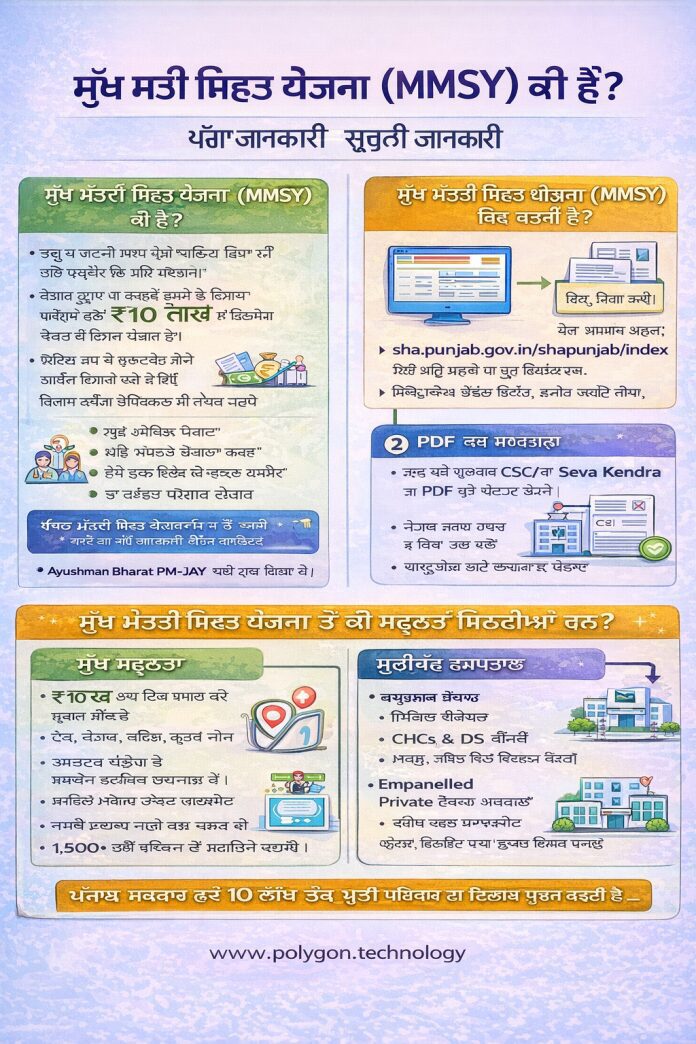
ਮੁੱਖ ਮੰਤਰੀ ਸਿਹਤ ਯੋਜਨਾ (MMSY) ਇੱਕ ਸਰਕਾਰੀ ਸਿਹਤ ਬੀਮਾ ਅਤੇ ਸੁਰੱਖਿਆ ਸਕੀਮ ਹੈ ਜਿਸ ਦਾ ਮੁੱਖ ਉਦੇਸ਼ ਹੈ:

✔ ਹਰ ਪਰਿਵਾਰ ਨੂੰ ਕੈਸ਼ਲੈੱਸ ਸਿਹਤ ਕਵਰੇਜ ਪ੍ਰਦਾਨ ਕਰਨਾ
✔ ₹10,00,000 ਤੱਕ ਇਲਾਜ ਖ਼ਰਚ ਦੀ ਯੋਜਨਾ ਦੇ ਰੂਪ ਵਿਚ ਕਵਰੇਜ
✔ ਬਿਨਾਂ ਕਿਸੇ ਆਮਦਨੀ ਸੀਮਾ ਜਾਂ ਖਾਸ ਡਾਕੂਮੈਂਟਾਂ ਦੀ ਲੋੜ ਦੇ ਸਭ ਨੂੰ ਸ਼ਾਮਿਲ ਕਰਨਾ

ਇਹ ਯੋਜਨਾ ਗੰਭੀਰ ਬੀਮਾਰੀਆਂ ਤੋਂ ਲੈਕੇ ਆਮ ਦਵਾਈਆਂ ਅਤੇ ਡਾਇਗਨੋਸਟਿਕ ਟੈਸਟ ਤੱਕ ਲਾਗੂ ਹੁੰਦੀ ਹੈ।

Mukh Mantri Sehat Yojana (MMSY) ਕੀ ਹੈ?

2. ਕਿਵੇਂ Apply ਕਰੋ – Step by Step Guide

ਆਨਲਾਈਨ ਅਰਜ਼ੀ ਦੀ ਪ੍ਰਕਿਰਿਆ

  1. ਸਰਕਾਰੀ ਬੀਮਾ ਪੋਰਟਲ ‘ਤੇ ਜਾਓ —
    👉 https://sha.punjab.gov.in/shapunjab/index

  2. Mukhyamantri Sehat Yojana ਵਿਕਲਪ ‘ਤੇ ਕਲਿਕ ਕਰੋ।

  3. ਆਪਣਾ ਆਧਾਰ ਨੰਬਰ, ਮੋਬਾਈਲ ਨੰਬਰ, ਅਤੇ ਪਰਿਵਾਰਕ ਜਾਣਕਾਰੀਆਂ ਭਰੋ।

  4. ਲੋੜੀਂਦੇ ਦਸਤਾਵੇਜ਼ ਜਿਵੇਂ ਆਧਾਰ ਕਾਰਡ, ਪਤਾ ਸਬੂਤ Upload ਕਰੋ।

  5. ਫਾਰਮ ਜਮ੍ਹਾਂ ਕਰੋ ਅਤੇ Acknowledgment ਪ੍ਰਾਪਤ ਕਰੋ।

3. ਸਰਕਾਰੀ ਜਾਂ OFFICIAL Carᴅ ਕਿਵੇਂ ਮਿਲਦਾ ਹੈ?

Aਰਜ਼ੀ ਦੀ ਵੈਰੀਫਿਕੇਸ਼ਨ ਸਰਕਾਰ ਵਲੋਂ ਕੀਤੀ ਜਾਂਦੀ ਹੈ। ਜਦੋਂ ਵੈਰੀਫਿਕੇਸ਼ਨ ਮੁਕੰਮਲ ਹੁੰਦੀ ਹੈ, ਤੁਹਾਨੂੰ:

✔ SMS ਅਤੇ Email ਦੁਆਰਾ ਸੂਚਿਤ ਕੀਤਾ ਜਾਵੇਗਾ
Sehat Card ਨਿਕਾਲਣ ਲਈ Common Service Centre (CSC) ਜਾਂ ਸਥਾਨਕ ਸੇਵਾ ਕੇਂਦਰ ‘ਤੇ ਜਾ ਸਕਦੇ ਹੋ
✔ ਇਸ ਕਾਰਡ ‘ਤੇ ਤੁਹਾਡਾ ਪਰਿਵਾਰਕ Health ID Number ਦਰਜ ਹੁੰਦਾ ਹੈ

ਇਹ ਕਾਰਡ ਤੁਹਾਨੂੰ ਕੈਸ਼ਲੈੱਸ ਇਲਾਜ ਲਈ ਪ੍ਰਮਾਣਿਕ ਕਰਵਾਉਂਦਾ ਹੈ, ਜਿਸ ਨਾਲ ਹਸਪਤਾਲ ਦੇ ਬਿੱਲ ਸਰਕਾਰ ਵੱਲੋਂ ਸਿੱਧਾ ਭਰੇ ਜਾਂਦੇ ਹਨ।

4. ਕੀ-ਕੀ ਸਹੂਲਤਾਂ ਮਿਲਦੀਆਂ ਹਨ Mukh Mantri Sehat Yojana ?

ਸਕੀਮ ਕਿਸੇ ਸਿਰਫ ਐਕਸਿਡੈਂਟ ਜਾ ਬੱਸ ਔਡੀਟੀ ਹਸਪਤਾਲ ਨੂੰ ਹੀ ਨਹੀਂ ਸੀਮਿਤ ਕਰਦੀ। ਇਸੇ ਹੇਠ ਲਿਖੀਆਂ ਸਹੂਲਤਾਂ ਸ਼ਾਮਲ ਹਨ:

✔ Hospitalization Charges
✔ ICU and ICU Equipment
✔ Cardiology & Heart Surgery
✔ Oncology (Cancer Treatment)
✔ Neurosurgery
✔ Dialysis & Organ Transplants
✔ Diagnostic Tests (MRI, CT-Scan, X-Ray, Blood Tests)
✔ Maternity & Child Delivery Coverage

ਯੋਜਨਾ ਦਾ ਧਿਆਨ ਇਹਨਾਂ ਖਰਚਿਆਂ ‘ਤੇ ਹੈ, ਜੋ ਆਮ ਪਰਿਵਾਰ ਦੇ ਬਜਟ ਨੂੰ ਸਭ ਤੋਂ ਜ਼ਿਆਦਾ ਪ੍ਰਭਾਵਿਤ ਕਰਦੇ ਹਨ।

5. ਹਸਪਤਾਲਾਂ ਦੀ ਲਿਸਟ ਅਤੇ ਕਵਰੇਜ ਹਨ ਹਸਪਤਾਲ

MMSY ਵਿੱਚ, ਹੇਠ ਦੋ ਤਰ੍ਹਾਂ ਦੇ ਹਸਪਤਾਲ ਸ਼ਾਮਲ ਹਨ:

ਗਵਰਨਮੈਂਟ ਹਸਪਤਾਲ

✔ Civil Hospitals
✔ District Hospital (DHQ)
✔ Community Health Centres (CHC)
✔ Medical College Hospitals

Empanelled Private Hospitals

✔ ਸੂਚੀਬੱਧ ਨਿੱਜੀ ਹਸਪਤਾਲ
✔ Specialist Care Institutions
✔ Emergency Trauma & Critical Care Centres

ਇਹ ਹਸਪਤਾਲ ਪੰਜਾਬ ਦੇ ਵੱਖ-ਵੱਖ ਜ਼ਿਲਿਆਂ ਵਿਚ ਪਹੁੰਚ ਸਕਦੇ ਹਨ ਅਤੇ ਉਹ ਸਰਕਾਰ ਵੱਲੋਂ ਸਵੀਕਾਰ ਕੀਤੇ ਜਾਂਦੇ ਹਨ। ਇਸ ਲਈ, ਇਲਾਜ ਦੇ ਸਮੇਂ ਪੈਸੇ ਦੀ ਚਿੰਤਾ ਨਹੀਂ ਰਹਿੰਦੀ।

6. ਕੀ-ਕੀ ਸਮੱਸਿਆਵਾਂ ਇਸ ਕਾਰਡ ਨਾਲ ਕਵਰ ਹੁੰਦੀਆਂ ਹਨ?

ਅਕਸਰ ਲਗਦਾ ਹੈ ਕਿ ਸਰਕਾਰ ਦੇਏ ਗਏ ਕਾਰਡ ਨਾਲ ਸਿਰਫ ਬਹੁਤ ਸੰਕੁਚਿਤ ਇਲਾਜ ਹੀ ਕਵਰ ਹੁੰਦੇ ਹਨ। ਪਰ Mukh Mantri Sehat Yojana ਵਿੱਚ ਸ਼ਾਮਲ ਹਨ:

✔ Heart Diseases
✔ Kidney Failure & Dialysis
✔ Cancer Treatment Packages
✔ ICU/ Emergency Care
✔ Surgeries
✔ Delivery & Obstetrics
✔ Orthopedic Treatment

ਇਸ ਦਾ ਉਦਾਹਰਣ ਇਹ ਹੈ ਕਿ ਇੱਕ ਮੁੜਲਾਉ ਜਾਂ ਅਚਾਨਕ ਹਦਸਾ ਦੀ ਸਥਿਤੀ ਵਿਚ ਵੀ ਕਾਰਡ ਦੀ ਵਰਤੋਂ ਕਰਕੇ ਖਰਚ ਬਿਨਾਂ ਬੈਂਕ ਬੈਲੈਂਸ ਦੇ ਪ੍ਰਭਾਵ ਦੇ ਇਲਾਜ ਲੈ ਸਕਦੇ ਹੋ

7. ਪੰਜਾਬ ਸਰਕਾਰ ਕਿੰਨੀ ਲਾਗਤ ਕਵਰ ਕਰਦੀ ਹੈ?

MMSY ਯੋਜਨਾ ਦੇ ਤਹਿਤ:

📍 ₹10,00,000 ਪ੍ਰਤੀ ਪਰਿਵਾਰ ਪ੍ਰਤੀ ਸਾਲ ਕਵਰ

ਇਸ ਦਾ ਅਰਥ ਹੈ ਕਿ ਇੱਕ ਸਾਲ ਵਿੱਚ, ਤੁਸੀਂ ₹10 ਲੱਖ ਤੱਕ ਇਲਾਜ ਦੀ ਲਾਗਤ ਤੋਂ ਬਚਤ ਕਰ ਸਕਦੇ ਹੋ ਜਾਂ ਸਰਕਾਰ ਵੱਲੋਂ ਕਵਰ ਕਰਵਾ ਸਕਦੇ ਹੋ।

ਇਸ ਕਵਰੇਜ ਨੂੰ ਸਿਹਤ ਕਾਰਡ ਦਰਜ ਕਰਵਾਉਣ ‘ਤੇ ਕੈਸ਼ਲੈੱਸ ਰੂਪ ਵਿੱਚ ਮਿਲਦਾ ਹੈ – ਜਿਸ ਦਾ ਮਤਲਬ ਹੈ ਕਿ ਤੁਸੀਂ ਬਿੱਲ ਦੇਣ ਲਈ ਆਪਣੇ ਖਰਚੇ ਉਠਾਉਣ ਦੀ ਬਜਾਏ ਸਰਕਾਰ ਵੱਲੋਂ ਉਨ੍ਹਾਂ ਨੂੰ ਸਿੱਧੇ ਬੇਲਾਂ ਕੀਤੇ ਜਾਣਗੇ

8. SIP Calculator + Returns Table + Fund Manager Info (Financial Planning Angle)

ਇੱਕ ਸਿਹਤ ਯੋਜਨਾ ਦੇ ਨਾਲ–ਨਾਲ ਵਿੱਤੀ ਬਚਤ ਦੀ ਯੋਜਨਾ ਵੀ ਅਹੰਕਾਰਪੂਰਕ ਰੂਪ ਨਾਲ ਸੂਝੀ ਜਾਣੀ ਚਾਹੀਦੀ ਹੈ। ਜਿਵੇਂ ਸਿਹਤ ਕਾਰਡ ਤੁਹਾਡੀ ਬਿਹਤਰੀਨ ਇਲਾਜ ਲਾਗਤ ਨੂੰ ਕਵਰ ਕਰਦਾ ਹੈ, ਓਸੇ ਤਰ੍ਹਾਂ SIP ਜਿਵੇਂ ਵਿੱਤੀ ਉਪਕਰਣ ਲੰਬੇ ਸਮੇਂ ਲਈ ਤਿਆਰ ਰਹਿਣ ਵਾਲੇ ਪੈਸੇ ਨੂੰ ਬਣਾਉਂਦੇ ਹਨ।

📊 Example SIP Projection

ਮਾਨੋ ਤੁਸੀਂ 3 ਸਾਲ ਲਈ ₹5,000 ਪ੍ਰਤੀ ਮਹੀਨਾ SIP ਕਰਦੇ ਹੋ @ 8% CAGR

  • Total Invested (36 months) ➤ ₹1,80,000

  • Expected Value ➤ ₹1,94,235

  • Net Gain ➤ ₹14,235

Duration Returns (%)
1 Month 0.4%
3 Months 1.1%
6 Months 2.4%
1 Year 5.3%
3 Year 5.7%

(Notes: ਇਹ ਗਣਨਾ ਉਦਾਹਰਣ ਲਈ ਹੈ ਅਤੇ ਬਾਜ਼ਾਰ ਹਾਲਾਤ ਅਨੁਸਾਰ ਬਦਲ ਸਕਦੀ ਹੈ।)

ਜਿਵੇਂ Mukh Mantri Sehat Yojana ਤੁਹਾਡੇ ਸਿਹਤ ਖਰਚੇ ਨੂੰ ਕਵਰ ਕਰਦੀ ਹੈ, ਓਸੇ ਤਰ੍ਹਾਂ SIP ਲੰਬੇ ਸਮੇਂ ਵਿਚ ਪੈਸਾ ਬਣਾਉਣ ਦਾ ਸਾਧਨ ਬਣ ਸਕਦਾ ਹੈ। ਇਸ ਤਰ੍ਹਾਂ ਦੋਹਾਂ ਨੂੰ ਆਪਣੇ ਵਿੱਤੀ ਯੋਜਨਾ ਵਿਚ ਸ਼ਾਮਲ ਕਰਕੇ ਪੂਰੀ ਤਰ੍ਹਾਂ ਬਚਤ ਤੇ ਸੁਰੱਖਿਆ ਦੋਹਾਂ ਪਾਸੇ ਬਲ ਮਿਲਦਾ ਹੈ।

9. ਯੋਜਨਾ ਦੇ ਮੁੱਖ ਫਾਇਦੇ

✔ ਸਿਹਤ ਇਲਾਜ ਦਾ ਕੈਸ਼ਲੈੱਸ ਸਹੂਲਤ
✔ ਬਿਨਾਂ ਆਮਦਨੀ ਸੀਮਾ ਤਾਂ
✔ ₹10 ਲੱਖ ਪ੍ਰਤੀ ਸਾਲ ਕਵਰੇਜ
✔ ਘੱਟ-ਲਾਗਤ ਜਾਂ ਮੁਫ਼ਤ ਇਲਾਜ
✔ ਗੰਭੀਰ ਰੋਗਾਂ ਤੱਕ ਸਹੂਲਤ
✔ ਸਰਕਾਰੀ ਅਤੇ ਨਿੱਜੀ ਦੋਹੇ ਹਸਪਤਾਲ

10. ਨਤੀਜਾ (Summary)

ਮੁੱਖ ਮੰਤਰੀ ਸਿਹਤ ਯੋਜਨਾ ਇੱਕ ਸਹੀ, ਵਿਅਵਸਿਆਤਮਕ ਅਤੇ ਲੰਬੇ ਸਮੇਂ ਵਾਲੀ ਸਿਹਤ ਸੁਰੱਖਿਆ ਯੋਜਨਾ ਹੈ ਜੋ ਲੋਕਾਂ ਨੂੰ ਵੱਡੀ ਇਲਾਜ ਲਾਗਤ ਦੇ ਬੋਝ ਤੋਂ ਬਚਾਉਂਦੀ ਹੈ। ਇਸ ਦੀ ਸਮਰੱਥਾ ਅਤੇ ਲਾਗੂ ਕਰਨ ਦੀ ਪ੍ਰਕਿਰਿਆ ਦੋਹਾਂ ਨੂੰ ਸੌਖੀ ਬਣਾਈ ਗਈ ਹੈ, ਤਾਂ ਜੋ ਹਰ ਪਰਿਵਾਰ ਇਸਦਾ ਲਾਭ ਉਠਾ ਸਕੇ।

ਸਿਹਤ ਨਾਲ ਨਾਲ ਵਿੱਤੀ ਯੋਜਨਾਵਾਂ ਜਿਵੇਂ SIP ਅਤੇ ਲੰਬੀ ਮਿਆਦ ਦੀ SIP ਗਣਨਾ ਨੂੰ ਸਮਝਣਾ ਵੀ ਭਵਿੱਖੀ ਸੁਰੱਖਿਆ ਲਈ ਜ਼ਰੂਰੀ ਹੈ। Mukh Mantri Sehat Yojana ਨਾਲ ਤੁਹਾਡੀ ਸਿਹਤ ਦੀ ਬਚਤ ਹੋਵੇ ਅਤੇ SIP ਨਾਲ ਤੁਹਾਡਾ ਵਿੱਤੀ ਭਵਿੱਖ ਸੁਧਰੇ — ਇਹ ਦੋਹਾਂ ਦੀ ਜੋੜੇ ਗਈ ਯੋਜਨਾ ਤੁਹਾਨੂੰ ਕਾਮਯਾਬ ਦਾ ਰਾਹ ਦਿਖਾਏਗੀ।

MMSY Health Scheme Punjab health insurance MMSY online application free health insurance Punjab Mukhya Mantri Sehat Yojna health coverage scheme India mmsy kya hai mmsys 2026 mmsy ki hai 

Why Polygon Cryptocurrency is the Game Changer in Ethereum Scaling Solutions

0
Why Polygon Cryptocurrency
Why Polygon Cryptocurrency is the Game Changer in Ethereum Scaling Solutions

Unlocking Polygon Cryptocurrency The Future of Blockchain Investment Opportunities

Blockchain technology has moved far beyond speculation and trading. Today it represents a complete digital economy that supports payments, applications, gaming, finance, and decentralized services. Among the most established infrastructure projects in this space is Polygon — a scaling network designed to make Ethereum faster, cheaper, and more practical for mass adoption.

For investors, developers, and professionals, Polygon is not only a cryptocurrency opportunity but also a business ecosystem. It offers multiple ways to participate: investing in the token, building applications, working for the company, or launching startups on its network.

This article explains what Polygon is, how the business works, how to invest safely, how to join professionally, and how to evaluate its financial worth and long-term potential.

Why Polygon Cryptocurrency is the Game Changer in Ethereum Scaling Solutions

What Is Polygon?

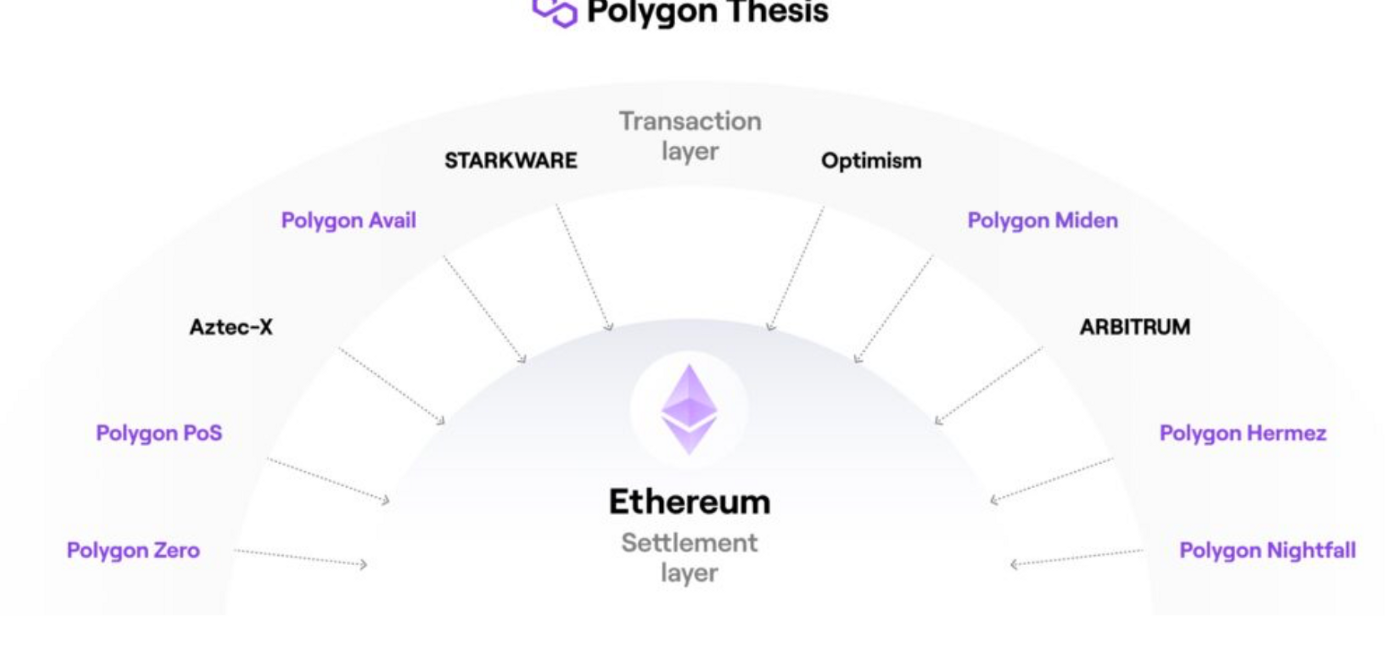
Polygon is a Layer-2 blockchain scaling solution built to support Ethereum. In simple terms, Ethereum is secure but often slow and expensive due to high transaction fees. Polygon improves performance by processing transactions off the main chain and settling them more efficiently.

As a result, users get:

Lower gas fees
Faster transactions
Better scalability
Compatibility with Ethereum apps

Thousands of decentralized applications (DeFi platforms, NFT marketplaces, gaming apps, and financial services) already operate on Polygon.

The ecosystem is supported and developed by Polygon Labs, the core technology company behind the network.

How the Polygon Business Model Works

Polygon is not a traditional company selling products. Instead, it operates as a blockchain infrastructure platform.

The business generates value through:

Transaction fees paid by users
Token economics (MATIC, now migrating to POL)
Partnerships with enterprises and brands
Developer grants and ecosystem investments
Staking rewards for validators

Developers pay small fees to use the network. Investors hold tokens that appreciate as adoption grows. Enterprises use Polygon for Web3 services. This creates a sustainable digital economy.

Unlike many speculative crypto projects, Polygon has real business utility and enterprise partnerships, which strengthens its credibility.

How to Invest in Polygon (Step-by-Step)

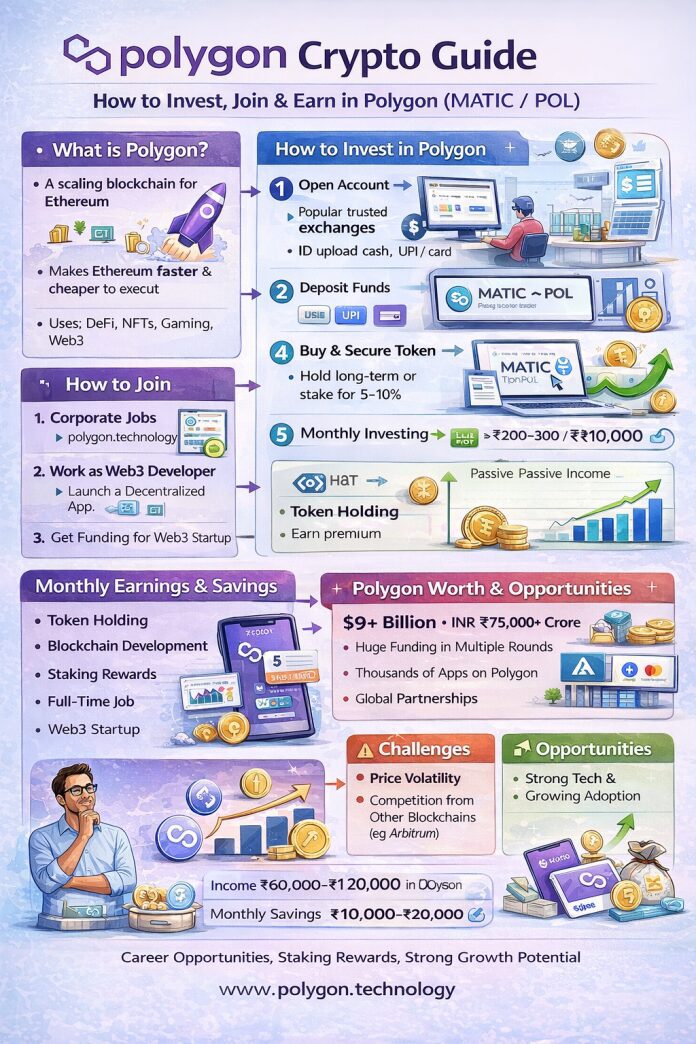
Investing in Polygon is similar to investing in other major cryptocurrencies.

First, open an account on a trusted crypto exchange such as Binance, Coinbase, or Kraken.

Complete identity verification (KYC process).

Deposit funds using bank transfer, UPI, or debit/credit card.

Search for the Polygon token (MATIC or POL).

Buy the token and transfer it to a secure wallet such as MetaMask or a hardware wallet.

Hold for long-term growth or stake tokens to earn rewards.

Staking can generate passive income of 5–10% annually depending on network conditions.

For disciplined investors, monthly savings plans work well. For example:

₹10,000 per month investment
or $200–$300 per month

Over time, systematic investing reduces volatility risk.

How to Join Polygon Professionally

Polygon offers several career and business entry points.

1. Corporate Jobs

Visit the official careers page:
https://polygon.technology/careers

Positions include:

Blockchain engineering
Product management
Marketing
Business development
Legal and compliance
Community management

Recruitment usually involves:

Online application
Technical or HR interview
Skill test
Final interview

Salaries are competitive with global tech companies. Blockchain engineers often earn premium compensation.

2. Developer / Startup Route

Entrepreneurs can build startups directly on Polygon.

Steps:

Learn Solidity or blockchain development
Create a Web3 app or service
Deploy on Polygon network
Apply for ecosystem grants or venture funding

Polygon regularly funds early-stage startups building DeFi, NFT, or gaming projects.

This path can create high-value businesses without heavy infrastructure costs.

3. Validator or Staker

Investors can also participate as validators.

Buy tokens
Stake them on the network
Help secure transactions
Earn staking rewards

This is similar to earning interest but with blockchain participation.

Monthly Savings and Earning Opportunities (Polygon Cryptocurrency)

Polygon offers multiple earning methods:

Long-term token holding
Staking rewards
Freelance blockchain development
Full-time jobs
Launching decentralized apps
Consulting services

Professionals in blockchain often earn significantly more than traditional IT roles. Developers with Web3 skills are in high demand globally.

A conservative monthly saving plan could look like:

Income: ₹60,000–₹1,20,000
Investment: ₹10,000–₹20,000 monthly in Polygon
Staking returns + price growth over time

This creates both active income and passive returns.

Polygon Net Worth and Financial Strength

Polygon has raised significant venture capital funding from global investors. The ecosystem has processed billions of transactions and supports thousands of applications.

Its valuation has reached multi-billion-dollar levels during funding rounds, making it one of the strongest blockchain infrastructure companies outside of Ethereum itself.

Because it is a token-based decentralized network, it does not plan a traditional IPO like stock market companies. Instead, the token acts as the economic representation of the network’s value.

In crypto projects, token appreciation often replaces the IPO model.

Is Polygon a Good Investment or Business Opportunity?

Polygon stands out for several reasons:

Strong technology
Real-world use cases
Low transaction fees
Growing adoption
Enterprise partnerships
Active developer community

However, risks exist:

Crypto price volatility
Regulatory changes
Competition from other blockchains
Market cycles

For long-term investors who understand blockchain technology, Polygon is considered one of the more stable and credible infrastructure investments.

It is not a “get rich quick” asset, but rather a long-term growth play similar to early internet platforms.

Final Thoughts

Polygon represents more than just a cryptocurrency. It is an expanding digital economy offering investment, employment, and entrepreneurial opportunities.

You can participate as:

Investor
Developer
Employee
Startup founder
Validator

Few industries today combine technology, finance, and innovation at this scale. For individuals willing to learn the fundamentals and take a disciplined approach, Polygon offers both professional growth and financial upside in the evolving Web3 landscape.

Blockchain technology DeFi on Polygon Polygon NFT marketplace Invest in Polygon Invest in blockchain Economic impact of blockchain fastnews123 business

Is Zepto Business Sustainable? Opportunities and Challenges Explored

0
Is Zepto Business Sustainable
Is Zepto Business

The Secrets Behind Zepto Business Unstoppable Growth: Insights & Trends

In less than five years, Zepto has become one of India’s fastest-growing startups. It operates in the rapidly expanding quick-commerce sector, delivering groceries and essentials to customers in minutes rather than hours or days. Its rise reflects changes in consumer expectations, urban lifestyles, and digital adoption, but also highlights the challenges of scaling a capital-intensive business.

Is Zepto Business Sustainable? Opportunities and Challenges Explored


What Is Zepto and How Did It Begin?

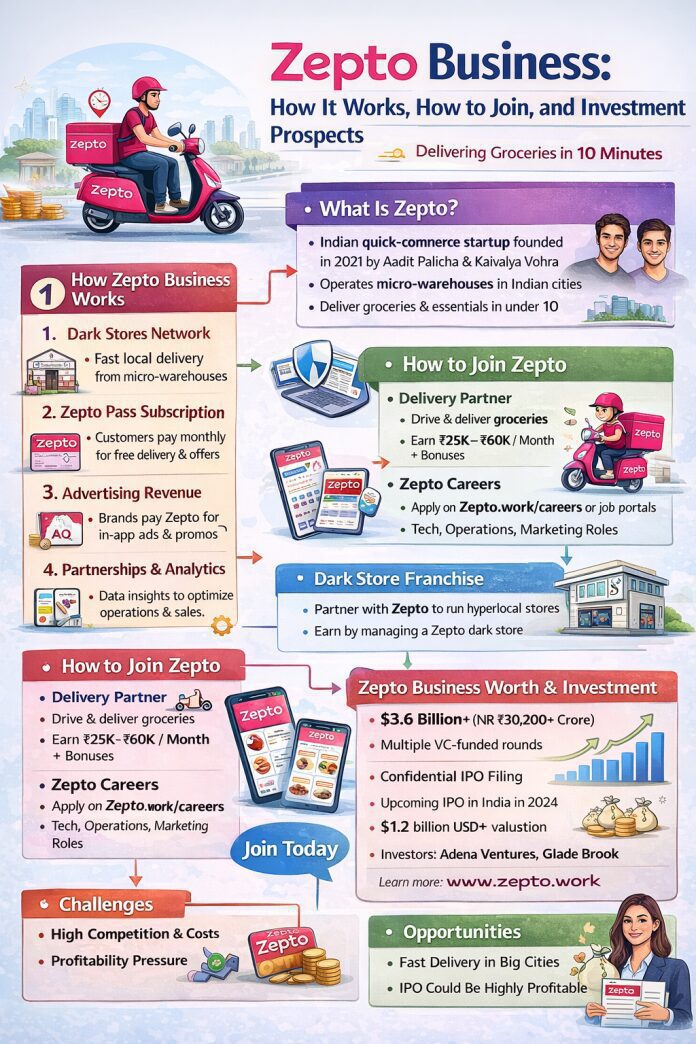
Zepto is an Indian quick-commerce company founded in 2021 by Aadit Palicha and Kaivalya Vohra. The two began the business, originally named KiranaKart, while still teenagers and eventually dropped out of college to focus full-time on building the company. Zepto rebranded and pivoted from partnering with small kirana stores to building its own network of micro-warehouses — known as dark stores — across cities in India.

Today, Zepto operates hundreds of dark stores across multiple metropolitan regions. Its primary promise to customers is 10-minute delivery of everyday essentials including groceries, personal care products, and household items.

How the Zepto Business Model Works

At its core, Zepto is a logistics and retail business built on four key pillars:

1. Fast Delivery via Dark Stores
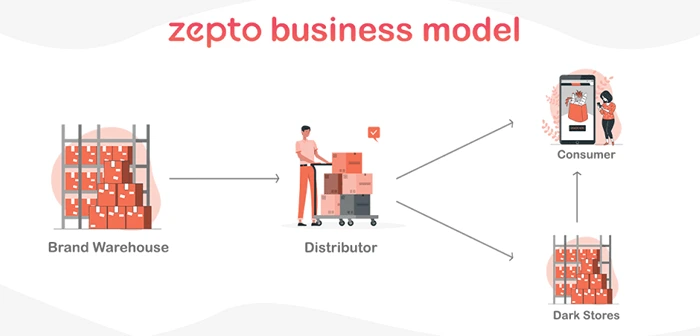
Zepto builds or leases small, strategically located warehouses near residential areas. These dark stores stock high-frequency items so that orders can be picked, packed, and delivered quickly — usually within 10 minutes of ordering.

2. Product Sales and Margins
Zepto sources products in bulk directly from suppliers or vendors at a lower cost, then sells them at market prices. The difference between the buying and selling price generates primary revenue.

3. Subscription (Zepto Pass)
The company offers a membership program called Zepto Pass that gives loyal customers unlimited free delivery and special deals for a monthly fee. This creates recurring revenue and helps retain users.

4. Advertising and Additional Services
Brands can pay for in-app advertising, premium placement, or data-driven marketing campaigns. Zepto is also expanding into private-label products with higher margins and experimenting with ready-to-eat services like Zepto Café in some cities.

Overall, Zepto’s revenue mix includes product margins, delivery charges, subscriptions, advertising, and value-added services.

Joining or Working With Zepto: How It Works

Zepto’s operations involve both corporate and delivery roles, and there are several ways people engage with the business:

1. Working as a Delivery Partner

Many gig workers join Zepto as delivery partners. These partners use their own vehicles or bicycles to deliver orders, earning wages and incentives based on performance. Some recruitment platforms advertise that delivery partners can earn anywhere from ₹25,000 to ₹60,000 per month, with bonuses and support schemes available.

2. Corporate or App-Based Roles

Zepto also hires for corporate positions including tech, operations, supply chain, and customer service roles. Interested candidates typically apply through the official Zepto careers portal or job sites linked to its corporate offices.

3. Franchise or Business Partnerships

While Zepto is not a traditional franchise business like a retail chain, there are reports of local entrepreneurs exploring partnership opportunities in hyperlocal delivery and dark-store management in select regions.

4. Consumer Use

For everyday customers, joining Zepto’s ecosystem is as simple as downloading the Zepto Now app, registering, and starting orders. The platform supports instant cart checkout and fast deliveries.

Investing in Zepto — Startup Funding and IPO Prospects

Zepto’s fundraising history is one of the fastest among Indian startups:

  • It raised initial seed funds in 2021.

  • Multiple venture capital rounds followed, including Series C, D, E, and later rounds that pushed its valuation into the billions.

  • In 2025, Zepto raised large funding rounds that valued the company at over $7 billion, with significant new capital injected by global investors.

The company has also filed confidentially for an IPO worth more than $1.2 billion, expected to be among India’s most anticipated public listings. This filing marks a transition from private fundraising to a potential public market debut, giving early investors and employees a path to liquidity.

For everyday investors, direct investment in Zepto (pre-IPO) often happens through secondary markets or private equity platforms, but this requires accreditation and access that individual retail investors may not always have.

Financial Worth and Business Sustainability

Zepto’s financial performance is not fully disclosed like a public company’s would be, but available data suggests robust growth:

  • Zepto doubled its revenue to over ₹4,454 crore in FY24 as it scaled operations.

  • It has expanded its Zepto Pass subscriber base into millions of users.

Profitability in quick commerce is notoriously difficult because rapid delivery means high logistics costs — especially wages, fuel, and warehouse operations. But Zepto has focused on optimizing cost per order and expanding high-margin revenue streams such as advertising and private labels.

Is Zepto Business Worth It? — Opportunities and Challenges

Zepto’s business model is attractive because it meets a clear consumer demand for fast service, and its valuation reflects investor confidence in this segment. The company’s growth trajectory shows significant market opportunity.

Opportunities include:

  • Urban customers increasingly prefer fast delivery for grocery and essentials.

  • Membership programs offer recurring revenue.

  • IPO plans provide long-term investor upside.

Challenges include:

  • High operational costs and competition from rivals like Blinkit and Swiggy Instamart.

  • Profitability pressures remain intense as quick commerce logistics are expensive.

  • Regulatory and market risks such as food safety compliance in dark stores.

Conclusion

Zepto has evolved from an ambitious startup founded by young entrepreneurs into a major player in India’s quick-commerce space. For consumers, it delivers convenience; for employees, it offers gig and corporate employment; and for investors, it represents a potential high-growth opportunity. Its IPO plans and strong funding history show confidence in its business model, but like all disruptive tech companies, it must balance growth with sustainable economics.

Zepto business Zepto startup quick commerce India Zepto delivery Zepto business model food delivery startups 10-minute delivery service Zomato IPO hyperlocal delivery startups fastnews123 business

The Rise and Fall of Jeffrey Epstein Biography A Deep Dive into His Life and Crimes

0
Jeffrey Epstein Biography
The Rise and Fall of Jeffrey Epstein Biography A Deep Dive

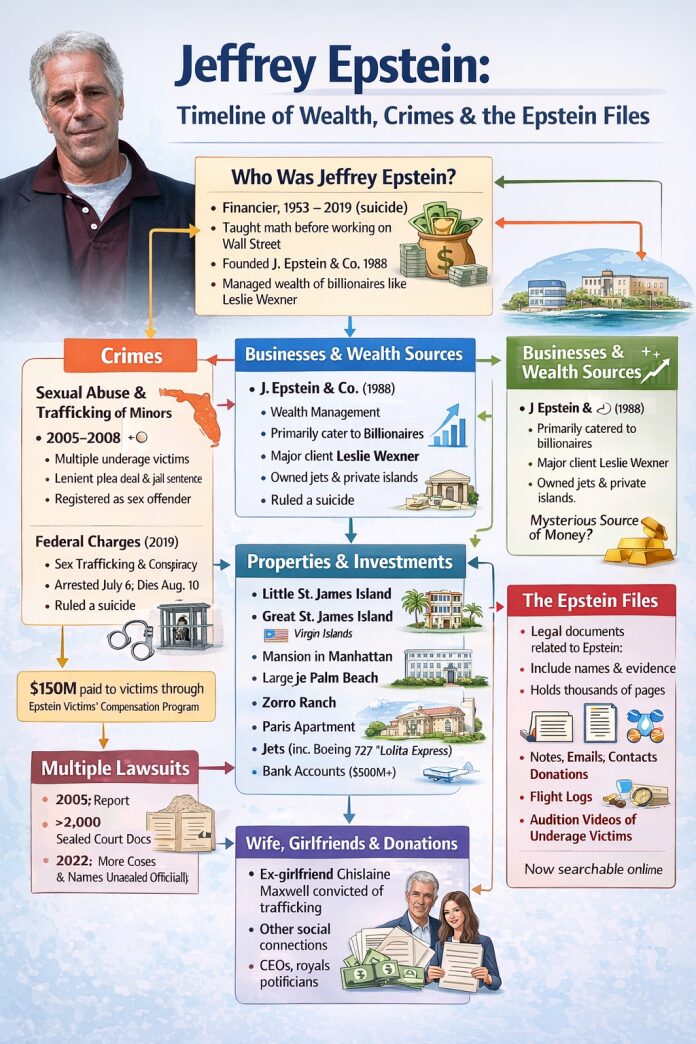
Jeffrey Epstein Biography (January 20, 1953 – August 10, 2019) was an American financier whose life story became one of the most controversial and disturbing in recent decades. Rising from modest beginnings in Brooklyn, New York, Epstein cultivated powerful friendships, amassed significant wealth, and built a reputation that blended finance, social influence, and eventual criminal notoriety. His legacy, however, is dominated by grave criminal conduct and ongoing legal scrutiny.

Early Life and Career (Jeffrey Epstein Biography)

Epstein did not complete a college degree but began his professional life teaching physics and mathematics at the elite Dalton School in Manhattan in the 1970s. His charisma and connections helped him transition into finance, joining Wall Street firm Bear Stearns shortly afterward. There, he worked his way into affluent social circles and developed relationships with influential figures. In the early 1980s, Epstein began operating independently in money management and consulting, targeting ultra-wealthy clients.

By the late 1980s and early 1990s, Epstein’s business career expanded. Around 1988, he founded J. Epstein & Company, a financial consulting firm focused on wealth management for clients with net worths above $1 billion. His most notable early client was billionaire Leslie Wexner, the founder of Victoria’s Secret parent L Brands, who granted Epstein significant control over his financial affairs for years.

Epstein’s investments included stakes in venture capital firms, tax-advantaged entities in the U.S. Virgin Islands, and real estate holdings in major cities and private islands. Some investments were conventional, such as a $40 million position in Valar Ventures, but questions remain about the full sources of his wealth.

The Rise and Fall of Jeffrey Epstein Biography A Deep Dive into His Life and Crimes

Criminal History and Allegations (Jeffrey Epstein trial)

Epstein’s public infamy stems largely from sexual abuse and trafficking of minors.

Florida and the First Public Scandal

In 2005, police in Palm Beach, Florida, investigated allegations that Epstein had sexually abused a 14-year-old girl. Continued inquiries revealed additional complainants and led to a high-profile criminal case. In 2008, Epstein entered a controversial plea deal, pleading guilty to state charges related to soliciting prostitution from a minor. He served 13 months in a county jail with work release privileges, which critics later called exceptionally lenient.

Federal Charges and 2019 Arrest

In July 2019, Epstein was arrested on federal sex trafficking charges in New Jersey and New York, accused of running a network that exploited underage girls and trafficked them for sex with him and others. Before he could stand trial, Epstein was found dead in his Manhattan jail cell on August 10, 2019; authorities ruled his death a suicide.

Accusers and Legal Impact

Investigative reporting in the late 2010s identified dozens of individuals alleging abuse by Epstein or his associates. Many of these claims resurfaced after his 2019 arrest, adding to civil suits and public scrutiny. The estate of Epstein has since paid significant compensation — more than $150 million — to victims and claimants.

Personal Relationships: Wife, Girlfriend, and Associates

Epstein never married. For years, his close associate and romantic partner was British socialite Ghislaine Maxwell, who later was convicted of sex trafficking in connection with Epstein’s network. Their connection dates to the 1990s, and Maxwell’s role in recruiting young women has been central in legal proceedings related to Epstein’s crimes.

Other social connections included wealthy businessmen, celebrities, academics, and political figures — not all of whom have been implicated in wrongdoing. High-profile names have appeared in documents and law suits related to Epstein, but presence in files does not necessarily imply criminal conduct.

Assets, Properties, and Investments

Epstein used his wealth to acquire opulent properties and transport:

  • Private Islands: Little St. James and Great St. James in the U.S. Virgin Islands, bought in the late 1990s and 2010s. These islands became notorious for alleged abuses.

  • Manhattan Townhouse: A grand Upper East Side mansion valued in the tens of millions, reportedly owned through trusts and later sold posthumously.

  • Palm Beach Estate: The waterfront home linked to early allegations was demolished after its sale in 2021.

  • Zorro Ranch, New Mexico: A sprawling property that became part of investigations into abuse allegations.

  • Paris Apartment: A luxury unit in France that was searched in connection with investigations.

Epstein also owned several aircraft, including a Boeing 727 nicknamed the “Lolita Express,” which became a symbol of his lifestyle and alleged misconduct.

Financially, Epstein’s holdings included accounts with major banks such as Goldman Sachs and HSBC, though the precise origins of his wealth remain opaque and debated by analysts and investigators alike.

The Epstein Files: What They Are and What They Contain

In response to political pressure and legislation aimed at transparency, thousands of documents related to Epstein’s finances, communications, legal matters, and social connections have been released in recent years under what is commonly referred to as the Epstein Files. These include emails, financial ledgers, contact lists, legal filings, and other materials compiled by investigators.

The Epstein Files Transparency Act and subsequent disclosures have revealed many names, operations, and transactions previously hidden by redactions. Some portions of these files have been temporarily removed by the U.S. Department of Justice to protect victim privacy, and then re-released with sensitive information redacted less heavily.

Among the files are troubling visual material and alleged audition footage involving underage individuals, prompting further investigations into the extent of abuse and exploitation.

Online archives now host searchable collections of these documents, offering researchers and the public access to previously sealed evidence.

Legacy, Impact, and Ongoing Scrutiny

Jeffrey Epstein’s life and crimes have had lasting legal, social, and political impact. His death triggered conspiracy theories and debate about accountability. In the years after his passing, lawmakers, journalists, and advocacy groups have pushed for continuing investigations into his network, financial dealings, and the roles of powerful individuals connected to him.

Ongoing legal and legislative efforts focus on full transparency of the Epstein files, compensation for survivors, and systemic reform to prevent similar abuses. The discussion continues at both national and international levels.

Jeffrey Epstein trial Epstein biography Ghislaine Maxwell Epstein legal updates Epstein estate settlements Epstein case analysis Jeffrey Epstein accusations

How to Start a laundromat (Wash & Dry) Business

0
How to Start a laundromat
How to Start a (Wash & Dry) Business

How to Start a laundromat (Wash & Dry) Business: Investment, Profit, and Is It Worth It?

The wash and dry business, commonly known as a laundry or laundromat service, is one of the most stable and recession-resistant small businesses today. People always need clean clothes, whether the economy is good or bad. With busy lifestyles, working families, students, and urban living, many customers prefer paying for laundry services instead of washing at home. Because of this constant demand, the laundry business offers steady cash flow and long-term profitability.

If you are looking for a low-risk service business with simple operations, starting a cloth wash or wash-and-dry service can be a smart investment.

Understanding the Business Model

There are three main types of laundry businesses:

  1. Self-service laundromat (coin or card machines)

  2. Wash and fold service (staff handles washing and drying)

  3. Pickup and delivery laundry service

You can start with one model or combine all three for higher profits. Most small entrepreneurs begin with wash and fold, then add delivery services later.

How to Start a laundromat (Wash & Dry) Business

How to Start the Business

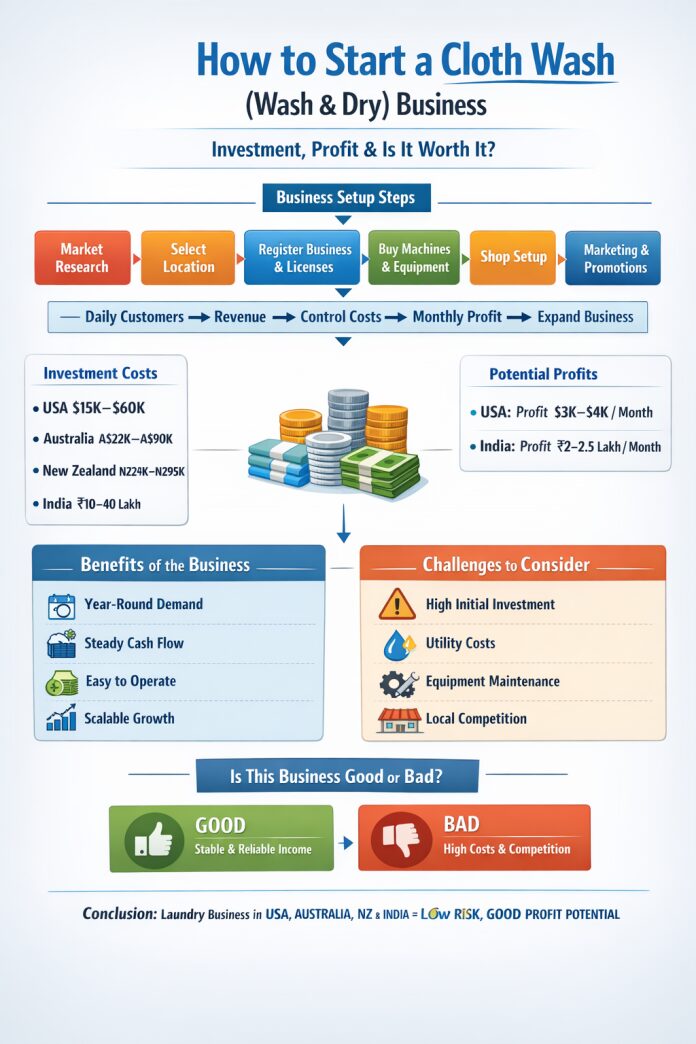
Starting a laundry business requires planning and proper setup. Follow these steps:

First, choose a good location. This is very important. Areas near apartments, hostels, colleges, hospitals, or busy residential neighborhoods work best. High foot traffic means more customers.

Next, register your business and obtain necessary licenses according to your country’s local laws. You may need trade licenses, GST/VAT registration, and basic health or water usage permits.

After that, purchase machines and equipment. You will need commercial washing machines, dryers, ironing tables, detergent supplies, baskets, and counters. Commercial machines are better than household ones because they last longer and handle heavy loads.

Then hire staff if needed. For a small shop, 1–2 workers are enough in the beginning. As business grows, you can increase employees.

Finally, promote your services. Use banners, flyers, local ads, and social media. Offer discounts in the first month to attract customers.

Investment Required

Investment depends on shop size, location, and country. Below is an estimated cost comparison:

Small Setup (5–6 machines)

United States:
US$15,000 – US$25,000

Australia:
AUD 22,000 – AUD 38,000

New Zealand:
NZD 24,000 – NZD 40,000

India:
₹10 – 18 lakh INR

Medium Setup (10–12 machines)

United States:
US$35,000 – US$60,000

Australia:
AUD 50,000 – AUD 90,000

New Zealand:
NZD 55,000 – NZD 95,000

India:
₹25 – 40 lakh INR

This includes rent deposit, machines, renovation, utilities setup, and initial marketing.

Monthly Expenses

Typical monthly costs include:

Rent
Electricity and water
Staff salaries
Detergents and supplies
Maintenance
Marketing

For a small shop, monthly expenses may range:

US: $2,000–$4,000
Australia/NZ: $3,000–$5,000
India: ₹60,000–₹1,20,000

How to Make Profit

Laundry businesses earn through volume. The more loads you wash, the more money you make.

Example:

If you charge $4 per wash and 50 customers come daily:

50 × $4 = $200 per day
$200 × 30 days = $6,000 monthly revenue

After expenses of $3,000, profit = $3,000 monthly

With delivery and ironing services, profits increase even more. Many shops reach 40–60% profit margins after the first year.

In India, if you charge ₹80 per kg and wash 150 kg daily:

150 × 80 = ₹12,000 daily
₹12,000 × 30 = ₹3,60,000 monthly

After expenses of ₹1,20,000, profit = ₹2,40,000

Staff Requirement

Small shop: 1–2 workers
Medium shop: 3–5 workers
Large store with delivery: 6–10 workers

Most tasks are simple: washing, drying, folding, ironing, and customer handling. Training is easy and staff costs are manageable.

Benefits of Investing in This Business

There are several advantages:

First, constant demand. Laundry is not seasonal. Customers need it year-round.

Second, simple operations. No complex skills or technical knowledge required.

Third, steady income. Daily cash flow keeps money moving regularly.

Fourth, scalable growth. You can add more machines or open new branches.

Fifth, low inventory risk. Unlike retail shops, there is no unsold stock.

Sixth, automation options. Coin or card machines reduce staff costs.

Challenges to Consider

No business is perfect. Laundry has some challenges:

High initial investment in machines
Utility bills can be expensive
Machines require maintenance
Competition in crowded areas

However, these issues can be managed with proper planning and good location selection.

Is This Business Good or Bad?

For most small investors, this is a good business. It is stable, low risk, and generates consistent income. It may not make you rich overnight, but it provides reliable monthly profit.

If you want fast, high-risk returns, this may feel slow. But if you prefer steady growth and predictable cash flow, it is an excellent choice.

Tips for Success

Choose a location carefully
Keep machines clean and working
Provide fast service
Offer pickup and delivery
Use membership discounts
Focus on customer satisfaction

Good service brings repeat customers, and repeat customers bring long-term profit.

Final Thoughts

Starting a cloth wash or wash and dry business is a practical and profitable opportunity in today’s market. With the right investment, smart location, and proper management, you can recover your costs within 1–2 years and enjoy steady income afterward.

Whether you are investing in the US, Australia, New Zealand, or India, the laundry business remains one of the most dependable service industries. If you want a stable business with daily earnings and low risk, this is definitely worth considering.

laundry business startup laundromat financing best laundry services commercial washing machines pickup and delivery laundry commercial laundry equipment laundromat business plan industrial washing machine

How to Start a Dog Grooming Business and Daycare

0
How to Start a Dog Grooming Business and Daycare
How to Start a Dog Grooming Business

Dog grooming business & Dog Daycare (Dog Kindy) Business Guide — Costs, Investment, Staff & Profit Plan

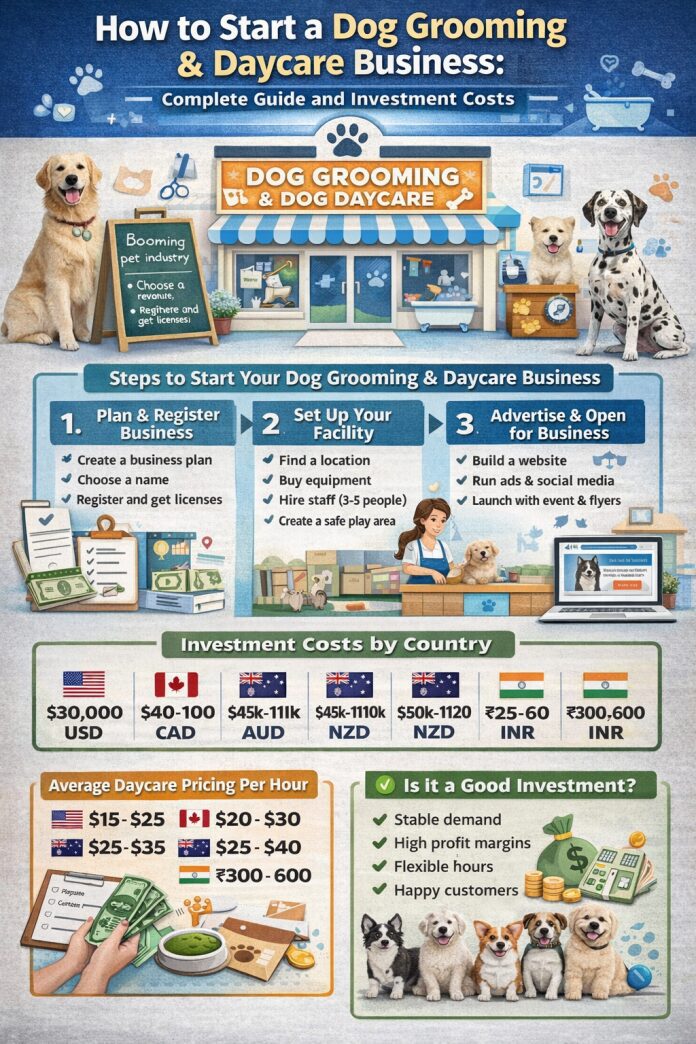
The pet care industry is growing faster than ever. Around the world, dog owners now treat their pets like family members and are willing to spend money on grooming, daycare, and daily care services. This has created a huge opportunity for entrepreneurs How to Start a Dog Grooming Business and Daycare

If you love dogs and want a profitable small business with steady daily income, this can be an excellent choice. The best part? You can start small and scale up as your customer base grows.

In this guide, you’ll learn:

✔ How to start a dog grooming & daycare business
✔ Equipment and setup needed
✔ Staff requirements
✔ Investment costs in multiple countries
✔ Service fees you can charge
✔ Is this business profitable or not

Let’s begin step-by-step.

How to Start a Dog Grooming Business and Daycare

What Is a Dog Grooming & Dog Daycare Business?

Dog Grooming

Includes:
• Bathing
• Hair trimming
• Nail cutting
• Ear cleaning
• Teeth cleaning
• Styling

Dog Daycare (Dog Kindy)

Includes:
• Full-day pet supervision
• Playtime
• Feeding
• Walking
• Socialization
• Safe resting area

Many owners work all day and need someone to take care of their pets. This creates daily recurring income, which makes daycare highly profitable.

Step-by-Step — How to Start This Business

Step 1 – Choose Location

You need:
• 800–1500 sq ft space
• Ground floor preferred
• Easy parking
• Safe fenced area

Urban residential areas work best.

Register Business & License

Get:
• Business registration
• Local council permit
• Animal care license
• Basic pet safety insurance

Rules vary by country, so check local laws.

Step 3 – Buy Equipment

Grooming Equipment:

• Grooming table
• Bathtub
• Dryer
• Clippers
• Scissors
• Towels

Daycare Setup:

• Play pens
• Crates
• Beds
• Toys
• CCTV cameras
• Cleaning supplies

Step 4 – Hire Staff

Dogs need constant supervision.

Recommended Staff Ratio:

• 1 staff for every 8–10 dogs

Example:

10 dogs → 1 caretaker
20 dogs → 2 caretakers
30 dogs → 3–4 caretakers

Also hire:
• 1 groomer
• 1 receptionist (optional)

Startup Investment Cost (Country Wise)

Below is estimated starting cost for small setup (15–20 dogs capacity).

Country Investment
🇺🇸 USA $15,000 – $25,000
🇨🇦 Canada $18,000 – $28,000 CAD
🇦🇺 Australia $20,000 – $30,000 AUD
🇳🇿 New Zealand $18,000 – $27,000 NZD
🇮🇳 India ₹8 – ₹12 lakh

Cost includes:

• Rent deposit
• Equipment
• Furniture
• Licenses
• Staff salary (first month)
• Marketing

You can reduce costs by starting from home or small garage space.

Monthly Running Costs

Typical expenses:

• Staff salary
• Rent
• Utilities
• Cleaning supplies
• Food & treats
• Maintenance

Example (USA small center):

Rent = $1500
Staff = $3000
Supplies = $500
Utilities = $400

Total ≈ $5400/month

How Much Fees to Charge Customers?

Grooming Prices

Service USA Canada Australia NZ India
Basic Bath $30 $35 $40 $35 ₹800
Full Groom $60 $70 $80 $70 ₹1800

Daycare Prices

Type USA Canada Australia NZ India
Half Day $20 $25 $25 $25 ₹400
Full Day $35 $40 $45 $40 ₹800
Monthly $500–700 $600 $650 $600 ₹12k–18k

Example Monthly Income Calculation

Let’s say:

• 15 dogs per day
• $35 per dog
• 25 days/month

Income:
15 × 35 × 25 = $13,125

Expenses ≈ $5,400

Profit ≈ $7,700/month

That’s a strong margin.

Grooming services add extra profit too.

Is This Business a Good Investment?

Advantages

✔ Daily income
✔ High demand
✔ Repeat customers
✔ Low risk
✔ Emotional business (people pay more for pets)
✔ Easy to scale

Challenges

• Cleaning required daily
• Staff training important
• Pet safety responsibility

Overall, this is considered a high-profit, stable small business.

Tips to Grow Faster

✔ Offer monthly packages
✔ Provide pick-up & drop service
✔ Add pet shop products
✔ Sell pet food
✔ Offer training classes
✔ Use social media marketing
✔ Install CCTV for trust

Customers love safe and clean facilities.

Final Thoughts (Dog grooming business)

Dog grooming and dog daycare businesses are one of the best small investments in 2026. Pet ownership is increasing worldwide, and busy owners need professional care. With a moderate startup cost, small team, and good service, you can earn steady monthly income and expand into multiple branches later. If you love dogs and want a business that’s both profitable and enjoyable, this is a smart choice. Start small, keep quality high, and your dog kindy will grow quickly.

Dog grooming business plan Dog daycare startup costs Pet grooming tips Dog daycare services Starting a dog grooming business Dog training services Pet grooming supplies Dog walking services Pet insurance plans Dog grooming business 

Start Your Online Business Quickly: Build a Website in 2 Minutes

0
Build a Website in 2 Minutes
Start Your Online Business Quickly:

Launch Your Online Business and Build a Website in 2 Minute with a Free AI Website

Starting an online business used to take days or weeks. You needed hosting, coding skills, design knowledge, and expensive tools. But in 2026, AI website builders have completely changed the game. Now anyone — even beginners — Build a Website in 2 Minute and start selling products or services within 5 minutes, absolutely free.

In this guide, you will learn:

✔ How AI automatically creates your website
✔ Best free AI website builder tools
✔ Built-in editing features
✔ Free hosting and publishing
✔ Simple coding option for customization
✔ Step-by-step process for launching your business

Let’s begin.

What Is an AI Website Builder?

An AI website builder is a smart tool that automatically designs your website after asking a few simple questions like:

• Business name
• Category (shop, blog, services)
• Keywords
• Color/style preference

Within seconds, AI generates:

• Homepage
• About page
• Services/products section
• Contact form
• Professional images
• SEO-friendly content

No coding or design skills required.

Start Your Online Business Quickly: Build a Website in 2 Minutes

Best Free AI Website Builder Apps (2026)

Here are the most beginner-friendly free tools:

H3: 1. Wix AI (Free Plan)

• AI generates full site automatically
• Drag & drop editor
• Free hosting
• Mobile responsive

H3: 2. Durable AI

• Website created in 30 seconds
• Auto text + images
• Built-in CRM + invoices

H3: 3. WordPress + AI Themes

• 100% free
• Full control
• Plugins for AI content

H3: 4. Framer AI

• Modern design
• One-click publishing
• Fast hosting

All of these allow free editing, deleting, and customizing.

Step-By-Step — Create Website in 2 Minutes

Follow this simple process.

Step 1 – Open AI Website Builder

Visit:
• wix.com
• durable.co
• framer.com

Click “Create Website”

Step 2 – Enter Business Details

Add:
• Business name
• Description
• Services
• Keywords

Example:
“Digital marketing agency, SEO, social media”

Step 3 – AI Generates Website Automatically

Now the magic happens.

AI instantly creates:
• Logo
• Text content
• Images
• Layout
• Buttons
• Contact form

Within 30–60 seconds, your full website is ready.

Step 4 – Edit or Delete Sections

You can:

• Click to edit text
• Replace images
• Add new sections
• Delete unwanted blocks
• Change colors
• Drag & drop elements

Everything works visually like PowerPoint.

No technical knowledge needed.

Step 5 – Publish for Free

Click:

👉 Publish

Your website goes live instantly.

You get a free link like:
yourbusiness.wixsite.com

Now customers can visit your site.

Start Your Business in 5 Minutes (AI website builders)

Once live, you can:

✔ Add products
✔ Accept payments
✔ Add WhatsApp button
✔ Add booking forms
✔ Collect emails
✔ Start selling immediately

Example uses:
• Online shop
• Freelancer portfolio
• Service business
• Restaurant
• Coaching
• Blog

Within 5 minutes you can receive your first customer order.

Advanced Features You Get for Free (Build a Website in 2 Minute)

Modern AI builders include:

H3: Automatic Content

AI writes text automatically.

H3: Built-in Images

AI adds professional stock images.

H3: SEO Optimization

Google-friendly pages created automatically.

H3: Mobile Design

Works perfectly on phone.

H3: Edit/Delete Options

One click to modify anything.

H3: Free Hosting

No server setup required.

H3: Security (SSL)

HTTPS enabled automatically.

Optional Coding (For Advanced Users)

If you want extra control, you can add simple HTML/CSS.

Example:

Add Custom Button

<button style="background:#4CAF50;color:white;padding:12px;border:none;border-radius:6px;">
Buy Now
</button>

Add Contact Form

<form>
<input type="text" placeholder="Name">
<input type="email" placeholder="Email">
<button>Submit</button>
</form>

Most builders have “Custom Code” section where you paste this.

How AI Saves Time Compared to Traditional Method

Old way:
❌ Buy hosting
❌ Install WordPress
❌ Design manually
❌ Write content
❌ Add images
❌ Takes days

AI way:
✅ Auto generate
✅ Auto design
✅ Auto content
✅ Auto publish
✅ Takes 2 minutes

Huge difference.

Pro Tips for Success

To grow faster:

✔ Choose clear business name
✔ Add real contact info
✔ Upload logo
✔ Add WhatsApp chat
✔ Use simple pricing
✔ Share link on social media

This helps you get customers quickly.

Final Thoughts

Today, building a website is no longer difficult or expensive. With AI website builders, anyone can launch a professional online presence in minutes — completely free.

You don’t need coding, design skills, or money. Just enter your business details, let AI generate everything automatically, edit what you like, and publish. In 2 minutes your site is live. In 5 minutes your business starts.

create website free best free website builder how to make a website quick website builder comparison digital marketing strategies free hosting solutions high-converting websites