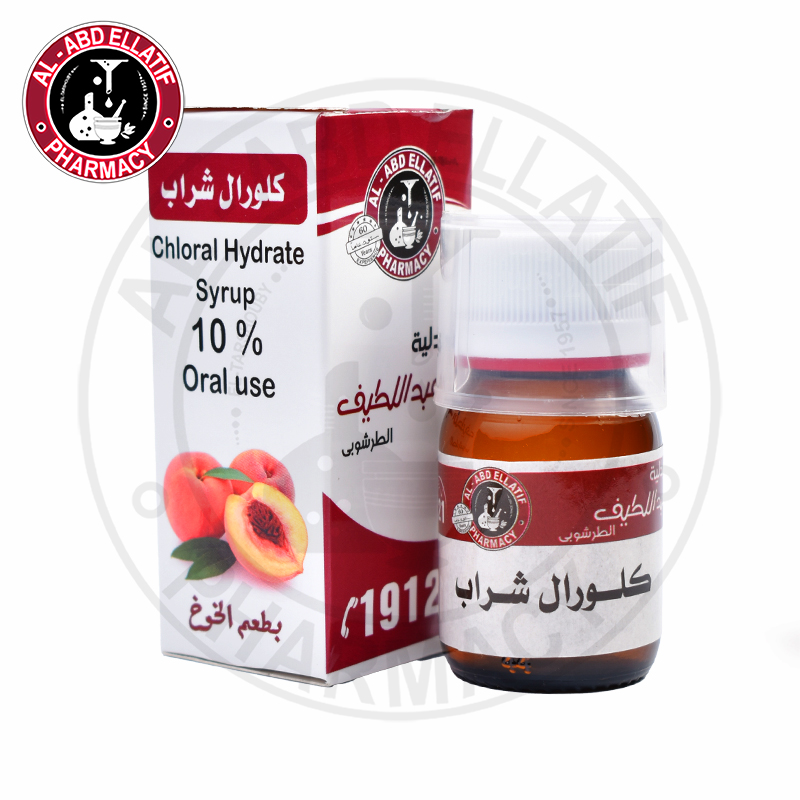
Chloral Hydrate Syrup: Uses, Benefits, Side Effects, History & Safety Guide
What Is Chloral Hydrate Syrup?
Chloral Hydrate Syrup is a sedative and hypnotic medication that has historically been used to induce sleep and calm patients before medical procedures. It acts on the central nervous system (CNS) to produce a calming and sleep-inducing effect.
Due to safety concerns and the availability of newer, safer medicines, its use today is very limited and strictly controlled, especially in children.
📜 History: From First Discovery to Present Day
Chloral Hydrate has one of the oldest histories in modern medicine.
-
1832: Chloral hydrate was first synthesized by chemist Justus von Liebig
-
1869: Discovered to have sedative and hypnotic properties
-
Late 19th – Early 20th century: Widely used as a sleep medicine and sedative
-
Mid-1900s: Commonly prescribed for insomnia, anxiety, and pediatric sedation
-
Late 20th century: Decline in use due to:
-
Risk of dependence
-
Cardiac and respiratory side effects
-
Availability of safer alternatives (benzodiazepines, melatonin, etc.)
-
Today, chloral hydrate is rarely prescribed, mainly used:
-
In specialist medical settings
-
For procedural sedation
-
Under strict medical supervision

🧠 How Chloral Hydrate Works
Chloral Hydrate depresses activity in the central nervous system, slowing brain signals that cause wakefulness. This results in:
-
Sedation
-
Drowsiness
-
Induced sleep
It does not treat the cause of insomnia—only the symptom.
✅ Benefits of Chloral Hydrate Syrup
When used appropriately under medical supervision, chloral hydrate may offer:
1️⃣ Sedation for Medical Procedures
Used in controlled settings to sedate patients (especially when other sedatives are unsuitable).
2️⃣ Short-Term Sleep Induction
Historically used to induce sleep in severe, short-term insomnia.
3️⃣ Calming Effect
Helps reduce agitation or restlessness in clinical situations.
⚠️ Important: Chloral hydrate is not recommended for long-term insomnia treatment.
🔍 Symptoms / Conditions It Was or Is Used For
Chloral Hydrate Syrup has been used for:
-
Severe insomnia (historical use)
-
Pre-procedure sedation
-
Acute agitation (limited clinical use)
-
Sleep induction in controlled environments
🚫 It is not suitable for:
-
Chronic insomnia
-
Anxiety disorders
-
Long-term sleep management
-
Self-medication
⚠️ Side Effects of Chloral Hydrate Syrup
Common Side Effects
-
Drowsiness
-
Dizziness
-
Nausea or vomiting
-
Stomach irritation
-
Headache
Moderate Side Effects
-
Confusion
-
Coordination problems
-
Irritability
-
Skin rash
Serious Side Effects (Medical Emergency)
-
Breathing difficulties
-
Irregular heartbeat
-
Severe hypotension
-
Liver toxicity
-
Dependence or overdose risk
🚫 Alcohol interaction is extremely dangerous and can be fatal.
🛑 Safety Warnings & Precautions
-
❌ Not recommended for routine insomnia treatment
-
❌ High risk of dependency and misuse
-
❌ Not suitable for elderly patients without specialist oversight
-
❌ Avoid in liver, heart, or respiratory disease
-
❌ Should never be used without a prescription
Modern guidelines strongly prefer safer alternatives like melatonin-based medicines for sleep disorders, especially in adults over 50. Chloral hydrate syrup uses and side effects Sedative syrup for medical procedures Sleep medicine risks and side effects Is chloral hydrate safe Old sleeping pills still used in hospitals Chloral fastnews123