
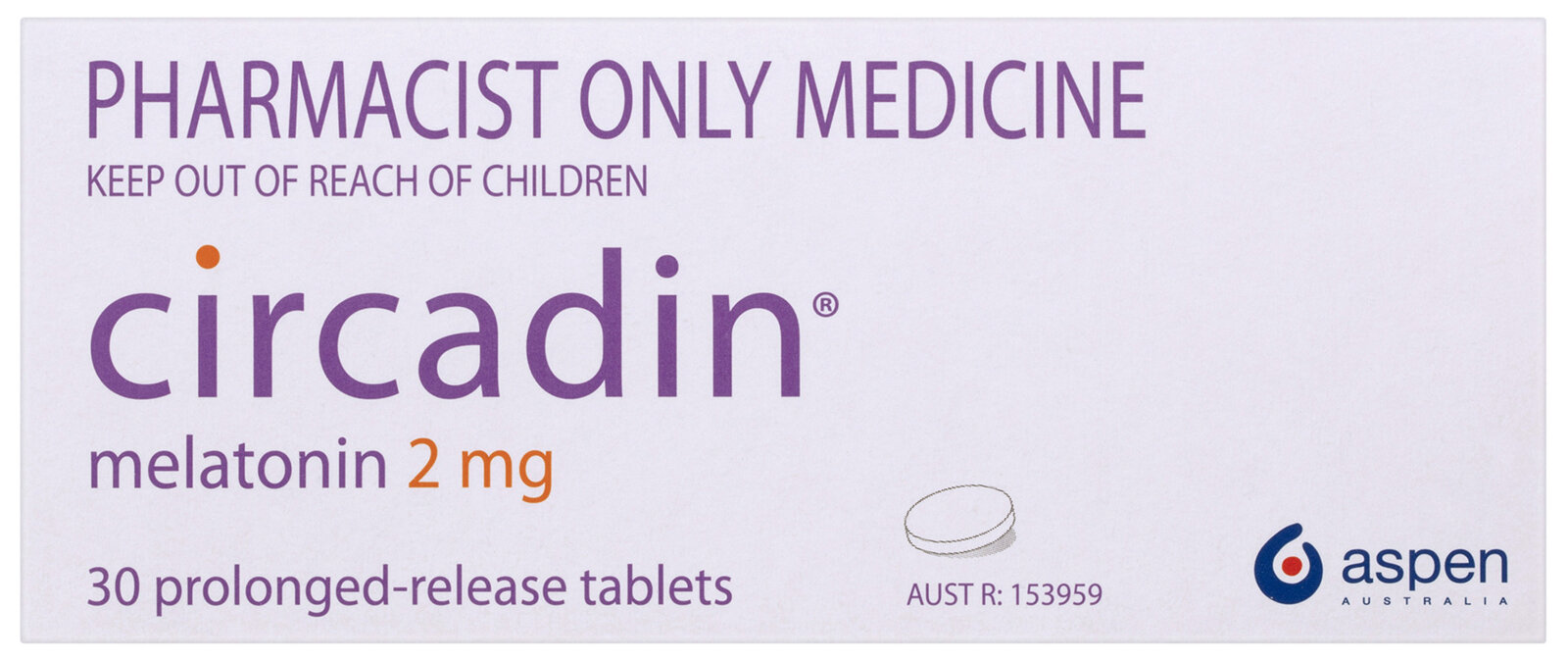
Circadin Tablet (Melatonin): Benefits, Uses, Side Effects, History & Safety
Circadin is a prolonged-release melatonin tablet used primarily to help adults, especially those aged 55 and over, with primary insomnia — difficulty falling asleep or maintaining restorative sleep. Unlike over-the-counter supplements, Circadin is a pharmaceutical-grade medication designed to mimic the body’s natural melatonin release throughout the night.
📜 History: From First Authorization to Today
Circadin’s story begins in the mid-2000s, when researchers and regulatory agencies began exploring melatonin as a therapeutic sleep aid rather than just a supplement. In June 2007, the European Medicines Agency (EMA) granted marketing authorisation for Circadin as a prolonged-release melatonin tablet for treating primary insomnia in patients aged 55 years and older.
Since then, it has been studied in controlled trials showing modest yet meaningful improvements in sleep latency (time to fall asleep), sleep quality, and daytime functioning compared with placebo. Today, Circadin remains one of the few regulated, prescription-grade melatonin medications in many countries, distinct from unregulated dietary supplements.

🌟 What Is Circadin Tablet & How It Works
Circadin contains 2 mg of melatonin in a prolonged-release formulation. Melatonin is a natural hormone produced in the brain by the pineal gland that regulates the circadian rhythm — the body’s internal sleep-wake cycle. As people age, natural melatonin production tends to decline, which can contribute to sleep onset problems.
The tablet’s prolonged-release design slowly releases melatonin over 8 – 10 hours, closely mimicking the body’s own nocturnal melatonin pattern. This helps promote sleep onset and maintenance without abrupt spikes and declines in hormone levels.
😴 Benefits of Circadin Tablet
Circadin is prescribed for the short-term treatment of primary insomnia — insomnia that exists without an identified underlying cause. Key benefits include:
✅ Improves Sleep Quality
Studies show Circadin helps users fall asleep faster and stay asleep longer, with measurable improvements compared with placebo.
✅ Promotes Natural Sleep Rhythm
Prolonged-release melatonin matches the body’s natural secretion, offering a gentler, more physiological sleep aid.
✅ Supports Next-Day Alertness
Unlike many traditional sleeping pills, Circadin’s formulation rarely impairs cognitive or psychomotor performance the next day.
✅ Lower Risk of Dependence
Clinical evidence shows no significant dependence, withdrawal, or abuse potential — a major advantage over benzodiazepine or non-benzodiazepine hypnotics.
✅ Can Improve Daytime Functioning
By improving sleep, many users report better energy, mood, and function during daylight hours.
🩺 How & When It’s Used
-
Dosage: One 2 mg tablet once daily.
-
When to take: 1–2 hours before bedtime, after food.
-
Duration: Up to 13 weeks unless otherwise directed by a physician.
Avoid crushing or chewing the tablet; this disrupts the prolonged-release mechanism.
⚠️ Side Effects of Circadin Tablet
Circadin is generally well tolerated, but some users may experience side effects:
Common / Mild Side Effects
-
Drowsiness or somnolence (especially early in treatment)
-
Headache
-
Dizziness
-
Nausea
-
Mild irritability or mood changes
-
Tiredness or weakness
Less Common / Rare Side Effects
Infrequently, users may experience:
-
Allergic reactions
-
Syncope (fainting)
-
Liver enzyme changes or jaundice
-
Changes in blood pressure
-
Arthralgia (joint pain)
-
Severe dizziness or visual changes
Important: Alcohol can exacerbate drowsiness and other effects, so it’s typically recommended to avoid alcohol while taking Circadin.
🧠 Safety & Precautions
-
Prescription Only: In many countries (e.g., EU), Circadin requires a prescription.
-
Not for Children: Not studied or recommended for anyone under 55 for primary insomnia.
-
Pregnancy & Breastfeeding: Use only under medical advice.
-
Driving & Machines: Melatonin can cause drowsiness — avoid hazardous tasks until you know how it affects you.
-
No Known Withdrawal: Discontinuation generally does not cause withdrawal symptoms. Best medication for insomnia