
How to Start a laundromat (Wash & Dry) Business: Investment, Profit, and Is It Worth It?
The wash and dry business, commonly known as a laundry or laundromat service, is one of the most stable and recession-resistant small businesses today. People always need clean clothes, whether the economy is good or bad. With busy lifestyles, working families, students, and urban living, many customers prefer paying for laundry services instead of washing at home. Because of this constant demand, the laundry business offers steady cash flow and long-term profitability.
If you are looking for a low-risk service business with simple operations, starting a cloth wash or wash-and-dry service can be a smart investment.
Understanding the Business Model
There are three main types of laundry businesses:
-
Self-service laundromat (coin or card machines)
-
Wash and fold service (staff handles washing and drying)
-
Pickup and delivery laundry service
You can start with one model or combine all three for higher profits. Most small entrepreneurs begin with wash and fold, then add delivery services later.

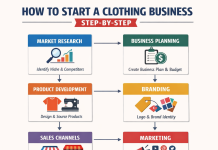
How to Start the Business
Starting a laundry business requires planning and proper setup. Follow these steps:
First, choose a good location. This is very important. Areas near apartments, hostels, colleges, hospitals, or busy residential neighborhoods work best. High foot traffic means more customers.
Next, register your business and obtain necessary licenses according to your country’s local laws. You may need trade licenses, GST/VAT registration, and basic health or water usage permits.
After that, purchase machines and equipment. You will need commercial washing machines, dryers, ironing tables, detergent supplies, baskets, and counters. Commercial machines are better than household ones because they last longer and handle heavy loads.
Then hire staff if needed. For a small shop, 1–2 workers are enough in the beginning. As business grows, you can increase employees.
Finally, promote your services. Use banners, flyers, local ads, and social media. Offer discounts in the first month to attract customers.
Investment Required
Investment depends on shop size, location, and country. Below is an estimated cost comparison:
Small Setup (5–6 machines)
United States:
US$15,000 – US$25,000
Australia:
AUD 22,000 – AUD 38,000
New Zealand:
NZD 24,000 – NZD 40,000
India:
₹10 – 18 lakh INR
Medium Setup (10–12 machines)
United States:
US$35,000 – US$60,000
Australia:
AUD 50,000 – AUD 90,000
New Zealand:
NZD 55,000 – NZD 95,000
India:
₹25 – 40 lakh INR
This includes rent deposit, machines, renovation, utilities setup, and initial marketing.
Monthly Expenses
Typical monthly costs include:
Rent
Electricity and water
Staff salaries
Detergents and supplies
Maintenance
Marketing
For a small shop, monthly expenses may range:
US: $2,000–$4,000
Australia/NZ: $3,000–$5,000
India: ₹60,000–₹1,20,000
How to Make Profit
Laundry businesses earn through volume. The more loads you wash, the more money you make.
Example:
If you charge $4 per wash and 50 customers come daily:
50 × $4 = $200 per day
$200 × 30 days = $6,000 monthly revenue
After expenses of $3,000, profit = $3,000 monthly
With delivery and ironing services, profits increase even more. Many shops reach 40–60% profit margins after the first year.
In India, if you charge ₹80 per kg and wash 150 kg daily:
150 × 80 = ₹12,000 daily
₹12,000 × 30 = ₹3,60,000 monthly
After expenses of ₹1,20,000, profit = ₹2,40,000
Staff Requirement
Small shop: 1–2 workers
Medium shop: 3–5 workers
Large store with delivery: 6–10 workers
Most tasks are simple: washing, drying, folding, ironing, and customer handling. Training is easy and staff costs are manageable.
Benefits of Investing in This Business
There are several advantages:
First, constant demand. Laundry is not seasonal. Customers need it year-round.
Second, simple operations. No complex skills or technical knowledge required.
Third, steady income. Daily cash flow keeps money moving regularly.
Fourth, scalable growth. You can add more machines or open new branches.
Fifth, low inventory risk. Unlike retail shops, there is no unsold stock.
Sixth, automation options. Coin or card machines reduce staff costs.
Challenges to Consider
No business is perfect. Laundry has some challenges:
High initial investment in machines
Utility bills can be expensive
Machines require maintenance
Competition in crowded areas
However, these issues can be managed with proper planning and good location selection.
Is This Business Good or Bad?
For most small investors, this is a good business. It is stable, low risk, and generates consistent income. It may not make you rich overnight, but it provides reliable monthly profit.
If you want fast, high-risk returns, this may feel slow. But if you prefer steady growth and predictable cash flow, it is an excellent choice.
Tips for Success
Choose a location carefully
Keep machines clean and working
Provide fast service
Offer pickup and delivery
Use membership discounts
Focus on customer satisfaction
Good service brings repeat customers, and repeat customers bring long-term profit.
Final Thoughts
Starting a cloth wash or wash and dry business is a practical and profitable opportunity in today’s market. With the right investment, smart location, and proper management, you can recover your costs within 1–2 years and enjoy steady income afterward.
Whether you are investing in the US, Australia, New Zealand, or India, the laundry business remains one of the most dependable service industries. If you want a stable business with daily earnings and low risk, this is definitely worth considering.
laundry business startup laundromat financing best laundry services commercial washing machines pickup and delivery laundry commercial laundry equipment laundromat business plan industrial washing machine