
Ozempic for Weight Loss: What You Need to Know
Ozempic Drug is a prescription injectable medication primarily used for the management of type 2 diabetes mellitus and, in certain cases, for weight management. It has gained global attention due to its effectiveness in controlling blood sugar levels and supporting significant weight loss. The active ingredient in Ozempic is semaglutide, a glucagon-like peptide-1 receptor agonist (GLP-1 RA) that works by mimicking a natural hormone involved in glucose regulation and appetite control. Ozempic is administered once weekly via subcutaneous injection and is approved for adult patients with type 2 diabetes to improve glycemic control alongside diet and exercise. In addition to blood sugar regulation, Ozempic has demonstrated cardiovascular benefits in high-risk patients.
What Is Ozempic Drug and How It Works in the Body
Ozempic is the brand name for the medication containing semaglutide, developed by Novo Nordisk. It belongs to a class of medications known as GLP-1 receptor agonists. GLP-1 is a hormone naturally released in the gut after food intake. It stimulates insulin secretion, suppresses glucagon release, slows gastric emptying, and reduces appetite. By mimicking this hormone, Ozempic helps lower blood glucose levels and reduces hunger signals in the brain. The medication works in a glucose-dependent manner, meaning it primarily stimulates insulin release when blood sugar levels are elevated, reducing the risk of severe hypoglycemia compared to some older diabetes medications.
Ozempic for Type 2 Diabetes Treatment and Blood Sugar Control
Ozempic is approved for adults with type 2 diabetes to improve glycemic control. It is not intended for patients with type 1 diabetes or diabetic ketoacidosis. The drug helps reduce HbA1c levels significantly when used consistently. Clinical studies have shown that patients using Ozempic experience improved fasting blood glucose levels and better postprandial glucose control. It is often prescribed when oral medications such as metformin alone are insufficient. In many cases, it is used in combination with other antidiabetic medications including metformin, SGLT2 inhibitors, or insulin. Due to its once-weekly dosing schedule, patient adherence tends to be higher compared to daily injectable treatments.
Ozempic for Weight Loss and Obesity Management
Although Ozempic is officially approved for type 2 diabetes, it has become widely recognized for its weight loss benefits. The appetite-suppressing effect of semaglutide leads to reduced caloric intake and gradual weight reduction. Many patients report decreased cravings and early satiety. While Ozempic itself is primarily indicated for diabetes, a higher-dose formulation of semaglutide is marketed under the name Wegovy specifically for chronic weight management. Weight loss achieved with semaglutide therapy is often clinically significant and may contribute to improved metabolic health, blood pressure reduction, and better lipid profiles.
Ozempic Dosage, Administration and Injection Guidelines
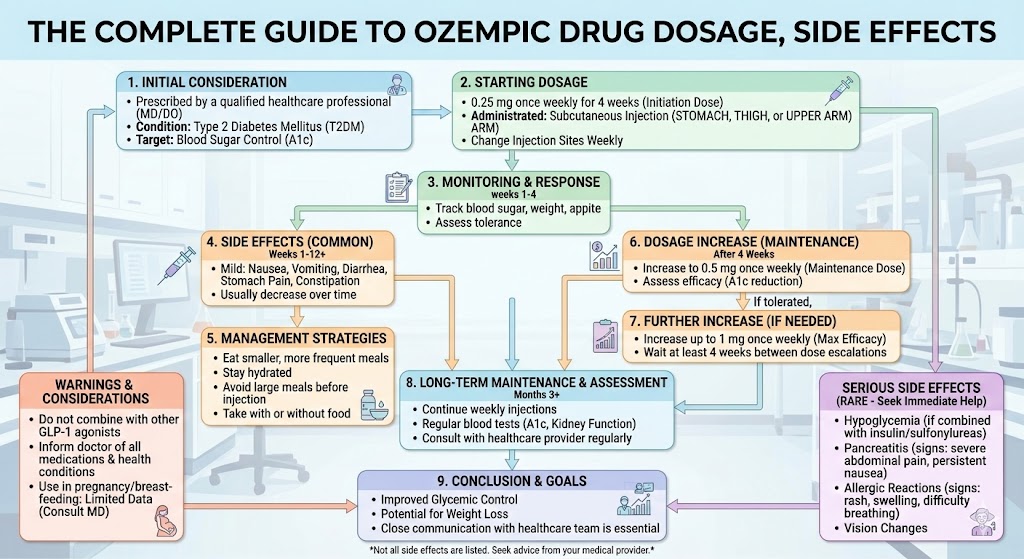
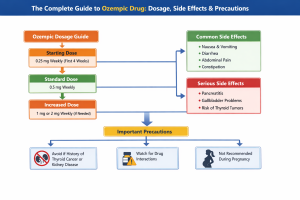
Ozempic is administered once weekly via subcutaneous injection in the abdomen, thigh, or upper arm. The starting dose is typically 0.25 mg once weekly for four weeks to allow the body to adjust. After this initial phase, the dose is usually increased to 0.5 mg weekly. If additional glycemic control is required, the dose may be increased to 1 mg or 2 mg weekly depending on medical guidance. The injection should be given on the same day each week, with or without meals. It is important to rotate injection sites to prevent skin irritation. Patients should receive proper training from healthcare professionals before self-administration.
Ozempic Side Effects and Safety Concerns
Like all medications, Ozempic may cause side effects. The most common side effects are gastrointestinal in nature. These include nausea, vomiting, diarrhea, constipation, and abdominal pain. These symptoms are usually mild to moderate and tend to decrease over time as the body adapts. More serious but less common side effects include pancreatitis, gallbladder disease, kidney injury due to dehydration, and possible thyroid tumors observed in animal studies. Because of this, Ozempic carries a warning regarding the potential risk of medullary thyroid carcinoma. It should not be used in patients with a personal or family history of certain thyroid cancers or Multiple Endocrine Neoplasia syndrome type 2. Immediate medical attention is required if patients experience severe abdominal pain, persistent vomiting, or signs of allergic reactions.
Cardiovascular Benefits of Ozempic in High Risk Patients
One of the significant advantages of Ozempic is its proven cardiovascular benefit. Clinical outcome trials have demonstrated that semaglutide reduces the risk of major adverse cardiovascular events, including heart attack, stroke, and cardiovascular death in patients with type 2 diabetes who have established heart disease. This makes Ozempic not only a glucose-lowering agent but also a cardioprotective therapy in appropriate patients. Physicians often consider this benefit when selecting treatment options for diabetic patients with cardiovascular risk factors.
Who Should Not Use Ozempic Drug
Ozempic is contraindicated in individuals with a history of medullary thyroid carcinoma, Multiple Endocrine Neoplasia syndrome type 2, severe hypersensitivity to semaglutide, or type 1 diabetes. It is not recommended during pregnancy or breastfeeding unless clearly needed and prescribed by a healthcare provider. Caution is advised in patients with a history of pancreatitis or severe gastrointestinal disorders. Elderly patients may require close monitoring due to dehydration risks related to gastrointestinal side effects.
Ozempic Drug Interactions and Medical Precautions
Ozempic may interact with other medications that affect blood glucose levels. When used with insulin or sulfonylureas, there is an increased risk of hypoglycemia, so dose adjustments may be necessary. Because Ozempic slows gastric emptying, it may affect the absorption of oral medications. Patients should inform their healthcare provider about all prescription and over-the-counter medications they are taking. Regular monitoring of blood glucose, kidney function, and overall metabolic health is recommended during therapy.
Ozempic Cost Availability and Prescription Requirements
Ozempic is a prescription-only medication available in prefilled injection pens. Pricing varies depending on country, insurance coverage, and pharmacy. In many regions, insurance plans cover Ozempic for diabetes treatment but may not cover it solely for weight loss unless specific criteria are met. Due to high demand, occasional supply shortages have been reported globally. Patients should obtain Ozempic only from licensed pharmacies to ensure authenticity and safety.
Conclusion Professional Overview of Ozempic drug
Ozempic is a highly effective GLP-1 receptor agonist medication designed for adults with type 2 diabetes to improve blood sugar control and reduce cardiovascular risk. Its active ingredient, semaglutide, supports insulin secretion, appetite regulation, and weight reduction. While it offers significant metabolic benefits, it must be used under medical supervision due to potential side effects and contraindications. With proper dosage, monitoring, and lifestyle modifications, Ozempic can play a vital role in comprehensive diabetes management and metabolic health improvement.
Ozempic weight loss Ozempic side effects Ozempic vs Wegovy Ozempic dosage guidelines Ozempic cardiovascular benefits where to buy Ozempic Ozempic online prescription Ozempic insurance coverage Ozempic weight loss results semaglutide weight loss