
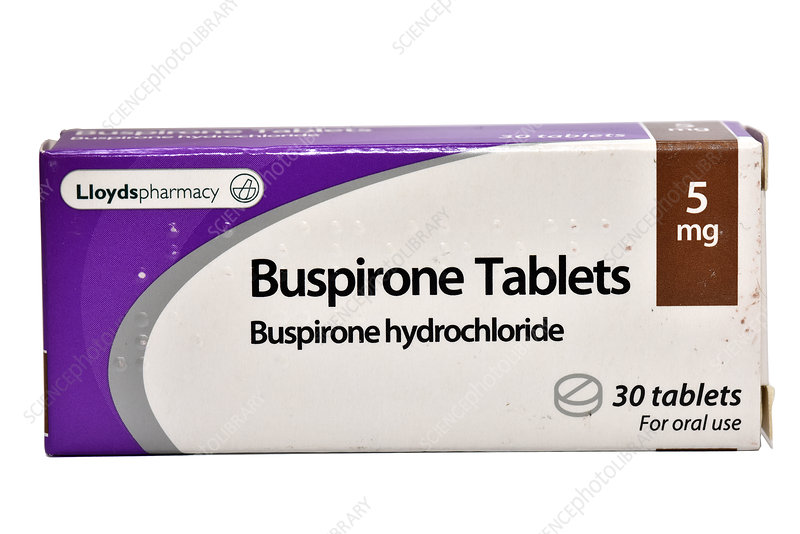
Buspirone Tablet: Uses, Benefits, Symptoms, Side Effects & History
What Is Buspirone Tablet?
Buspirone is a prescription medication used to manage anxiety disorders. Unlike benzodiazepines, it is non-sedating, non-habit forming, and works by modulating neurotransmitters like serotonin and dopamine in the brain.
It is typically prescribed for generalized anxiety disorder (GAD) or short-term anxiety symptoms, especially in patients who cannot tolerate sedating medications.
📜 History: From First Approval to Present
-
1986: Buspirone was first approved for clinical use by the FDA in the United States.
-
Late 1980s–1990s: Gained popularity as a safer alternative to benzodiazepines, particularly due to lower dependency and abuse potential.
-
2000s–Present: Widely used worldwide for chronic anxiety, sometimes in combination with antidepressants.
-
Recognized for its favorable safety profile compared to traditional sedatives and tranquilizers.
Today, buspirone is considered first-line therapy for generalized anxiety disorder in many clinical guidelines.

🧠 How Buspirone Works
Buspirone acts on serotonin (5-HT1A) receptors and also influences dopamine neurotransmission. Its effects include:
-
Reduction in anxiety and nervous tension
-
Mood stabilization
-
Minimal sedation compared to benzodiazepines
Unlike traditional anti-anxiety medications, buspirone does not cause significant drowsiness, dependence, or withdrawal symptoms, making it safer for long-term use.
✅ Benefits of Buspirone Tablet
When used as prescribed, buspirone offers several clinical benefits:
-
Effective Anxiety Relief – Reduces symptoms of generalized anxiety disorder, nervous tension, and worry.
-
Non-Sedating – Patients remain alert and functional during daily activities.
-
Low Risk of Dependence – Unlike benzodiazepines, buspirone has minimal abuse potential.
-
Improves Sleep Quality Indirectly – By reducing anxiety, it can help with mild sleep disturbances.
-
Can Be Used Long-Term – Suitable for chronic anxiety management under supervision.
🔍 Symptoms / Conditions Treated
Buspirone is prescribed for:
-
Generalized anxiety disorder (GAD)
-
Persistent worry and nervous tension
-
Mild agitation associated with anxiety
-
Occasionally as adjunct therapy for depression-related anxiety
It is not suitable for acute panic attacks, severe insomnia, or alcohol withdrawal.
⚠️ Side Effects of Buspirone Tablet
Buspirone is generally well tolerated, but side effects may occur:
Common Side Effects
-
Dizziness
-
Headache
-
Nausea or upset stomach
-
Nervousness or lightheadedness
Less Common / Moderate Side Effects
-
Fatigue
-
Blurred vision
-
Muscle aches
-
Sleep disturbances
Rare / Serious Side Effects
-
Chest pain
-
Severe allergic reactions (rash, swelling, difficulty breathing)
-
Mood changes or worsening anxiety
⚠️ Note: Buspirone has minimal sedative effects and rarely causes dependence, making it safer than many anti-anxiety medications.
🛑 Safety & Precautions
-
Prescription only — never self-medicate.
-
Avoid alcohol and CNS depressants while taking buspirone.
-
May interact with MAO inhibitors or certain antidepressants — consult your doctor.
-
Pregnancy and breastfeeding — only under medical guidance.
-
Start at a low dose and gradually increase to minimize dizziness or nausea.
📝 Quick Summary (5 Points)
-
Buspirone Tablet is a non-sedating anti-anxiety medication approved in 1986.
-
Effective for generalized anxiety disorder and persistent nervous tension.
-
Offers low risk of dependence compared to benzodiazepines.
-
Common side effects include dizziness, headache, and nausea.
-
Safe for long-term management under supervision, but not suitable for acute panic or insomnia.