Why Buspirone Tablet is the Future of Anxiety Treatment
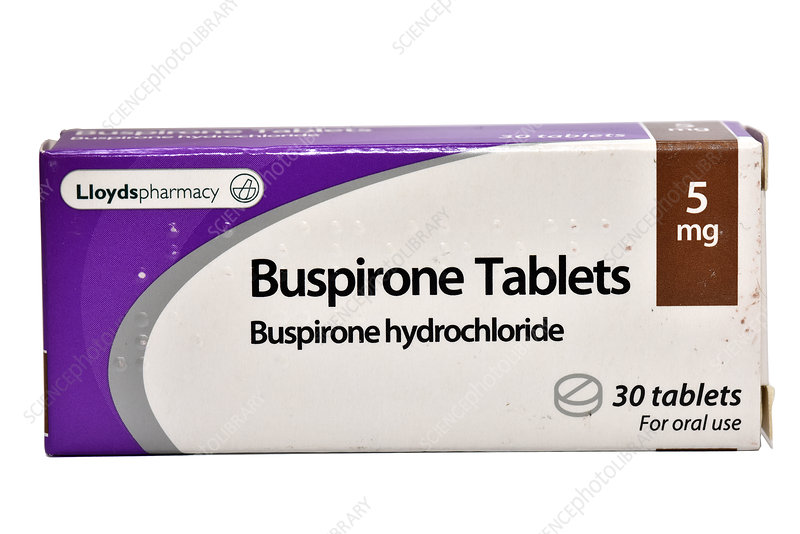
Buspirone Tablet is a prescription medication primarily used to treat anxiety disorders. Unlike traditional sedatives or benzodiazepines, Buspirone works differently in the brain and does not usually cause significant sedation or dependency. It is commonly prescribed for long-term management of anxiety, particularly Generalized Anxiety Disorder (GAD). This article provides a detailed and professional overview of Buspirone tablet uses, benefits, symptoms it treats, side effects, precautions, and safety considerations.
What Is Buspirone?
Buspirone belongs to a class of medicines known as anxiolytics. It is specifically categorized as a serotonin receptor partial agonist. It works mainly on serotonin (5-HT1A) receptors in the brain, helping regulate mood and anxiety levels.
Unlike benzodiazepines such as Diazepam or Alprazolam, Buspirone does not significantly affect GABA receptors. Because of this difference, it generally does not cause strong sedation, muscle relaxation, or dependence.
Uses of Buspirone Tablet
1. Generalized Anxiety Disorder (GAD)
The primary and FDA-approved use of Buspirone is for treating Generalized Anxiety Disorder (GAD). Patients with GAD experience excessive, persistent worry that interferes with daily life. Buspirone helps reduce constant nervousness, irritability, and tension.
2. Chronic Anxiety Management
Buspirone is suitable for long-term anxiety treatment. It is often prescribed when patients need ongoing anxiety control without the risks associated with benzodiazepines.
3. Adjunct Treatment in Depression
In some cases, doctors may prescribe Buspirone along with antidepressants such as Fluoxetine or Sertraline. It may help enhance the anti-anxiety effect and reduce certain side effects caused by SSRIs.
4. Off-Label Uses
Physicians may sometimes prescribe Buspirone for:
- Social anxiety disorder
- Irritability and agitation
- Anxiety related to medical conditions
- Sexual side effects caused by antidepressants
Off-label uses depend on clinical judgment and patient history.
Symptoms Treated by Buspirone
Buspirone helps manage various anxiety-related symptoms, including:
- Persistent worry and fear
- Restlessness
- Muscle tension
- Difficulty concentrating
- Irritability
- Sleep disturbance related to anxiety
- Racing thoughts
It is important to understand that Buspirone does not provide immediate relief like sedatives. Its effects develop gradually over time.
How Buspirone Works
Buspirone acts primarily on serotonin (5-HT1A) receptors as a partial agonist. By modulating serotonin activity, it helps stabilize mood and reduce excessive anxiety signals in the brain.
Unlike benzodiazepines:
- It does not produce strong sedative effects.
- It does not significantly impair cognitive function.
- It has a lower risk of dependency or withdrawal symptoms.
However, it may take 2 to 4 weeks to show noticeable improvement.
Benefits of Buspirone Tablet
1. Non-Sedating Effect
Most patients do not experience heavy drowsiness, making it suitable for daytime use.
2. Low Risk of Dependence
Unlike benzodiazepines, Buspirone does not usually cause addiction or withdrawal syndrome.
3. Suitable for Long-Term Use
It can be used safely for extended periods under medical supervision.
4. Minimal Cognitive Impairment
Patients can generally continue work, driving, and daily tasks without major impairment.
5. Lower Abuse Potential
It is not classified as a controlled substance in many countries due to its low abuse risk.
Dosage and Administration
Buspirone is available in tablet form, commonly in strengths such as 5 mg, 10 mg, and 15 mg.
General dosing guidelines:
- Initial dose: Usually 5 mg two to three times daily.
- Maintenance dose: Adjusted gradually by a healthcare provider.
- Maximum daily dose: Typically up to 60 mg per day (as directed by doctor).
Important instructions:
- Take consistently with or without food.
- Do not suddenly stop without medical advice.
- Avoid alcohol while taking Buspirone.
Always follow the prescribing doctor’s instructions strictly.
Side Effects of Buspirone
Like all medications, Buspirone may cause side effects. Most are mild and temporary.
Common Side Effects
- Dizziness
- Headache
- Nausea
- Nervousness
- Lightheadedness
- Dry mouth
- Fatigue
These symptoms often reduce as the body adjusts to the medication.
Moderate Side Effects
- Blurred vision
- Insomnia
- Mild gastrointestinal discomfort
- Increased heart rate
- Confusion (rare)
If these persist, medical consultation is recommended.
Serious Side Effects (Rare)
Although uncommon, seek immediate medical attention if experiencing:
- Severe allergic reaction (rash, swelling, difficulty breathing)
- Chest pain
- Severe mood changes
- Serotonin syndrome (especially when combined with antidepressants)
Symptoms of Serotonin Syndrome May Include:
- High fever
- Rapid heart rate
- Sweating
- Tremors
- Muscle stiffness
- Agitation
Serotonin syndrome is rare but requires urgent medical treatment.
Precautions and Warnings
1. Liver or Kidney Disease
Patients with liver or kidney impairment should use Buspirone cautiously, as dose adjustments may be required.
2. Pregnancy and Breastfeeding
Consult a healthcare provider before use during pregnancy or breastfeeding.
3. Drug Interactions
Buspirone may interact with:
- MAO inhibitors
- SSRIs
- Antifungal medications
- Certain antibiotics
- Grapefruit juice (may increase drug levels)
Always inform your doctor about all medications and supplements you are taking.
4. Alcohol Use
Alcohol may increase dizziness and impair judgment. Avoid alcohol consumption during treatment.
Who Should Avoid Buspirone?
Buspirone may not be suitable for:
- Patients currently taking MAO inhibitors
- Individuals with severe liver disease
- Patients with known allergy to Buspirone
A complete medical evaluation is necessary before starting treatment.
Important Safety Information
- Buspirone does not work immediately; patience is required.
- Do not double doses if one is missed.
- Regular follow-up appointments help monitor effectiveness and side effects.
- Do not use for acute panic attacks unless advised by a physician.
Conclusion
Buspirone tablet is a well-established and effective medication for the treatment of anxiety disorders, particularly Generalized Anxiety Disorder. It offers several advantages over traditional sedatives, including a lower risk of dependency, minimal sedation, and suitability for long-term use. While side effects may occur, they are generally mild and manageable.
As with any prescription medication, Buspirone should be taken strictly under medical supervision. Proper dosage, regular monitoring, and awareness of potential side effects ensure safe and effective treatment. Patients experiencing persistent anxiety symptoms should consult a qualified healthcare professional to determine whether Buspirone is the right therapeutic option for them.
If you would like, I can also provide a simplified patient-friendly version or a comparison between Buspirone and benzodiazepines for deeper understanding.
Buspirone madicine Side Effects Buspirone pill Side Effects Buspirone price Buspirone Tablet in hindi Buspirone Tablet Benefits and Side Effects Buspirone uses Buspirone side effects GAD treatment options anxiety medication without sedation Buspirone vs benzodiazepines long-term anxiety management Buspirone alternatives