Wire History and Founder तार, is a fundamental component in electrical and communication systems. Yeh ek thin, flexible strand of metal hai, jo electricity ya signals conduct karta hai. From powering homes to enabling telegraphs and modern internet, wires ne technology ko revolutionize kiya. Is article mein, we’ll cover the founder, first wire, history, aur year-by-year development with Hindi aur English mix, in around 800 words.
Origins of Wires: Shuruaat Kahan Se?
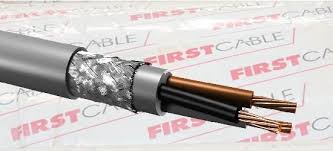
Wires ka concept goes back thousands of years. Ancient civilizations used metal strips for jewelry aur tools, but wires as we know them—thin, drawn metal for conducting electricity—emerged later. The word “wire” comes from Old English wir, meaning metal drawn into a thread. Modern wires, usually made of copper or aluminum, are insulated for safety aur used in everything from power lines to telecom.
Wire History and Founder
Wires don’t have a single “founder” kyunki they evolved over centuries. However, Thomas Doolittle, an American engineer, is credited with developing the first practical copper wire for telegraphy in 1877. His process of drawing copper into thin, strong wires made telegraph and telephone systems scalable. Earlier, in the 1830s, Samuel Morse and others used basic wires for telegraphy, but these were crude. Doolittle’s innovation was a game-changer for modern wiring.
First Wire
The first true electrical wire, used for telegraphy, appeared in the 1830s during Samuel Morse’s telegraph experiments. These were simple copper or iron wires, often uninsulated, used to carry electrical signals over long distances. By 1837, Morse’s telegraph system used wires to send messages, marking the first practical use. These wires were thick, prone to breaking, aur lacked proper insulation, lekin they laid the foundation for modern communication.
History and Year-by-Year Development
Ancient Times: Early Wires
3000 BCE: Egyptians used drawn gold wires for jewelry, one of the earliest forms of wire-making.
500 BCE: Greeks and Romans used wire-like metal strips for decorative purposes, not for electricity.
1800-1830s: Birth of Electrical Wires
1800: Alessandro Volta invented the battery, showing electricity could flow through metal wires, sparking interest in conductive wires.
1831: Michael Faraday discovered electromagnetic induction, proving wires could carry current for practical use.
1837: Samuel Morse and Alfred Vail used copper wires in their telegraph system, the first major application of electrical wires.
1840s-1860s: Telegraph aur Expansion
1844: Morse’s telegraph line between Washington, D.C., and Baltimore used insulated copper wires, connecting cities.
1861: The first transcontinental telegraph in the U.S. used iron and copper wires, stretching across thousands of miles.
1870s: Copper Wires aur Telephony
1876: Alexander Graham Bell invented the telephone, using copper wires to transmit voice signals.
1877: Thomas Doolittle developed a process to draw hard copper into thin, flexible wires, making telegraph and telephone networks more efficient.
1880s: Electricity aur Insulation
1882: Thomas Edison opened the first commercial power plant in London, using copper wires to distribute electricity. Insulation with rubber or cloth became common.
1889: Insulated wires were standardized for safety, reducing shocks aur fires in homes and industries.
1900s-1920s: Mass Production
1900s: Aluminum wires were introduced as a cheaper alternative to copper, used in power lines.
1920s: PVC insulation was developed, making wires safer aur more durable. India mein, small-scale wire manufacturing started in cities like Kolkata.
1930s-1950s: Industrial Growth
1935: Coaxial cables, wires with a central conductor surrounded by a shield, were invented for better signal transmission in radios and TVs.
1950s: India’s wire industry grew with companies like Finolex (founded 1958) producing cables for power and telecom. Copper wires were key in India’s electrification.
1960s-1980s: Telecom aur Fiber Optics
1966: Charles Kao proposed fiber optic wires, using glass to transmit light signals, revolutionizing telecom.
1970s: Fiber optic wires were commercially used, offering faster data transmission than copper.
1980s: India mein, BSNL and private companies expanded telephone networks using copper wires, while fiber optics started emerging.
1990s: Internet aur Modern Wires
1990s: Ethernet cables (like Cat5) became standard for internet connectivity, using twisted pair copper wires.
1998: India’s internet boom increased demand for wiring infrastructure. Companies like Havells (founded 1983) grew in the wire market.
2000s: Smart Wires aur Efficiency
2000s: Smart wires with sensors were developed for monitoring power grids. India’s Smart Grid Mission (launched 2015) used these for efficient electricity distribution.
2008: Superconducting wires, which conduct electricity with zero resistance, were tested for high-efficiency power lines.
2010s: Fiber Optics aur Renewable Energy
2010s: Fiber optic wires dominated telecom, with India’s Jio (launched 2016) using them for 4G networks.
2015: India’s wire industry grew with renewable energy projects, using high-capacity wires for solar and wind farms.
2020s: 5G aur Beyond
2020: 5G networks increased demand for fiber optic and coaxial wires for faster data transfer.
2024: India’s BharatNet project expanded rural internet using fiber optic wires, connecting millions of villages.
2025: Wires remain critical in AI data centers, 5G towers, aur electric vehicle charging stations. India’s wire market is valued at over ₹60,000 crore, driven by brands like Polycab and RR Kabel.
Wire Ka Cultural Impact
In India, wires, ya तार, are everywhere—bijli ke taar in homes, telephone ke taar in old PCO booths, aur fiber optic taar for internet. In villages, loose wires hanging from poles are a common sight, symbolizing India’s electrification journey. Bollywood films show heroes cutting wires to defuse bombs or villains tapping telephone ke taar for spying. Wires also appear in festivals, like patang ke taar during Makar Sankranti, though that’s a different kind of wire.
India mein, wire manufacturing is a huge industry. Companies like Finolex, Havells, aur Polycab produce everything from house wiring to industrial cables. Sivakasi makes specialized wires for firecrackers, blending tradition with technology. Wires are also a safety concern—khule taar cause accidents, lekin campaigns like Ujjwala Yojana ensure safer wiring in homes.
Wi-Fi and SIM in Wires
Wires don’t directly use Wi-Fi or SIM cards, lekin they support these technologies:
Wi-Fi: Ethernet cables (copper twisted pair wires) connect routers to modems for Wi-Fi networks. Fiber optic wires carry high-speed internet to Wi-Fi towers.
SIM Cards: Mobile networks rely on fiber optic and copper wires for backhaul, connecting cell towers to the internet. SIM cards in phones communicate via these wired networks.
Conclusion
Wires, from Samuel Morse’s 1830s telegraph to modern fiber optics, have powered the world’s progress. Thomas Doolittle’s copper wires made communication scalable, while India’s wire industry supports everything from bijli to 5G. Wires are the unsung heroes behind internet, power, aur telecom. In India, they’re a symbol of development—gaaon se lekar sheher tak. As technology evolves, wires will keep connecting our world, quietly but powerfully.
Wire History and Founder Wire History in hindi Wire Founder in hindi Wire kaise bane Wire in hindi Wire kisne banayi taar history
1st Pager Founder and History, yaani बिपर or ब्लिपर, ek wireless device hai jo short messages ya alerts receive karta hai. It was a game-changer in communication, especially jab mobile phones nahi the. Aaj bhi, pagers are used in hospitals, emergency services, aur some industries for their reliability. Is article mein, we’ll cover the founder, first pager, year-by-year development, aur Wi-Fi/SIM card integration, with Hindi aur English mix, in around 800 words.
Origins of Pagers: Shuruaat Kahan Se Hui?
Pagers ka concept started in the early 20th century. It’s a small device that beeps, vibrates, ya displays messages. Unlike mobile phones, pagers are mostly one-way, lekin some two-way models bhi aaye later. The word “pager” comes from “page,” meaning to call someone. Ye device professionals, doctors, aur even drug dealers ke liye popular tha in the 1990s, especially in India, jahan it was a status symbol.
1st Pager Founder and History
The pager ka credit Al Gross ko jata hai, an American inventor and wireless communication pioneer. In 1949, Gross patented a device that worked like a pager, designed for doctors to receive alerts without disturbing patients. His invention was first used by New York City’s Jewish Hospital in 1950. Lekin, the earliest pager-like system was developed in 1921 by a Boston patrolman and an engineering student for the Boston Police Department, fitted in patrol cars by 1928. Al Gross’s work, however, made pagers portable aur practical for widespread use. Later, Motorola became the dominant player, capturing 80% of the market by the 1990s.
First Pager
The first true pager, as we know it, was Al Gross’s 1949 device, a portable radio receiver that beeped or displayed messages. It was bulky compared to modern standards, lekin revolutionary tha for its time. By 1950, it was adopted in hospitals, marking the first commercial use. These early pagers were tone-only, meaning they only beeped to alert users to call a specific number.
Year-by-Year Development of Pagers
1921-1928: Pehla Pager System
1921-1927: A Boston patrolman aur engineering student developed a one-way radio system for police cars, considered the first pager-like system.
1928: This system was installed in patrol cars, allowing officers to receive alerts.
1949-1950: Modern Pager Ka Birth
1949: Al Gross patented the first portable pager, designed for medical professionals.
1950: New York’s Jewish Hospital adopted Gross’s pager, making it the first commercial use.
1960s: Tone aur Voice Pagers
1960s: Motorola introduced tone-only pagers (beepers) that alerted users with a sound. Some models added voice pagers, allowing short audio messages. Ye hospital staff ke liye kaafi useful tha.
1970s: Sophisticated Devices
1970s: Motorola launched single-tone, multi-tone, aur voice-enabled pagers. These were widely used in healthcare for critical communication. Pagers became smaller aur battery life improved.
1980s: Wide-Area Paging aur Popularity
1980: Wide-area paging networks were introduced, allowing messages to be sent across cities or countries via radio waves. This made pagers a status symbol, especially in India.
1980s: Pagers gained popularity in India, with companies like Motorola, Mobilink, aur BPL leading the market. They were seen as a sign of “business success.”
1990s: Peak of Pagers
1994: Pagers became popular for personal use, especially for texting short messages. Alphanumeric pagers could display numbers aur text, making them versatile.
1995: India mein pager services launched officially. Motorola held 80% market share, with 200,000 subscribers by year-end. Pagers were offered in Hindi aur Gujarati to reach small businesses.
1998: India’s pager market peaked with nearly 2 million subscribers, lekin mobile phones started taking over.
2000s: Decline aur Niche Use
2001: Motorola stopped producing pagers as mobile phones became dominant. Pagers shifted to healthcare aur emergency services due to their reliability.
2002: India’s pager subscribers dropped to less than 500,000 due to mobile phone competition. Two-way pagers couldn’t save the market.
2008: The U.S. paging industry generated $2.1 billion, down from $6.2 billion in 2003, showing a global decline.
2013: Canada had 161,500 pager users paying $18.5 million for services. India was close to a “total wipe-out” of the paging industry.
2010s: Healthcare aur Critical Comms
2015: Telus ended Canada’s pager service, but Bell and Rogers continued. In the UK, the NHS used 10% of the world’s pagers (130,000) at a cost of £6.6 million annually.
2017: Pager, Inc. (founded by Gaspard de Dreuzy, Philip Eytan, aur Oscar Salazar in 2014) launched a virtual care app, not a traditional pager, showing the evolution of the term “pager.”
2019: The UK planned to phase out NHS pagers by 2021, lekin many hospitals still relied on them for secure communication.
2020s: Pagers in Modern Times
2021: Around 2 million pagers were still in use globally, mainly in healthcare, emergency services, aur birdwatching communities for reliable alerts.
2024: Pagers gained attention after a Hezbollah attack in Lebanon, where Israel detonated pagers, showing their continued use in secure communications.
2025: Pagers remain niche but critical in hospitals, search and rescue, aur disaster response due to their reliability over cellular networks.
Wi-Fi and SIM in Pagers
Traditional pagers use VHF radio signals (138-466 MHz), not Wi-Fi or SIM cards, for long-range, reliable communication. Lekin, modern paging systems have evolved:
Wi-Fi: Some on-site paging systems, like those by Visiplex, use Wi-Fi for in-building communication, especially in hospitals. These systems are hardwired to the infrastructure, offering secure mass messaging without relying on cellular networks. Wi-Fi pagers are limited to specific locations, unlike radio-based pagers.
SIM Cards: Pagers don’t typically use SIM cards, as they rely on radio frequencies. However, some two-way pagers in the 1990s used proprietary networks that mimicked SIM-like functionality for sending replies. Modern devices like Pager, Inc.’s app use SIM cards in smartphones for virtual care, but these aren’t traditional pagers.
Pagers’ strength is their simplicity—no need for Wi-Fi or SIM in most cases, making them reliable in remote areas or during disasters when cellular networks fail.
Pager Ka Cultural Impact
In India, pagers were a status symbol in the 1990s, especially for businessmen. Motorola aur BPL ke pagers were seen on belts or in pockets, showing “main busy hoon.” They were used for quick alerts, like “call me back” ya numeric codes for pre-set messages. Hindi aur regional language displays made them accessible to small businesses in Gujarat aur other states. Pagers also featured in pop culture, with Bollywood films showing heroes getting urgent “beeps.” Lekin, jab mobile phones aaye, pagers ka craze khatam ho gaya. Today, hospitals mein pagers are still used kyunki they’re secure, reliable, aur battery life is amazing—sometimes lasting weeks
Conclusion
Pagers, from Al Gross’s 1949 invention to India’s 1990s boom, transformed communication. Despite mobile phones taking over, pagers remain critical in healthcare aur emergencies for their reliability. Wi-Fi-based systems have modernized on-site paging, lekin traditional radio pagers don’t need SIM cards, making them unique. In India, pagers were once a desi status symbol, aur their legacy lives on in hospitals aur niche communities. Will they survive the smartphone era? Only time will tell.
1st Pager Founder and History 1st Pager Founder 1st Pager History Pager History in hindi Pager Founder in hindi Pager kaise bana Pager in hindi
Matchbox History and Founder, yaani दियासलाई की डिब्बी, is a small but revolutionary invention that brought fire into our pockets. It changed how we light fires, cook, aur even celebrate with fireworks. Let’s dive into the history, founder, first matchbox, aur year-by-year development with a mix of Hindi and English words, covering 800 words as requested.
Origins of Matches: Ancient Se Aur Modern Tak
The concept of matches goes way back, almost 5,000 years. Ancient Egyptians used pine wood sticks dipped in sulfur to create a primitive match-like tool. Lekin, these were not self-igniting; they needed an existing flame. Fast forward to the 19th century, jab modern matches ka invention hua. The matchbox, as we know it, is a small box ya डिब्बी holding wooden sticks with a chemical-coated head that ignites with friction. The word “match” comes from Old French mèche, meaning candle wick.
Founder of the Modern Match (Matchbox History and Founder)
The first successful friction match was invented by John Walker, an English chemist from Stockton-on-Tees, in 1826. He wasn’t trying to create a matchbox initially; he was experimenting with chemicals. Ek din, while mixing chemicals, a stick dipped in his mixture accidentally caught fire when rubbed against the hearth. Walker realized iska potential and developed wooden splints coated with sulfur, tipped with a mixture of antimony sulfide, potassium chlorate, aur gum. These were the first friction matches, called “friction lights.” He started selling them in 1827, but his matches were dangerous, often causing small explosions or bad smells.
Walker didn’t patent his invention, so others improved on it. In 1836, Hungarian student János Irinyi created a safer, noiseless match by replacing potassium chlorate with lead dioxide, making matches smoother aur less explosive. Then, in 1844, Gustaf Erik Pasch from Sweden introduced the safety match, which only ignited on a special striking surface with red phosphorus. This made matches safer aur widely used.
First Matchbox: The Birth of a Brand
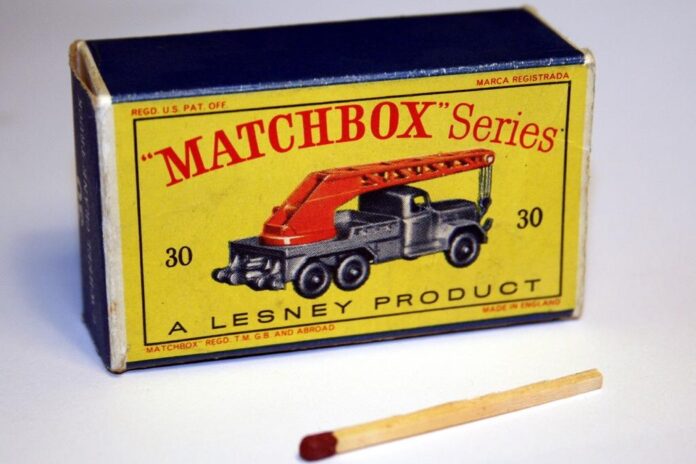
The term “matchbox” became famous with the Matchbox toy brand, started by Lesney Products in 1953 in England. Lekin, if we talk about fire matches, the first matchbox as a container was developed around the 1830s, when matches started being sold in small wooden or cardboard boxes. These boxes were simple, often just labeled with the manufacturer’s name aur production date. The modern matchbox, with colorful designs aur branding, evolved later in the 20th century, especially in India.
In India, matchboxes were first imported from Japan and Sweden before 1910, when local production began in Kolkata with skills learned from Japanese immigrants. P. Ayya Nadar aur A. Shanmughan Nadar were pioneers who took matchbox manufacturing to Sivakasi, Tamil Nadu, in 1927, making it India’s matchbox hub.
क्याआपको पता है कि रसोई में इस्तेमाल होने वाली छोटी-सी माचिस का इतिहास 195 साल पुराना है? भारत में माचिस के निर्माण की शुरुआत साल 1895 से हुई थी. इसकी पहली फैक्ट्री अहमदाबाद में और फिर कलकत्ता (अब कोलकाता) में खुली थी. लेकिन, दुनिया में सबसे पहले माचिस का आविष्कार ब्रिटेन में 31 दिसंबर 1827 में हुआ था. इसके आविष्कार थे ब्रिटेन के वैज्ञानिक जॉन वॉकर. साल 1827 में उन्होंने माचिस बनाया था. लेकिन उनके द्वारा बनाई गयी माचिस ज्यादा सुरक्षित नहीं थी.
क्योंकि उनके द्वारा बनाई गई माचिस की तीली ऐसी बनी थी, जो किसी भी खुरदरी जगह पर रगड़ने से जल जाती थी. दरअसल, माचिस की तीली पर सबसे पहले एंटिमनी सल्फाइड, पोटासियम क्लोरेट और स्टार्च का इस्तेमाल किया गया था. रगड़ने के लिए रेगमाल लिया गया. नतीजा ये हुआ कि माचिस की तीली जैसे ही रेगमाल पर रगड़ी जाती, छोटा विस्फोट होता जो इस्तेमाल के लिहाज़ से सुरक्षित नहीं थी. इसके बाद, माचिस को लेकर कई प्रयोग किए गए.
1832 में बदला माचिस का रूप साल 1832 में फ्रांस में एंटिमनी सल्फाइड की जगह माचिस की तीली पर फॉस्फोरस का इस्तेमाल किया गया. फॉस्फोरस अत्यंत ही ज्वलनशील रासायनिक तत्व होता है. पहले सफेद फॉस्फोरस का इस्तेमाल किया गया, जिससे गंध की समस्या का तो समाधान हो गया था. लेकिन जलते वक्त निकले वाला धुआं भी काफी विषैला होता था. इससे बाद में सफेद फॉस्फोरस के इस्तेमाल पर बैन लगा दिया था. सफ़ेद फोस्फोरस मनुष्य के स्वास्थ्य के लिए बड़ा ही हानिकारक होता है.
सफेद फास्फोरस के गंभीर प्रभावों के कारण कई देशों ने इसके उपयोग पर प्रतिबंध लगा दिया. फ़िनलैंड ने 1872 में सफेद फास्फोरस के उपयोग पर प्रतिबंध लगा दिया, उसके बाद 1874 में डेनमार्क, 1897 में फ्रांस, 1898 में स्विट्जरलैंड और 1901 में नीदरलैंड में. एक समझौता, बर्न कन्वेंशन, सितंबर 1906 में बर्न, स्विट्जरलैंड में हुआ था जिसने माचिस में सफेद फास्फोरस के उपयोग पर प्रतिबंध लगा दिया. ‘सेफ्टी मैच’ का आविष्कार माचिस के निर्माण में सफेद फास्फोरस के खतरों के कारण “स्वच्छ” या “सुरक्षा मैच” का विकास हुआ.
फास्फोरस का यौगिक रूप ‘फॉस्फोरस सेस्क्यूसल्फाइड’ का माचिस बनाने में इस्तेमाल किया जाने लगा, जो मनुष्य के लिए हानिरहित था. ब्रिटिश कंपनी अलब्राइट एंड विल्सन व्यावसायिक रूप से ‘फॉस्फोरस सेस्क्यूसल्फाइड’ माचीस का उत्पादन करने वाली पहली कंपनी थी. कंपनी ने 1899 में ‘फॉस्फोरस सेस्क्यूसल्फाइड’ की व्यावसायिक मात्रा बनाने का एक सुरक्षित साधन विकसित किया और इसे बेचना शुरू किया. स्वीडन के जोहान एडवर्ड और उनके भाई कार्ल फ्रैंस लुंडस्ट्रॉम ने 1847 के आसपास जोंकोपिंग, स्वीडन में बड़े पैमाने पर मैच उद्योग शुरू किया.
प्रयोग करने योग्य 1858 में उनकी कंपनी ने लगभग 12 मिलियन माचिस की डिब्बियों का उत्पादन किया. किन चीजों से बनती है माचीस बता दें, इतनी छोटी से माचिस की डब्बी को बनाने में 14 कच्चे माल की जरूरत होती है. जिसमें लाल फास्फोरस, मोम, कागज, स्प्लिंट्स, पोटेशियम क्लोरेट और सल्फर का मुख्य रूप से इस्तेमाल होता है इसके अलावा माचिस की डिब्बी दो तरह के बोर्ड से बनते हैं. बाहरी बॉक्स बोर्ड और भीतरी बॉक्स बोर्ड. वहीँ, माचिस की तीली कई तरह की लकड़ियों से बनाई जाती हैं. सबसे अच्छी माचिस की तीली अफ्रीकन ब्लैकवुड से बनती है.
पाप्लर नाम के पेड़ की लकड़ी भी माचिस की तीली बनाने के लिए काफी अच्छी मानी जाती है. भारत में माचीस कब आया भारत में माचिस स्वीडन और जापान से निर्यात किए जाते थे. साल 1910 के आसपास एक जापानी परिवार कलकत्ता (अब कोलकाता) में आकर बस गया और उन्होंने देश में माचिस का निर्माण शुरू किया. देखते ही देखते, माचिस बनाने की और भी कई छोटी-छोटी फैक्ट्री लगने लगीं. साल 1921 तक गुजरात इस्लाम फैक्ट्री अहमदाबाद के अपवाद के साथ भारत में माचिस निर्माण की कोई कंपनी सफल नहीं हो सकी थी.
लेकिन 1927 में तमिलनाडु के शिवाकाशी शहर में माचिस की फैक्ट्री लगने के बाद धीरे-धीरे भारत में माचिस निर्माण का ज्यादा काम दक्षिण भारत में बढ़ने लगा. आज भी शिवकाशी को माचिस उत्पादन के लिए जाना जाता है. आज भी भारत में सबसे बड़ा माचिस उद्योग तमिलनाडु में है. मुख्यतौर पर तमिलानाडु के शिवकाशी, विरुधुनगर, गुडियाथम और तिरुनेलवेली मैन्युफैक्चरिंग सेंटर हैं. भारत में फिलहाल माचिस की कई कंपनिया हैं, अधिकतर फैक्टरीज में अब भी हाथों से काम होता है. जबकि कुछ फैक्ट्रियों में मशीनों की मदद से माचिस का निर्माण होता है.
Year-by-Year Development of Matches and Matchboxes
1805: Pehla Step
Jean Chancel in Paris created an early self-igniting match using potassium chlorate, sulfur, aur sulfuric acid. These were expensive aur dangerous, so not popular.
1826-1827: Friction Match Ka Invention
John Walker invented the friction match in 1826 aur started selling them in 1827. His matches were wooden sticks tipped with chemicals that ignited when rubbed. Ye thi pehli matchbox ki shuruaat, as matches needed a container.
1836: Safer Matches
János Irinyi introduced noiseless matches using lead dioxide, reducing the explosive nature of earlier matches. Ye ek bada improvement tha.
1844: Safety Match
Gustaf Erik Pasch developed the safety match, which only ignited on a special surface with red phosphorus. This made matches safer for daily use.
1855: Sweden’s Monopoly
Sweden became a global leader in safety match production, with companies like Jönköpings & Vulcans Tändsticksfabriks AB dominating the market.
1870s: Matchbox Evolution
Matchboxes became common for packaging wooden matches. Early boxes were plain, lekin soon, colorful labels with images of gods, animals, or local themes appeared, especially in India.
1910: India Mein Matchbox
Matchbox production started in Kolkata with Japanese influence. Ye tha India ka pehla major step towards self-reliance in match manufacturing.
1927: Sivakasi Ka Rise
Nadar brothers shifted matchbox production to Sivakasi, Tamil Nadu, due to dry weather aur cheap labor. Sivakasi became India’s matchbox capital, producing colorful labels with themes like Bharat Mata, Gandhi, aur film stars.
1953: Matchbox Toy Brand
Lesney Products, founded by Leslie Smith, Rodney Smith, aur Jack Odell, launched the Matchbox toy brand. Jack Odell created a tiny road roller that fit in a matchbox for his daughter’s school, starting the iconic 1-75 miniature car series. Ye alag matchbox hai, lekin isne “matchbox” ko ek global name banaya.
1956-1960s: Matchbox Toys Expand
Lesney introduced Models of Yesteryear (1956), Accessories Packs (1956), aur Major Packs (1957). Matchbox toys became a global hit, exporting 70 million vehicles by 1960.
1970s-1980s: India’s Matchbox Art
Indian matchboxes became a canvas for art, featuring Raja Ravi Varma paintings, political slogans, aur movie stars. Labels reflected Swadeshi movement, Indian flag, aur cultural themes.
1997: Mattel Acquires Matchbox
Mattel bought the Matchbox toy brand, merging it with Hot Wheels. Matchbox toys continued to evolve with new series like Superfast aur Collectors Series.
2000s: Matchbox Industry Challenges
In India, matchbox prices doubled in 2007 (from 50 paise to ₹1) aur again in 2021 due to rising raw material costs. The industry faced competition from lighters aur declining exports.
2025: Matchbox Today
Matchbox toys remain popular under Mattel, with 125 models in the 2025 Mainline series. In India, matchbox production is declining due to lighters aur mechanization, but phillumeny (matchbox label collecting) keeps the art alive.
Matchbox Ka Cultural Impact
Matchbox, yaani दियासलाई की डिब्बी, is not just a tool for fire; it’s a cultural icon in India. Labels pe Hindu gods, film stars jaise Umrajan, aur national heroes like Netaji Subhas Chandra Bose dikhte hain. Ye boxes advertise everything—bidis, soaps, to Swadeshi slogans. In rural India, jab lighters ka access nahi hota, matchbox hi king hai. Collectors, called phillumenists, preserve these tiny artworks, reflecting India’s history aur art.
Sivakasi’s matchboxes feature vibrant designs, from Eiffel Tower to Victoria Memorial, showing modernity aur tradition ka mix. Women, especially elderly, dominate the workforce, pasting labels aur filling boxes by hand. Lekin, low wages aur mechanization se industry shrink ho raha hai.
Conclusion
The matchbox, from John Walker’s 1826 invention to India’s colorful Sivakasi labels, has lit up lives aur culture. Its journey from dangerous friction matches to safe, artistic boxes shows human ingenuity. In India, matchbox art captures desi spirit—mythology, cinema, aur politics—making it a museum in your pocket. Lekin, with lighters taking over, will this chhoti si डिब्बी survive, or become a nostalgic memory?
Matchbox History Matchbox in hindi Matchbox fastnews123 machis kaise bani machis kis ne bnayi machis fastnews123
H&M Franchise Cost in India 2025 अगर आप फैशन रिटेल बिज़नेस में उतरना चाहते हैं, तो आपने कभी ना कभी H&M का नाम ज़रूर सुना होगा। यह एक ग्लोबली मशहूर स्वीडिश ब्रांड है जो युवाओं से लेकर बच्चों तक सभी के लिए फैशन प्रोवाइड करता है। भारत में भी इसकी काफी डिमांड है, और इसलिए बहुत से लोग जानना चाहते हैं और इसे कैसे शुरू किया जा सकता है।
H&M क्या है?
H&M (Hennes & Mauritz) की शुरुआत 1947 में स्वीडन में Erling Persson ने की थी। शुरुआत में यह केवल महिलाओं के लिए कपड़े बेचता था, लेकिन अब यह पुरुषों, बच्चों और युवाओं के लिए भी कलेक्शन पेश करता है।
दुनियाभर में 3800+ स्टोर्स
60+ देशों में मौजूद
किफायती और ट्रेंडी फैशन आइटम्स
एसेसरीज़, कॉस्मेटिक्स, और होम प्रोडक्ट्स भी
क्या H&M फ्रेंचाइज़ देता है?
सवाल उठता है: क्या भारत में H&M फ्रेंचाइज़ मिल सकती है? तो इसका जवाब थोड़ा जटिल है।
H&M ज़्यादातर कंपनी-ओन्ड स्टोर्स के माध्यम से बिज़नेस करता है।
कुछ खास मार्केट्स में ही H&M फ्रेंचाइज़ पार्टनरशिप करता है।
भारत में अभी तक ज्यादातर स्टोर्स कंपनी द्वारा सीधे चलाए जा रहे हैं।
अगर आप फ्रेंचाइज़ लेना चाहते हैं, तो कंपनी को बिज़नेस प्रपोज़ल के साथ अप्रोच करना होता है।
H&M फ्रेंचाइज़ की लागत (H&M Franchise Cost in India)
मान लीजिए कंपनी ने आपको फ्रेंचाइज़ देने का निर्णय लिया, तो कितनी लागत लगेगी?
कंपनी को संपर्क करें – info@hm.com पर ईमेल करें या हेड ऑफिस से संपर्क करें।
मीटिंग और प्रजेंटेशन – कंपनी प्रतिनिधियों से बातचीत और अपॉइंटमेंट।
लाइसेंसिंग और अप्रूवल – कानूनी दस्तावेज़ और एग्रीमेंट की प्रक्रिया।
स्टोर सेटअप और लॉन्चिंग – निर्माण, इन्वेंटरी और स्टाफ हायरिंग।
ज़रूरी दस्तावेज़ (Documents Required)
फ्रेंचाइज़ एग्रीमेंट कॉपी
आधार कार्ड और फोटो (प्रोप्राइटर का)
पैन कार्ड और GST सर्टिफिकेट
TAN कॉपी और एड्रेस प्रूफ
शॉप/यूनिट का लीज एग्रीमेंट या NOC
दुकान का ले-आउट प्लान
ट्रेड लाइसेंस और फायर NOC
H&M स्टोर के लिए इंफ्रास्ट्रक्चर आवश्यकताएं
ज़रूरी सुविधा
विवरण
यूनिट एरिया
1000 स्क्वायर फीट
स्टाफ संख्या
6 से 15 कर्मचारी
कंप्यूटर और इंटरनेट
अनिवार्य
ट्रायल रूम
अनिवार्य
AC और CCTV
अनिवार्य
डिलीवरी सर्विस
वैकल्पिक
भारत में H&M बनाम Zara: कौन आगे?
FY19-20 में H&M ने aggressive expansion और competitive pricing के चलते Zara को राजस्व में पीछे छोड़ दिया। हालांकि globally Zara की brand value अधिक है, पर भारत में H&M तेजी से आगे बढ़ रहा है। आप Zara की फ्रेंचाइज़ डिटेल्स जानना चाहते हैं?Zara Franchise Cost in Indiaपढ़ें।
प्रॉफिट और रेवेन्यू मॉडल (H&M Franchise Profits)
रेवेन्यू शेयरिंग: 96% फ्रेंचाइज़ी को, 4% H&M को
ROI टाइमफ्रेम: 1 से 2 साल में ब्रेक ईवन पॉइंट
अनुमानित सेल्स: ₹1 करोड़+ प्रति वर्ष (लोकेशन पर निर्भर)
और कौन-कौन सी फ्रेंचाइज़ हैं विकल्प के तौर पर?
अगर आप और ब्रांड्स एक्सप्लोर करना चाहते हैं तो ये आर्टिकल्स जरूर पढ़ें:
Q1. क्या H&M इंडिया में फ्रेंचाइज़ देता है? H&M आमतौर पर फ्रेंचाइज़ मॉडल नहीं अपनाता। यह ज़्यादातर देशों में खुद के द्वारा अपने स्टोर ऑपरेट करता है। हालांकि कुछ चुनिंदा देशों में कंपनी पार्टनरशिप के ज़रिए बिज़नेस करती है।
Q2. भारत में H&M फ्रेंचाइज़ लेने के लिए कितना निवेश चाहिए? अगर कभी फ्रेंचाइज़ का मौका मिले, तो अनुमानित निवेश ₹50 लाख से ₹1 करोड़ तक हो सकता है। इसमें इंटीरियर, स्टॉक, ट्रेनिंग, और सेटअप की लागत शामिल है।
Q3. क्या मैं H&M का सप्लायर बन सकता/सकती हूँ? हाँ, H&M के लिए सप्लायर बनने के लिए आपको H&M की ऑफिशियल वेबसाइट पर जाकर सप्लायर रजिस्ट्रेशन फॉर्म भरना होगा। अगर कंपनी को आपकी डिटेल्स पसंद आती हैं, तो वे आपसे संपर्क करेंगे।
Q4. क्या H&M में करियर ऑप्शन हैं फ्रेंचाइज़ के अलावा? हाँ, H&M में कई करियर ऑप्शन हैं जैसे– फैशन डिजाइनर, सेल्स असिस्टेंट, स्टोर मैनेजर, मर्चेंडाइज़र आदि। इसके लिए आप कंपनी की करियर वेबसाइट चेक कर सकते हैं।
Q5. भारत में कौन बड़ा ब्रांड है– H&M या Zara? हाल के सालों में H&M ने aggressive expansion और competitive pricing के चलते Zara को पीछे छोड़ते हुए भारत में टॉप फैशन ब्रांड की पोजिशन बना ली है।
Q6. क्या H&M फ्रेंचाइज़ मॉडल प्रॉफिटेबल हो सकता है? अगर कंपनी भारत में फ्रेंचाइज़ मॉडल अपनाती है, तो यह बहुत प्रॉफिटेबल हो सकता है क्योंकि ब्रांड की पहचान मजबूत है और यंग जनरेशन में इसकी डिमांड बहुत ज्यादा है।
Q7. क्या कोई ऑफिशियल तरीका है जिससे H&M से फ्रेंचाइज़ के लिए संपर्क किया जा सके? अगर आप बिज़नेस प्रपोज़ल भेजना चाहते हैं तो आप H&M के कॉर्पोरेट ऑफिस को ऑफिशियल मेल कर सकते हैं। आपके प्रोजेक्ट आइडिया और प्लान पर अगर कंपनी को भरोसा होता है, तो वे संपर्क कर सकते हैं।
निष्कर्ष: क्या H&M फ्रेंचाइज़ एक सही विकल्प है?
अगर कंपनी से संपर्क बन जाए और आपका बिज़नेस प्लान मजबूत हो, तो H&M एक लॉन्ग टर्म ब्रांड पार्टनरशिप का बेहतरीन मौका हो सकता है। हालांकि H&M Franchise Cost in India कम नहीं है, पर इसकी ब्रांड वैल्यू, ग्लोबल अपील और स्टोर एक्सपीरियंस इसे एक वर्थवाइल इन्वेस्टमेंट बनाते हैं।
Top 23 Content Writing Ideas in Hindi अगर आप भी ये जानना चाहते हैं और आपकी लिखने में थोड़ी सी भी रुचि है, तो ये तरीका आपके लिए परफेक्ट है! इंटरनेट के इस दौर में Content Writing एक ऐसा स्किल है जिससे आप घर बैठे बिना निवेश के अच्छी कमाई कर सकते हैं। ब्लॉग, वेबसाइट, सोशल मीडिया या स्क्रिप्ट—जैसे-जैसे आपकी राइटिंग में निखार आता है, वैसे-वैसे कमाई भी बढ़ती जाती है। बस मोबाइल और इंटरनेट से शुरुआत करें और अपनी लिखावट को इनकम में बदल दें!
Content Writing क्यों है एक Smart Career Option?
घर बैठे फ्रीलांसिंग में करियर बनाने का सबसे आसान रास्ता
हर बिज़नेस को कंटेंट की ज़रूरत है – डिमांड कभी खत्म नहीं होती
आप भारत के साथ-साथ विदेशी क्लाइंट्स से भी डॉलर में कमा सकते हैं
फ्रीलांसर, ब्लॉगर, सोशल मीडिया राइटर – विकल्प कई हैं
आजकल Fiverr, Upwork जैसे प्लेटफॉर्म्स पर लाखों राइटर्स सिर्फ आर्टिकल, ब्लॉग, वेब पेज या प्रोडक्ट डिस्क्रिप्शन लिखकर महीने के ₹30,000 से ₹1 लाख तक कमा रहे हैं। यह जानने के लिए आप हमारा डिटेल्ड गाइड ज़रूर पढ़ें।
क्या आप Beginner हैं?
अगर आप अभी शुरुआत कर रहे हैं, तो परेशान होने की ज़रूरत नहीं है। आज कई ऐसे आसान तरीके हैं जहां आप बिना अनुभव के भी कंटेंट राइटिंग में काम पा सकते हैं। उदाहरण के लिए:
RozDhan App जैसे प्लेटफॉर्म जहां आप छोटे आर्टिकल लिखकर पॉइंट्स और कैश कमा सकते हैं। RozDhan App Se Paise Kaise Kamaye इस पर हमारा गाइड पढ़ें।
कुछ ऐप्स आपको वीडियो देखने, Ads Dekh Kar Paise Kamane या Spin Karke Paise Kamane जैसे आसान कामों के बदले पैसे देते हैं। इन्हें आप साथ में इस्तेमाल कर सकते हैं जब तक आपको कंटेंट राइटिंग के रेगुलर क्लाइंट्स मिलने लगें।
महिलाओं और छात्रों के लिए सुनहरा मौका
अगर आप एक गृहिणी हैं जो फ्री टाइम में कुछ extra कमाना चाहती हैं, या एक स्टूडेंट हैं जिसे पढ़ाई के साथ कुछ part-time करना है – तो कंटेंट राइटिंग एक बेहतरीन विकल्प है। इसमें न तो आपको घर से बाहर जाना होता है और न ही कोई बंधी-बंधाई टाइमिंग होती है।
अगर आप चाहते हैं कि कमाई जल्दी शुरू हो जाए, तो आप जैसे अन्य work-from-home तरीकों को भी साथ में एक्सप्लोर कर सकते हैं।
अगली सेक्शन में हम बताएंगे: Content Writing से पैसे कमाने के 23 आसान और भरोसेमंद तरीके – जैसे Blogging, Copywriting, SEO Writing, Freelance Platforms, AI Tools के साथ लिखना, और बहुत कुछ।
क्या आप इसके लिए तैयार हैं? आइए शुरू करते हैं…
Content Writing की बुनियादी जानकारी
Content Writing के प्रकार:
1. ब्लॉग पोस्ट: विभिन्न विषयों पर सूचनात्मक और मनोरंजक लेख।
2. आर्टिकल्स: गहन जानकारी वाले लंबे लेख।
3. SEO कंटेंट: सर्च इंजन के लिए अनुकूलित सामग्री।
4. सोशल मीडिया पोस्ट: छोटे, आकर्षक संदेश जो शेयर करने योग्य हों।
5. प्रोडक्ट डिस्क्रिप्शन: उत्पादों के बारे में आकर्षक और सूचनात्मक विवरण।
Content Writing के लिए आवश्यक कौशल:
1. लेखन कौशल: स्पष्ट, प्रभावी और त्रुटि-मुक्त लेखन की क्षमता।
2. रिसर्च कौशल: विभिन्न विषयों पर शोध करने और सटीक जानकारी एकत्र करने की योग्यता।
3. SEO ज्ञान: खोज इंजन अनुकूलन की बुनियादी समझ।
4. समय प्रबंधन: डेडलाइन को पूरा करने और कई प्रोजेक्ट्स को संभालने की क्षमता।
अगर आप सोच रहे हैं कि content writing se paise kaise kamaye, तो इन कौशलों को विकसित करना आपके लिए पहला कदम हो सकता है। अगले भाग में हम इस करियर में शुरुआत करने के तरीकों पर चर्चा करेंगे।
Content Writing Se Paise Kaise Kamaye – 23 प्रभावी तरीके
1. Freelancing
फ्रीलांसिंग का एक लोकप्रिय तरीका है। Upwork, Freelancer, और Fiverr जैसी साइट्स पर अपना प्रोफाइल बनाएं। इन प्लेटफॉर्म्स पर विभिन्न कंटेंट राइटिंग प्रोजेक्ट्स के लिए बिड करें। शुरुआत में कम दरों पर काम करके अनुभव और अच्छे रिव्यू हासिल करें। जैसे-जैसे आपका पोर्टफोलियो बढ़ेगा, आप अपनी दरें बढ़ा सकते हैं और नियमित ग्राहक बना सकते हैं।
प्रोजेक्ट के आधार पर या प्रति शब्द के हिसाब से चार्ज करें। उदाहरण के लिए, शुरुआत में आप 0.5 रुपये से 1 रुपये प्रति शब्द चार्ज कर सकते हैं और अनुभव बढ़ने के साथ इसे 2-5 रुपये प्रति शब्द तक बढ़ा सकते हैं।
2. Blogging
ब्लॉगिंग कंटेंट राइटिंग से पैसे कमाने का एक शानदार तरीका है। अपनी रुचि या विशेषज्ञता के क्षेत्र में एक ब्लॉग शुरू करें। WordPress या Blogger जैसे प्लेटफॉर्म्स का उपयोग करके आसानी से एक ब्लॉग बना सकते हैं।
नियमित रूप से गुणवत्तापूर्ण कंटेंट पोस्ट करें, जो आपके पाठकों के लिए मूल्यवान हो। अपने दर्शकों का निर्माण करें और उन्हें बनाए रखें। SEO तकनीकों का उपयोग करके अपनी साइट की रैंकिंग बढ़ाएं।
Google AdSense लगाकर विज्ञापनों से कमाई करें। स्पॉन्सर्ड पोस्ट लिखें। एफिलिएट मार्केटिंग करें जहां आप दूसरों के प्रोडक्ट्स को प्रमोट करके कमीशन कमा सकते हैं। अपने खुद के डिजिटल प्रोडक्ट्स जैसे ई-बुक्स या कोर्सेस बेचें।
3. Course बनाना
अपने कंटेंट राइटिंग कौशल और अनुभव के आधार पर एक ऑनलाइन कोर्स तैयार करें। कोर्स में व्यावहारिक टिप्स, लेखन तकनीक, SEO की बुनियादी बातें, और रियल-वर्ल्ड असाइनमेंट शामिल करें। विडियो लेक्चर्स, PDF गाइड्स, और इंटरेक्टिव क्विज़ बनाएं। कोर्स को Udemy या Teachable जैसे प्लेटफॉर्म पर अपलोड करें या अपनी वेबसाइट पर बेचें।
कोर्स की बिक्री से एकमुश्त आय प्राप्त करें। उदाहरण के लिए, एक बेसिक कोर्स 999 रुपये में और एक एडवांस्ड कोर्स 2999 रुपये में बेच सकते हैं। या फिर मासिक सदस्यता मॉडल अपनाएं जहां छात्र 299 रुपये प्रति माह का भुगतान करके कोर्स एक्सेस कर सकते हैं।
4. Quora
Quora एक ज्ञान-साझाकरण प्लेटफॉर्म है जहां आप अपने कंटेंट राइटिंग कौशल का उपयोग करके पैसे कमा सकते हैं। Quora पर एक सक्रिय उपयोगकर्ता बनें। अपने क्षेत्र से संबंधित प्रश्नों के विस्तृत और सहायक उत्तर दें। अपने उत्तरों में अपने अनुभव और ज्ञान का प्रदर्शन करें। Quora Partner Program में शामिल हों, जो आपको आपके उत्तरों पर मिलने वाले व्यूज और इंगेजमेंट के आधार पर भुगतान करता है।
Quora Partner Program से प्राप्त होने वाले पैसों से। यह प्रोग्राम आपके उत्तरों की गुणवत्ता और लोकप्रियता के आधार पर भुगतान करता है। अच्छी तरह से लिखे गए और ज्यादा व्यूज वाले उत्तरों से आप प्रति माह कुछ हजार रुपये तक कमा सकते हैं।
5. Social Media Content
सोशल मीडिया प्लेटफॉर्म्स के लिए आकर्षक और शेयर करने योग्य कंटेंट लिखें। Facebook, Instagram, Twitter, और LinkedIn जैसे प्लेटफॉर्म्स पर अपनी खुद की उपस्थिति बनाएं। प्रत्येक प्लेटफॉर्म की विशिष्ट शैली और फॉर्मेट के अनुसार कंटेंट तैयार करें। ब्रांड्स के साथ सहयोग करें और उनके लिए सोशल मीडिया पोस्ट लिखें। हैशटैग रणनीतियों और ट्रेंडिंग टॉपिक्स का उपयोग करके अपने कंटेंट की पहुंच बढ़ाएं।
ब्रांड कोलैबोरेशन से पैसे कमाएं, जहां आप ब्रांड्स के लिए स्पॉन्सर्ड पोस्ट लिखते हैं। छोटे ब्रांड्स के लिए सोशल मीडिया मैनेजमेंट सेवाएं प्रदान करें, जिसमें नियमित पोस्टिंग और इंटरैक्शन शामिल है। इसके लिए आप मासिक पैकेज के रूप में 5000-20000 रुपये तक चार्ज कर सकते हैं, जो क्लाइंट की आवश्यकताओं पर निर्भर करता है।
6. Content Writing Agency
Content writing se paise kaise kamaye का एक प्रभावशाली तरीका है अपनी खुद की कंटेंट राइटिंग एजेंसी शुरू करना। शुरुआत में, आप एक फ्रीलांसर के रूप में काम कर सकते हैं और धीरे-धीरे अपनी टीम बना सकते हैं।
विभिन्न उद्योगों के क्लाइंट्स के लिए ब्लॉग पोस्ट, वेबसाइट कंटेंट, सोशल मीडिया पोस्ट, और अन्य प्रकार के लेखन प्रदान करें। अपनी एजेंसी के लिए एक पेशेवर वेबसाइट बनाएं और LinkedIn जैसे प्लेटफॉर्म्स पर नेटवर्किंग करें।
क्लाइंट्स को प्रोजेक्ट के आधार पर या मासिक रिटेनर पर चार्ज करें। उदाहरण के लिए, एक बड़े प्रोजेक्ट के लिए 50,000 रुपये से 2 लाख रुपये तक, या मासिक रिटेनर के रूप में 20,000 रुपये से 1 लाख रुपये तक चार्ज कर सकते हैं, जो कार्य के प्रकार और मात्रा पर निर्भर करता है।
7. Guest Posting
अगर आप सोचते हैं online paise kaise kamaye, तो गेस्ट पोस्टिंग एक शानदार तरीका है अपने लेखन कौशल को प्रदर्शित करने और नए पाठकों तक पहुंचने का। अपने क्षेत्र के प्रसिद्ध ब्लॉग्स और वेबसाइट्स की पहचान करें और उन्हें गेस्ट पोस्ट के प्रस्ताव भेजें।
अपने लेख में “ghar baithe paise kaise kamaye” जैसे विषयों पर भी लिख सकते हैं, जो पाठकों के लिए मूल्यवान हों। गुणवत्तापूर्ण और मौलिक कंटेंट लिखें जो होस्ट साइट के पाठकों के लिए उपयोगी हो।
कुछ साइट्स गेस्ट पोस्ट के लिए सीधे भुगतान करती हैं, जो 1000 रुपये से 10,000 रुपये तक हो सकता है, आर्टिकल की गुणवत्ता और साइट की प्रसिद्धि के आधार पर। अन्य मामलों में, आप अपने ब्लॉग या सेवाओं के लिए बैकलिंक और एक्सपोजर प्राप्त कर सकते हैं, जो अप्रत्यक्ष रूप से आपकी आय बढ़ा सकता है।
8. Niche साइट
एक विशिष्ट विषय या नीश पर केंद्रित वेबसाइट बनाना एक लंबी अवधि की रणनीति है जो “content writing se paise kaise kamaye” में मदद कर सकती है।
चुनें एक ऐसा विषय जिसमें आपकी रुचि हो और जिसकी मांग भी हो, जैसे स्वास्थ्य और फिटनेस, वित्त, या तकनीक। नियमित रूप से गहन और मूल्यवान कंटेंट पोस्ट करें। SEO तकनीकों का उपयोग करके अपनी साइट की खोज इंजन रैंकिंग बढ़ाएं।
Google AdSense से विज्ञापन आय, एफिलिएट मार्केटिंग से कमीशन, और स्पॉन्सर्ड कंटेंट से पैसे कमाएं। एक अच्छी तरह से स्थापित नीश साइट महीने में 50,000 रुपये से लेकर कई लाख रुपये तक कमा सकती है, आपकी साइट के ट्रैफिक और मोनेटाइजेशन रणनीतियों के आधार पर।
9. Ghost Writing
घोस्ट राइटिंग एक ऐसा क्षेत्र है जहां आप दूसरों के नाम पर लिखकर “content writing se paise kaise kamaye” सीख सकते हैं। यह काम अक्सर व्यस्त व्यवसायी, सेलिब्रिटी, या विशेषज्ञों के लिए किया जाता है जो अपने विचारों को व्यक्त करना चाहते हैं लेकिन लिखने का समय या कौशल नहीं रखते। आप पुस्तकें, ब्लॉग पोस्ट, स्पीच, या अन्य प्रकार के कंटेंट लिख सकते हैं।
घोस्ट राइटिंग के लिए आप प्रोजेक्ट के आधार पर या प्रति शब्द चार्ज कर सकते हैं। एक पूरी किताब के लिए 1 लाख से 10 लाख रुपये तक, या फिर प्रति शब्द 5 से 50 रुपये तक चार्ज कर सकते हैं, आपके अनुभव और क्लाइंट की प्रोफाइल के आधार पर।
10. Copywriting
Copywriting content writing se paise kamane का एक लाभदायक तरीका है। इसमें आप विज्ञापन और मार्केटिंग सामग्री लिखते हैं जो लोगों को किसी उत्पाद या सेवा को खरीदने के लिए प्रेरित करती है। वेबसाइट के लैंडिंग पेज, ईमेल मार्केटिंग कैंपेन, सोशल मीडिया विज्ञापन, और प्रोडक्ट डिस्क्रिप्शन लिखना इसमें शामिल है। प्रभावी कॉपीराइटिंग के लिए टारगेट ऑडियंस को समझना और उन्हें आकर्षित करने वाले शब्दों का चयन करना महत्वपूर्ण है।
कॉपीराइटर्स प्रोजेक्ट के आधार पर या घंटे के हिसाब से चार्ज कर सकते हैं। एक अनुभवी कॉपीराइटर 1000 से 5000 रुपये प्रति घंटा या 10,000 से 1,00,000 रुपये प्रति प्रोजेक्ट तक कमा सकता है।
11. Technical Writing
तकनीकी लेखन एक विशेष क्षेत्र है जहां आप जटिल तकनीकी जानकारी को सरल और समझने योग्य भाषा में लिखते हैं। इसमें उत्पाद मैनुअल, यूजर गाइड, तकनीकी रिपोर्ट, और API डॉक्यूमेंटेशन शामिल हैं। यह क्षेत्र उन लोगों के लिए उपयुक्त है जो content writing se paise kaise kamane के साथ-साथ तकनीकी विषयों में भी रुचि रखते हैं। इस क्षेत्र में सफल होने के लिए, आपको तकनीकी विषयों की गहरी समझ के साथ-साथ जटिल विचारों को स्पष्ट रूप से व्यक्त करने की क्षमता की आवश्यकता होती है।
तकनीकी लेखक आमतौर पर प्रति शब्द या प्रति घंटे के आधार पर चार्ज करते हैं। एक अनुभवी तकनीकी लेखक 2 से 5 रुपये प्रति शब्द या 1000 से 3000 रुपये प्रति घंटा कमा सकता है।
12. Magazine Articles
मैगज़ीन के लिए आर्टिकल लिखना एक रोमांचक तरीका है अपने लेखन कौशल का प्रदर्शन करने और विभिन्न विषयों पर लिखने का। यह content writing se paise kamane का एक शानदार माध्यम है, खासकर अगर आप किसी विशेष क्षेत्र में विशेषज्ञता रखते हैं। लाइफस्टाइल, स्वास्थ्य, यात्रा, तकनीक, या किसी अन्य विषय पर लिख सकते हैं। मैगज़ीन के लिए लिखते समय, उनके स्टाइल गाइड और टारगेट ऑडियंस को ध्यान में रखना महत्वपूर्ण है।
मैगज़ीन आमतौर पर प्रति शब्द या प्रति आर्टिकल के आधार पर भुगतान करते हैं। भुगतान मैगज़ीन की प्रतिष्ठा और आपके अनुभव पर निर्भर करता है। छोटे मैगज़ीन 1000 से 5000 रुपये प्रति आर्टिकल दे सकते हैं, जबकि बड़े राष्ट्रीय मैगज़ीन 10,000 से 50,000 रुपये या उससे अधिक भी दे सकते हैं।
13. Writing Competitions
लेखन प्रतियोगिताओं में भाग लेना न केवल अपने लेखन कौशल को बेहतर बनाने का एक शानदार तरीका है, बल्कि यह content writing se paise kamane का भी एक रोमांचक माध्यम हो सकता है। कई संगठन और प्रकाशक नियमित रूप से कहानी, कविता, निबंध, और अन्य प्रकार के लेखन के लिए प्रतियोगिताएं आयोजित करते हैं। इन प्रतियोगिताओं में भाग लेने से आपको अपने काम को प्रदर्शित करने और पुरस्कार जीतने का मौका मिलता है।
प्रतियोगिताओं में पुरस्कार राशि कुछ हजार रुपयों से लेकर लाखों रुपये तक हो सकती है। कुछ प्रतियोगिताएं प्रकाशन का अवसर भी प्रदान करती हैं, जो आपके लेखन करियर को बढ़ावा दे सकता है।
14. Ebook Writing
ईबुक लिखना और बेचना “content writing se paise kaise kamaye” का एक आधुनिक और प्रभावी तरीका है। आप अपनी विशेषज्ञता या रुचि के किसी भी विषय पर ईबुक लिख सकते हैं। यह हो सकता है एक गाइड, एक कहानी संग्रह, या किसी विशेष विषय पर एक व्यापक पुस्तक। ईबुक लिखने के बाद, आप इसेपर या अपनी वेबसाइट के माध्यम से बेच सकते हैं।
ईबुक से कमाई इसकी कीमत और बिक्री संख्या पर निर्भर करती है। आप अपनी ईबुक की कीमत 99 रुपये से लेकर कई हजार रुपये तक रख सकते हैं, विषय और लंबाई के आधार पर। एक सफल ईबुक से आप महीने में कुछ हजार से लेकर लाखों रुपये तक कमा सकते हैं।
15. Paid Writing Platforms
“Content writing se paise kaise kamaye” के लिए पेड राइटिंग प्लेटफॉर्म्स एक बेहतरीन विकल्प हैं। ये प्लेटफॉर्म्स आपको विभिन्न विषयों पर लिखने और सीधे पैसे कमाने का मौका देते हैं। Medium Partner Program, NewsBreak Creator, और HubPages जैसे प्लेटफॉर्म्स पर आप अपने लेख पोस्ट कर सकते हैं और पाठकों के व्यू और इंगेजमेंट के आधार पर कमाई कर सकते हैं।
आपकी कमाई आपके लेखों की लोकप्रियता पर निर्भर करती है। शुरुआत में 1000-5000 रुपये प्रति माह से लेकर, अनुभवी लेखक 50,000 रुपये या उससे अधिक प्रति माह तक कमा सकते हैं।
16. Coaching
कंटेंट राइटिंग सिखाने के लिए कोचिंग देना एक शानदार तरीका है अपने ज्ञान का लाभ उठाने और दूसरों की मदद करने का। आप ऑनलाइन या ऑफलाइन वर्कशॉप, एक-से-एक सेशन, या समूह कक्षाएं आयोजित कर सकते हैं। अपने कोर्स में “content writing se paise kaise kamaye” जैसे व्यावहारिक पहलुओं को भी शामिल करें।
आप प्रति घंटा या प्रति कोर्स के आधार पर चार्ज कर सकते हैं। एक-से-एक सेशन के लिए 1000-5000 रुपये प्रति घंटा, या एक पूरे कोर्स के लिए 10,000-50,000 रुपये या अधिक चार्ज कर सकते हैं।
17. Affiliate Content
एफिलिएट मार्केटिंग के लिए कंटेंट लिखना content writing se paise kamane का एक प्रभावी तरीका है। इसमें आप किसी प्रोडक्ट या सेवा के बारे में लिखते हैं और अपने लेख में एफिलिएट लिंक शामिल करते हैं। जब कोई पाठक आपके लिंक से खरीदारी करता है, तो आपको कमीशन मिलता है।
कमीशन दर प्रोडक्ट और एफिलिएट प्रोग्राम पर निर्भर करती है, लेकिन आमतौर पर बिक्री मूल्य का 5% से 50% तक होती है। सफल एफिलिएट मार्केटर्स 10,000 रुपये से लेकर लाखों रुपये प्रति माह तक कमा सकते हैं।
18. Self-Publishing
अपनी पुस्तक स्वयं प्रकाशित करना “content writing se paise kaise kamaye” का एक रोमांचक तरीका है। आप किसी भी विषय पर पुस्तक लिख सकते हैं – फिक्शन, नॉन-फिक्शन, या यहां तक कि कंटेंट राइटिंग पर एक गाइड भी।Amazon Kindle Direct Publishing या IngramSpark जैसे प्लेटफॉर्म्स का उपयोग करके आप अपनी पुस्तक को डिजिटल और प्रिंट फॉर्मेट में प्रकाशित कर सकते हैं। आपकी कमाई पुस्तक की कीमत और बिक्री संख्या पर निर्भर करेगी। ई-बुक से आप बिक्री मूल्य का 70% तक कमा सकते हैं। एक सफल पुस्तक से आप हजारों से लेकर लाखों रुपये तक कमा सकते हैं।
19. Script Writing
स्क्रिप्ट राइटिंग एक विशेष कौशल है जो वेब सीरीज, फिल्मों, टीवी शो, या यहां तक कि YouTube वीडियो के लिए भी उपयोगी है। यह content writing se paise kamane का एक रचनात्मक तरीका है।
आप छोटे YouTube चैनल्स के लिए स्क्रिप्ट लिखकर शुरुआत कर सकते हैं और धीरे-धीरे बड़े प्रोजेक्ट्स की ओर बढ़ सकते हैं।
YouTube वीडियो स्क्रिप्ट के लिए 1000-5000 रुपये प्रति मिनट, वेब सीरीज के लिए 50,000-2,00,000 रुपये प्रति एपिसोड, और फिल्मों के लिए लाखों रुपये तक चार्ज कर सकते हैं, आपके अनुभव और प्रोजेक्ट के आकार के आधार पर।
20. Transcription
ट्रांसक्रिप्शन एक ऐसा क्षेत्र है जहां आप “content writing se paise kaise kamaye” के साथ-साथ अपने सुनने और टाइपिंग कौशल का भी उपयोग कर सकते हैं। इसमें आप ऑडियो या वीडियो फाइल्स को लिखित रूप में बदलते हैं।
यह सेवा अक्सर पॉडकास्ट, इंटरव्यू, लेक्चर, और मीटिंग्स के लिए आवश्यक होती है। शुरुआत में, आप Rev या TranscribeMe जैसे प्लेटफॉर्म्स पर काम कर सकते हैं।
आमतौर पर, ट्रांसक्रिप्शन कार्य का भुगतान प्रति मिनट या प्रति ऑडियो घंटे के हिसाब से किया जाता है। शुरुआती दरें 30-50 रुपये प्रति मिनट हो सकती हैं, जबकि अनुभवी ट्रांसक्रिप्शनिस्ट 100-200 रुपये प्रति मिनट तक कमा सकते हैं।
21. Editing and Proofreading
एडिटिंग और प्रूफरीडिंग सेवाएं प्रदान करना “content writing se paise kaise kamaye” का एक शानदार तरीका है, खासकर अगर आपकी भाषा पर अच्छी पकड़ है। इसमें आप लेखों, ब्लॉग पोस्ट, किताबों, या अकादमिक पेपर्स की जांच करते हैं और उन्हें सुधारते हैं।
व्याकरण, वर्तनी, और शैली संबंधी त्रुटियों को ठीक करने के अलावा, आप कंटेंट को और अधिक स्पष्ट और प्रभावी बनाने में मदद कर सकते हैं।
एडिटिंग और प्रूफरीडिंग के लिए आप प्रति शब्द या प्रति घंटे के हिसाब से चार्ज कर सकते हैं। सामान्य दरें 1-5 रुपये प्रति शब्द या 500-2000 रुपये प्रति घंटे हो सकती हैं, आपके अनुभव और काम की जटिलता के आधार पर।
22. Resume Writing
रिज्यूम लिखना एक विशेष कौशल है जो बहुत मांग में है। लोग अक्सर अपने रिज्यूम को प्रभावी ढंग से लिखने में संघर्ष करते हैं, इसलिए वे पेशेवर मदद की तलाश करते हैं। यहां आप अपने लेखन कौशल का उपयोग करके लोगों की करियर में मदद कर सकते हैं और साथ ही content writing se paise kamane ka tarika भी सीख सकते हैं।
एक बेसिक रिज्यूम के लिए आप 1000-3000 रुपये चार्ज कर सकते हैं, जबकि एक विस्तृत रिज्यूम और कवर लेटर के लिए 3000-10000 रुपये या उससे अधिक चार्ज कर सकते हैं।
अनुभवी रिज्यूम राइटर्स, खासकर जो उच्च-स्तरीय पेशेवरों के लिए काम करते हैं, प्रति रिज्यूम 20000 रुपये या उससे अधिक भी कमा सकते हैं।
23. Newsletter Writing
न्यूज़लेटर लिखना कंपनियों और व्यवसायों के लिए एक महत्वपूर्ण मार्केटिंग टूल है। यह “content writing se paise kaise kamaye” का एक नियमित स्रोत हो सकता है।
न्यूज़लेटर लिखते समय, आपको संक्षिप्त, आकर्षक, और सूचनात्मक सामग्री तैयार करनी होती है जो पाठकों को जोड़े रखे और उन्हें कार्रवाई करने के लिए प्रेरित करे।
न्यूज़लेटर लेखन के लिए आप प्रति न्यूज़लेटर या मासिक रिटेनर के आधार पर चार्ज कर सकते हैं। एक छोटे न्यूज़लेटर के लिए 2000-5000 रुपये, या नियमित न्यूज़लेटर सेवाओं के लिए 10000-50000 रुपये प्रति माह तक चार्ज कर सकते हैं।
इन विभिन्न तरीकों से, आप अपने भाषा और लेखन कौशल का उपयोग करके अच्छी-खासी आय अर्जित कर सकते हैं।
Content Writing में सफलता के टिप्स
1. गुणवत्ता पर ध्यान दें
“Content writing se paise kaise kamaye” इस सवाल का एक महत्वपूर्ण जवाब है गुणवत्तापूर्ण कंटेंट तैयार करना। हमेशा अपने लेखन की गुणवत्ता पर ध्यान केंद्रित करें। यह सुनिश्चित करें कि आपका कंटेंट सटीक, सूचनात्मक, और पाठक के लिए मूल्यवान हो।
व्याकरण और वर्तनी की त्रुटियों को दूर करने के लिए अपने काम की जांच करें। याद रखें, उच्च गुणवत्ता वाला कंटेंट न केवल पाठकों को आकर्षित करता है, बल्कि आपको नए क्लाइंट्स और बेहतर भुगतान भी दिला सकता है।
2. नियमित रूप से लिखें
लेखन एक कौशल है जो अभ्यास से बेहतर होता है। इसलिए, नियमित रूप से लिखने की आदत डालें। यह न केवल आपके लेखन कौशल को बेहतर बनाएगा, बल्कि आपको विभिन्न विषयों पर लिखने में आत्मविश्वास भी देगा।
एक ब्लॉग शुरू करें या रोजाना कुछ समय निकालकर लिखें, चाहे वह किसी भी विषय पर हो। नियमित लेखन से आप content writing se paise kamane के नए-नए तरीके भी खोज सकते हैं।
3. अपने पोर्टफोलियो को अपडेट रखें
एक मजबूत पोर्टफोलियो आपके लेखन कौशल का प्रदर्शन करता है और नए क्लाइंट्स को आकर्षित करने में मदद करता है। अपने सर्वश्रेष्ठ कार्यों को शामिल करें और उन्हें नियमित रूप से अपडेट करते रहें।
अपने पोर्टफोलियो में विभिन्न प्रकार के लेखन के उदाहरण शामिल करें, जैसे ब्लॉग पोस्ट, आर्टिकल, कॉपीराइटिंग नमूने, आदि। एक व्यक्तिगत वेबसाइट बनाना भी एक अच्छा विचार हो सकता है जहां आप अपना काम प्रदर्शित कर सकते हैं।
4. नेटवर्किंग और मार्केटिंग
अपने काम को बढ़ावा देने के लिए नेटवर्किंग और मार्केटिंग महत्वपूर्ण हैं। LinkedIn जैसे प्रोफेशनल नेटवर्क पर सक्रिय रहें। कंटेंट राइटिंग से संबंधित समूहों और फोरम में भाग लें। अपने सोशल मीडिया प्रोफाइल को अपडेट रखें और अपने काम के नमूने शेयर करें।
फ्रीलांसिंग प्लेटफॉर्म्स पर अपना प्रोफाइल बनाएं। याद रखें, “। का एक बड़ा हिस्सा है अपने काम और कौशल को सही लोगों तक पहुंचाना।
5. फीडबैक और सुधार
हमेशा अपने काम पर फीडबैक लेने के लिए तैयार रहें और उसे सकारात्मक रूप से स्वीकार करें। क्लाइंट्स, पाठकों, या अन्य लेखकों से मिले सुझावों का उपयोग अपने लेखन को बेहतर बनाने के लिए करें।
नए-नए लेखन शैलियों और तकनीकों के बारे में सीखते रहें। अपने क्षेत्र से संबंधित नवीनतम रुझानों और SEO प्रथाओं से अपडेट रहें। निरंतर सीखने और सुधार की प्रक्रिया आपको एक बेहतर लेखक बनाएगी और आपकी कमाई बढ़ाने में मदद करेगी।
निष्कर्ष
कंटेंट राइटिंग एक विविध और आकर्षक क्षेत्र है जो पैसे कमाने के कई अवसर प्रदान करता है। “Content writing se paise kaise kamaye” इस प्रश्न के कई उत्तर हैं, जिनमें फ्रीलांसिंग, ब्लॉगिंग, कॉपीराइटिंग, तकनीकी लेखन, और अन्य विशेष लेखन सेवाएं शामिल हैं।
सफलता की कुंजी है गुणवत्तापूर्ण काम, निरंतर सुधार, और अपने कौशल का प्रभावी विपणन। याद रखें, कंटेंट राइटिंग में सफलता रातोंरात नहीं आती। यह धैर्य, समर्पण और निरंतर प्रयास की मांग करती है।
भविष्य की संभावनाएं और अवसर:
कंटेंट राइटिंग का भविष्य उज्ज्वल दिखाई दे रहा है। डिजिटल मार्केटिंग के बढ़ते महत्व के साथ, गुणवत्तापूर्ण कंटेंट की मांग लगातार बढ़ रही है। AI और मशीन लर्निंग जैसी नई तकनीकें कंटेंट राइटिंग को नए आयाम दे रही हैं, जिससे नए अवसर पैदा हो रहे हैं।वीडियो स्क्रिप्ट राइटिंग, पॉडकास्ट राइटिंग, और इंटरैक्टिव कंटेंट जैसे क्षेत्र तेजी से विकसित हो रहे हैं। इसके अलावा, विशेष क्षेत्रों जैसे स्वास्थ्य, तकनीक, या वित्त में विशेषज्ञता हासिल करने से आप और भी अधिक मूल्यवान हो सकते हैं।अंत में, याद रखें कि कंटेंट राइटिंग एक ऐसा क्षेत्र है जो लगातार विकसित हो रहा है। नए रुझानों और तकनीकों से अपडेट रहें, अपने कौशल को निरंतर सुधारें, और अपने पाठकों या क्लाइंट्स के लिए मूल्य प्रदान करने पर ध्यान केंद्रित करें।
Top 10 Content Writing Ideas in Hindi top Content Writing Ideas in Hindi Content Writing business in hindi Content Writing fastnews123
Updraftplus Backup Step by Step in WordPress जिन लोगों का wordpress blog है उन्हें updraftplus के बारे में अच्छे से पता होगा कि इस plugin का उपयोग website के data को backup and restore करने के लिए किया जाता है। इसे WP का सबसे बढ़िया migration tool भी माना जाता है। updraftplus backup से एक hosting से दूसरी hosting पर blog transfer कर सकते हैं। ये website migration करने का सबसे आसान तरीका होता है। यदि WP site के database में कोई virus आ जाये तो उसे ठीक करने के लिए updraftplus plugin backup restore कर सकते हैं। यदि hosting expire हो जाये और आपके पास ब्लॉग का full backup है तो उसे new hosting पर upload करके ब्लॉग को live कर सकते हैं।
चाहे कोई भी होस्टिंग कंपनी हो यदि आपकी Site को कोई नुकसान होता है या उसका data क्रेस होता है तो आपकी वेबसाइट पर की गयी मेहनत पूरी तरह बर्वाद हो सकती है। क्योंकि सभी होस्टिंग कंपनियाँ कहतीं हैं कि webmaster को site के daily backup का ख्याल उसे खुद रखना होगा। यदि ऐसे में आपके ब्लॉग file को कोई क्षति होती है तो owner खुद जिम्मेदार होता है।
कभी कभी ऐसा भी होता है कि आपकी साईट में कोई खतरनाक स्क्रिप्ट hackers के द्वारा upload कर दी जाती है ऐसी स्थिति में आपका ब्लॉग hosting कंपनी द्वारा बंद कर दिया जाता है और जब तक आप उसे clean नहीं कर लेते तब तक वह दुबारा live नहीं होता।
अब हर एक ब्लॉगर को इतना knowledge नहीं होता कि वो उसे manually clean कर पाए, तो इसका यही तरीका सबसे आसान होता है कि Updraftplus के data backup को restore कर दिया जाये और restore करने से पहले इसकी जानकारी जरुर होनी चाहिए कि वायरस या infected file कब upload की गयी है जब ये पता लग जाये तो उसके एक दिन पहले का Updraftplus Backup restore कर दीजिये, आपकी problem solve हो जाएगी।
प्रॉब्लम उस स्थिति में गंभीर हो जाती है जब आपकी hosting expire हो जाये तब न तो कंपनी सपोर्ट करती है और न ही आपका ब्लॉग open होता है और न ही आप अपनी होस्टिंग company change कर सकते हो क्योंकि आपके पास नहीं होता है। जिसकी वजह से आपके द्वारा की गयी महीनों और सालों की मेहनत पर पानी फिर जाता है।
लेकिन मेरा मानना कुछ अलग है, आपका ब्लॉग hosting खत्म हो जाने के बाद भी पर दुबारा live हो सकता है लेकिन इसके लिए आपके पास होना चाहिए बस इतने से ही आपकी मेहनत दुबारा रंग लाएगी। कैसे आपका ब्लॉग दुबारा open होने लगेगा इसके बारे में आगे बताऊंगा बहुत ही आसान है बस आपको जानकारी नहीं है।
यदि आपको अपना ब्लॉग एक hosting से दूसरी hosting पर transfer करना है तो updraftplus plugin से backup लेकर new hosting पर upload कर सकते हैं क्योंकि ये बहुत ही simple method है hosting migrate करने के लिए और यदि आप एक new ब्लॉगर हैं तो technical जानकारी भी कमजोर होगी इसलिए blog को दूसरी hosting पर migrate करने की ये सबसे best method साबित होगी।
अभी कुछ समय पहले कुछ लोगों ने फेसबुक पर कुछ इस तरह के सवाल किये थे जैसे updraftplus plugin se blog kaise migrate karte hai, updraftplus plugin ka backup restore kaise kare, New wordpress site par updraftplus backup kaise upload kare, how to upload updraftplus backup on new hosting in hindi, Google drive backup ko hosting par kaise upload karte hai इत्यादि।
Updraftplus Backup WP Blog Par Upload Karne Ke Liye Kya Kya Jaruri Hai ?
यदि आप अपने WP ब्लॉग को other hosting पर migrate कराना चाहते हैं तो निम्नलिखित चीजें आपके पास होना बहुत जरुरी हैं –
आपके पास एक जिस पर आप अपनी wordpress साईट को move कराना चाहते हैं।
आपके पास 3G या 4G net pack हो और उसमें कम से कम 1GB data होना अतिआवश्यक है और यदि बड़ी site है तो इससे भी ज्यादा data की जरुरत पड़ सकती है।
कंप्यूटर या लैपटॉप का होना भी important है।
आपके पास ब्लॉग का recent वाला updraftplus plugin का full backup होना सबसे ज्यादा जरुरी है। इसलिए इसे download करके पहले रखना ज्यादा ठीक रहता है।
थोड़ा बहुत WP का technical नॉलेज हो तो और ज्यादा अच्छा रहेगा वैसे में आपको आगे बताने वाला हूँ जिससे आपको कोई प्रॉब्लम नहीं आएगी।
तो ये जो मैंने ऊपर जितनी चीजें बतायीं हैं वो सब आपके पास मौजूद होना बहुत ही important हैं otherwise आपकी समस्या solve होना थोड़ा कठिन हो सकता है। तो चलिए जानते हैं कि New hosting par updraftplus backup kaise upload karte hai.
How to Upload Updraftplus Backup on WordPress Blog in hindi
यदि आपके पास पहले से अपनी website का अपड्राफ्टप्लस बैकअप है और आप उसे किसी नए blog या new hosting पर blog बनाकर upload करना चाहते हैं तो आपको आगे बताये गए स्टेप्स को फॉलो करना चाहिए –
स्टेप -1
सबसे पहले आपको hosting पर
इसके बाद अपने WordPress डैशबोर्ड को open करके updraftplus wordpress backup
स्टेप -2
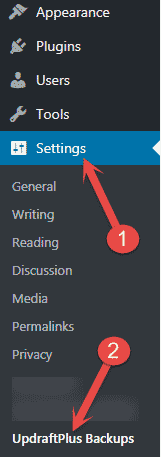
अब Settings पर क्लिक कीजिये।
इसके बाद Updraftplus backup पर क्लिक कर दीजिये।
स्टेप -3
अब Existing Backups टैब पर क्लिक कीजिये।
Upload Backup Files पर क्लिक कर दीजिये।
इसके बाद Select Files पर क्लिक करके अपनी सारी updraftplus backup की फाइल्स को select करके upload कर दीजिये।
जब आपकी सारी बैकअप फाइल्स successfully upload हो जायेंगीं तो हर एक फाइल के सामने complete लिखा हुआ दिखने लगेगा।
स्टेप -5
जब सभी फाइल्स upload हो जाएँगी तो नीचे की तरफ Restore बटन पर क्लिक कर दीजिये इसके बाद कुछ seconds में आपका backup restore हो जायेगा और आपके ब्लॉग पर सारा content show होने लगेगा, मतलब आपका ब्लॉग ready हो जायेगा।
अब आप अपना ब्लॉग अपने browser में open करके देख सकते हैं सब कुछ वैसा ही नजर आएगा जैसा आपका old blog था जिसका आपने updraftplus plugin से backup लेकर इस new साईट पर upload किया है।
लेकिन अभी आपको कुछ important settings करनी होंगी जिसके बारे में मैंने अलग से बताया है आप चाहें तो के बारे में इस link को open करके अपने WP ब्लॉग की settings कर सकते हैं।
मुझे उम्मीद है आपको ये updraftplus plugin ka backup kaise upload karte hai वाली जानकारी जरुर पसंद आएगी। यदि आपके मन में इस tutorial guide से related कोई सवाल या सुझाव है तो कमेंट करके हमें जरुर बताएँ। यदि आपको updraftplus backup restore kaise karte hai ये वाली इनफार्मेशन अच्छी लगे तो इसे ज्यादा से ज्यादा अपने फेसबुक फ्रेंड्स के साथ शेयर करके उन्हें भी अवगत कराएँ।
Step 1: Install and activate UpdraftPlus
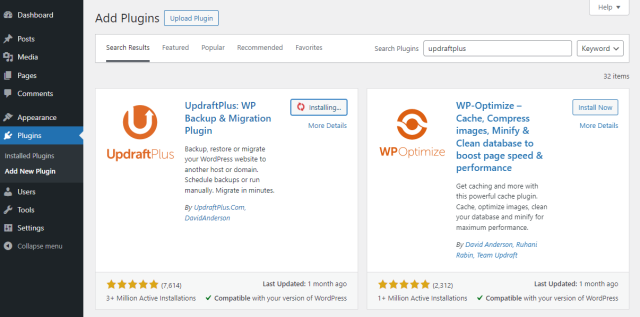
Section titled Step 1: Install and activate UpdraftPlThe first thing you need to do is install thefree version of UpdraftPlus. You can find it on the WordPress plugin directory and install it directly through your dashboard.
Navigate to Plugins > Add New Plugin and search for UpdraftPlus. Click Install Now and then Activate.
If you have the premium version of UpdraftPlus or installed it manually from the repository, you can also click Upload Plugin and drop the zip file in there.
Step 2: Set up remote storage
Section titled Step 2: Set up remote storage
First, choose where you’d like to back up to.
Storing backups on your website’s server is a bad idea. If your server files get corrupted or infected with malware, the backups will be rendered useless.
Generally speaking, you should employ the 3-2-1 rule for backups, according to Tom Jauncey, CEO at at Nautilus Marketing. The 3-2-1 rule, “means that you should retain three copies of your data in other places,” he says, then adds, “[f]or instance, there is the original, one backup on another medium, and another backup offsite.”
So, you could, “keep one locally on your computer and another on an external hard drive; keep another copy in the cloud,” he says.
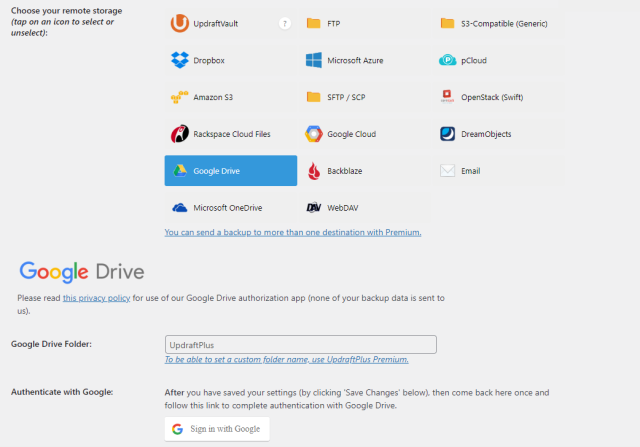
Open UpdraftPlus by going to Settings > UpdraftPlus Backups, then click the Settings tab.
Click the storage you want to export your backups to. Follow the steps to authenticate with the chosen service.
Now when you run manual or automatic backups, they’ll have a place to be stored.
Step 3: Take a manual backup in UpdraftPlus
Section titled Step 3: Take a manual backup in UpdraftPlus
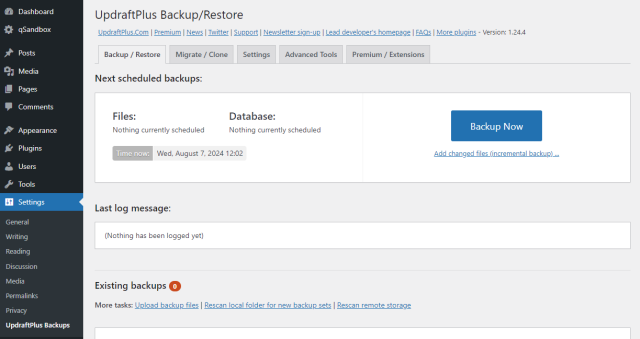
If you want to create a backup right now, it’s super easy: just click the blue Backup Now button.
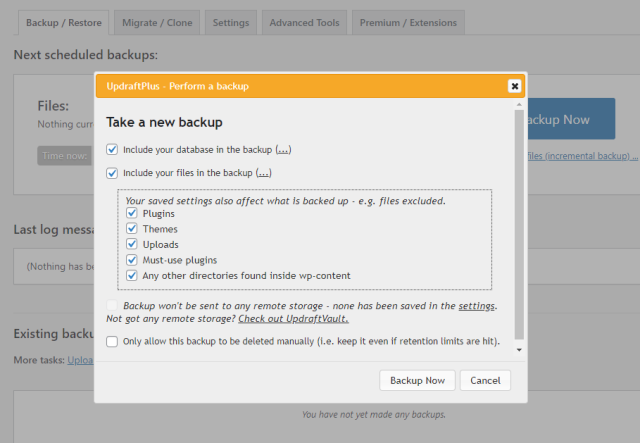
A pop-up will appear allowing you to choose what to back up. Make sure you select both files and database for a full WordPress backup. Then click Backup Now to start the process.
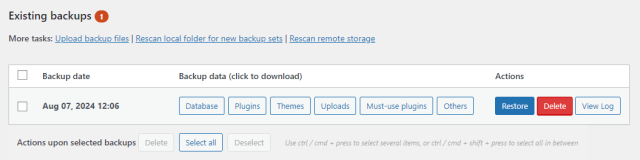
After a few minutes, your site will be backed up. You can find your backups and restore from the same tab as before.
Step 4: Schedule backups
Section titled Step 4: Schedule backups
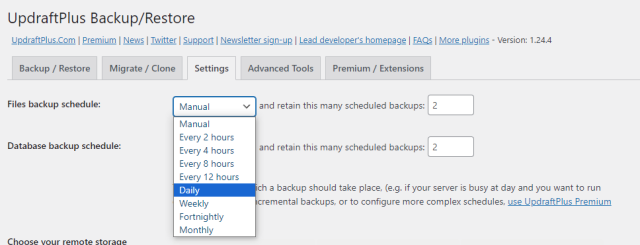
If you prefer, you can schedule automatic backups. Click the Settings tab.
Here you can set the Files backup schedule and Database backup schedule. You can pick from a few options. You can also retain a certain number of backups before automatically deleting older backups
And that’s it! UpdraftPlus will now periodically back up your website and store the files somewhere safe.
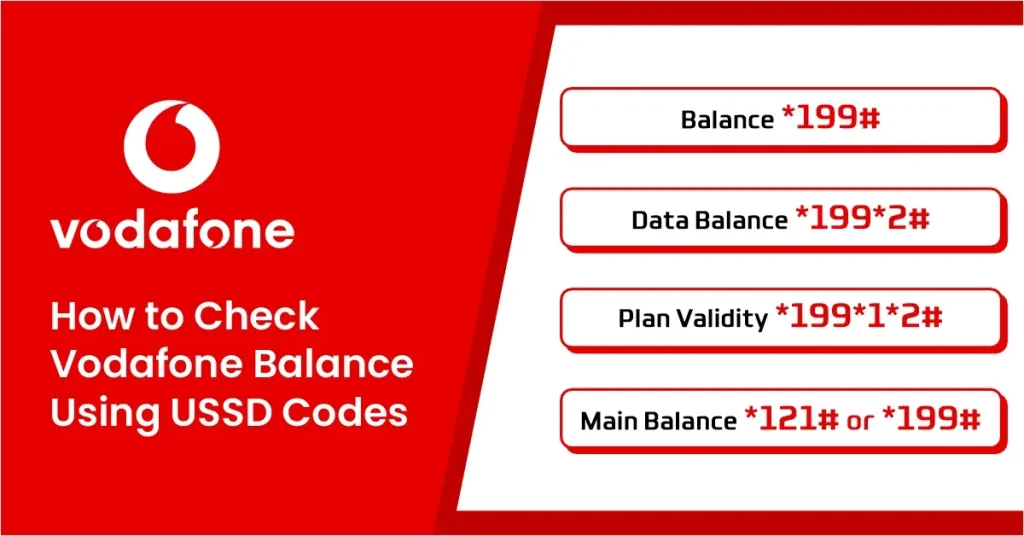
VI All USSD Codes List in Hindi भारत की प्रमुख टेलीकॉम कंपनियों में से एक है, जो प्रीपेड और पोस्टपेड उपयोगकर्ताओं को वॉयस कॉलिंग, डेटा, और अन्य सेवाएं प्रदान करती है। USSD (Unstructured Supplementary Service Data) कोड्स छोटे कोड होते हैं, जो * और # के बीच संख्याओं का उपयोग करके मोबाइल फोन से डायल किए जाते हैं। ये कोड उपयोगकर्ताओं को बैलेंस, डेटा, वैलिडिटी, ऑफर, और अन्य सेवाओं की जानकारी तुरंत प्राप्त करने में मदद करते हैं। नीचे Vi के सभी महत्वपूर्ण USSD कोड्स की सूची हिंदी में दी गई है, जो आपके मोबाइल अनुभव को आसान बनाएगी।
USSD कोड्स क्या हैं?
USSD कोड्स मोबाइल ऑपरेटर के सिस्टम के साथ सीधे संचार करने का एक तेज़ और ऑफलाइन तरीका हैं। ये कोड आपके फोन के डायलर में डायल करने पर तुरंत जानकारी प्रदान करते हैं, जैसे मुख्य बैलेंस, डेटा बैलेंस, या प्लान की वैलिडिटी। उदाहरण के लिए, *199# डायल करने पर आपका बैलेंस स्क्रीन पर दिखाई देता है। Vi के उपयोगकर्ता इन कोड्स का उपयोग करके बिना इंटरनेट या ऐप के अपनी सेवाओं को प्रबंधित कर सकते हैं।
Vi USSD कोड्स की सूची (VI All USSD Codes List in Hindi)
निम्नलिखित Vi के प्रमुख USSD कोड्स हैं, जो प्रीपेड और पोस्टपेड उपयोगकर्ताओं के लिए उपयोगी हैं। ये कोड दिल्ली एनसीआर, महाराष्ट्र, गुजरात, और अन्य क्षेत्रों में कार्य करते हैं, लेकिन कुछ कोड क्षेत्र के आधार पर भिन्न हो सकते हैं।
1. बैलेंस और वैलिडिटी चेक
मुख्य बैलेंस और वैलिडिटी: *199# या *111# डायल करें। यह कोड आपके मुख्य बैलेंस और प्लान की वैलिडिटी दिखाता है।
इंटरनेट डेटा बैलेंस: 1992*2# डायल करें। यह 4G/5G डेटा बैलेंस और दैनिक उपयोग की जानकारी देता है।
2G डेटा बैलेंस: 1419# (कुछ क्षेत्रों में लागू)।
199 पैक मिनट बैलेंस: *143# डायल करें।
नाइट मिनट्स चेक: *157# (Vi से Vi कॉल्स के लिए *147#)।
SMS बैलेंस: 1992*3# डायल करें।
2. ऑफर और प्लान की जानकारी
नए ऑफर और प्लान: *121# डायल करें। यह आपके नंबर के लिए उपलब्ध सर्वश्रेष्ठ ऑफर और रिचार्ज प्लान दिखाता है।
विशेष रिचार्ज ऑफर: 1991# डायल करें। यह मिनट्स, डेटा, या SMS पैक ऑफर प्रदर्शित करता है।
आखिरी रिचार्ज की जानकारी: 1993# डायल करें।
3. सेवाओं का सक्रियण/निष्क्रियण
कॉलर ट्यून सक्रिय करें: 1217# डायल करें और मेनू से चुनें।
DND (Do Not Disturb) सक्रिय करें: *1909# डायल करें या “START DND” टेक्स्ट करके 1909 पर भेजें।
VAS (Value Added Services) निष्क्रिय करें: 1215# डायल करें और अनचाही सेवाओं को बंद करें।
1-दिन का डेटा पैक: 4441# (क्षेत्र के आधार पर उपलब्धता)।
7-दिन का डेटा पैक: 4447#।
4. अन्य उपयोगी कोड्स
अपना नंबर जानें: 1992# डायल करें (कुछ क्षेत्रों में 1112# काम नहीं करता)।
3G/4G डेटा कार्ड बैलेंस: *141# डायल करें।
कॉल लागत की जानकारी: *145# डायल करें (आखिरी कॉल की लागत)।
ग्राहक सेवा: 198 (शिकायतों के लिए) या 199 (सामान्य पूछताछ) डायल करें।
5. SMS के माध्यम से बैलेंस चेक
मुख्य बैलेंस: “BAL” टेक्स्ट करें और 144 पर भेजें।
पोस्टपेड बिल: “BILL” टेक्स्ट करें और 144 पर भेजें।
अन्य तरीके
USSD कोड्स के अलावा, Vi उपयोगकर्ता निम्नलिखित तरीकों से जानकारी प्राप्त कर सकते हैं:
Vi ऐप: Google Play Store या Apple App Store से Vi ऐप डाउनलोड करें। अपने Vi नंबर से लॉग इन करें, OTP दर्ज करें, और मुख्य स्क्रीन पर बैलेंस, डेटा, और वैलिडिटी देखें।
Vi वेबसाइट: vi.co.in पर जाएं, “लॉग इन” पर क्लिक करें, और अपने नंबर से OTP के साथ लॉग इन करें। “My Account” सेक्शन में बैलेंस और प्लान की जानकारी उपलब्ध होती है।
IVR (Interactive Voice Response): *111# या *141# डायल करें और IVR निर्देशों का पालन करें। भाषा चुनें और बैलेंस पूछताछ का विकल्प选ें।
Vi WhatsApp हेल्पडेस्क: Vi के आधिकारिक WhatsApp नंबर पर मैसेज भेजकर बैलेंस और ऑफर की जानकारी प्राप्त करें।
सावधानियां और टिप्स
क्षेत्रीय भिन्नता: कुछ USSD कोड्स क्षेत्र के आधार पर भिन्न हो सकते हैं। अगर कोई कोड काम न करे, तो Vi ऐप या वेबसाइट पर जांच करें।
नेटवर्क कनेक्टिविटी: कोड डायल करने से पहले सुनिश्चित करें कि आपके फोन में नेटवर्क सिग्नल है।
ड्यूल सिम: ड्यूल सिम फोन में, Vi सिम से ही कोड डायल करें।
DND का उपयोग: अनचाही कॉल्स या मैसेज से बचने के लिए DND सक्रिय करें温和 करें।
ऑफलाइन उपयोग: USSD कोड्स इंटरनेट कनेक्शन के बिना काम करते हैं, इसलिए यह तुरंत जानकारी प्राप्त करने का सबसे तेज़ तरीका है।
क्यों उपयोगी हैं USSD कोड्स?
USSD कोड्स समय और डेटा की बचत करते हैं। आपको ग्राहक सेवा के जवाब का इंतज़ार नहीं करना पड़ता। यह विशेष रूप से तब उपयोगी है जब आप यात्रा कर रहे हों या इंटरनेट उपलब्ध न हो। Vi के कोड्स आपको बैलेंस, डेटा, ऑफर, और सेवाओं को जल्दी प्रबंधित करने में मदद करते हैं।
नोट
कुछ पुराने कोड्स (जैसे 4445#) अब काम नहीं करते। हमेशा नवीनतम कोड्स के लिए Vi की आधिकारिक वेबसाइट या ऐप चेक करें।
अगर कोई कोड काम न करे, तो 198 पर ग्राहक सेवा से संपर्क करें।
Vi ऐप डाउनलोड करने से आप USSD कोड्स के बिना भी सभी जानकारी प्राप्त कर सकते हैं।
निष्कर्ष
Vodafone Idea (Vi) के USSD कोड्स उपयोगकर्ताओं के लिए एक सुविधाजनक और तेज़ तरीका हैं अपनी मोबाइल सेवाओं को प्रबंधित करने का। ये कोड्स आपको बैलेंस चेक करने, ऑफर देखने, और सेवाएं सक्रिय/निष्क्रिय करने में मदद करते हैं। ऊपर दी गई सूची में शामिल कोड्स अधिकांश भारतीय क्षेत्रों में काम करते हैं, लेकिन क्षेत्रीय भिन्नताओं के लिए Vi की आधिकारिक वेबसाइट (vi.co.in) पर नवीनतम जानकारी अवश्य देखें।
Vodafone All USSD Codes List in Hindi idea All USSD Codes List in Hindi USSD Codes fastnews123
Shefali Jariwala Biography (born December 15, 1982, in Ahmedabad, Gujarat, India) was an Indian actress, model, and dancer who rose to fame as the “Kaanta Laga Girl” after her appearance in the 2002 music video Kaanta Laga. She grew up in a well-educated family of academicians, which initially steered her toward academics. Shefali completed her schooling at Jamnabai Narsee School in Gujarat and later pursued a Bachelor’s degree in Information Technology at Sardar Patel College of Engineering, Mumbai. Despite her technical background, her passion for performing arts led her to the entertainment industry.
Shefali stood at 5 feet 5 inches (165 cm), with a fit physique (36-26-36 measurements), grey eyes, and medium ash blonde hair. She was known for her vibrant personality and dedication to fitness, which she shared through social media. Shefali battled epilepsy from age 15, managing it through exercise and stress management, and was open about her struggles with depression.
Boyfriends and Relationships (Shefali Jariwala Biography)
Shefali Jariwala’s personal life garnered significant public interest. She was first married to Harmeet Singh, a musician from the Meet Bros duo, in 2004. Their marriage ended in divorce in 2009, with Shefali alleging that Harmeet was abusive, leading her to press charges. She later spoke candidly about the challenges of this relationship, which marked a difficult period in her life. After her divorce, Shefali dated television actor Parag Tyagi, whom she met at a mutual friend’s dinner party. Parag reportedly fell for her instantly, and despite her initial caution, their bond grew over four years of dating. They married on August 12, 2014, and their relationship was admired for its strength, showcased in joint appearances on reality shows. There were also rumors of a past relationship with the late actor Sidharth Shukla, her Bigg Boss 13 co-contestant, hinted at in her final X post, though never confirmed. Shefali and Parag expressed interest in adopting a child but had not done so by 2025.
Lifestyle
Shefali Jariwala lived a lavish yet grounded lifestyle in Mumbai, residing in a luxurious house with her husband, Parag Tyagi. She owned high-end cars, including an Audi A6, reflecting her financial success. A fitness enthusiast, she regularly shared workout videos and yoga routines on Instagram (@shefalijariwala), where she had 3.2 million followers. Her posts emphasized a healthy lifestyle, positivity, and animal rights advocacy, as she supported NGOs for stray animals. Shefali enjoyed traveling, dancing, and modeling, often sharing chic outfits and inspirational content. Her battle with epilepsy, triggered by stress and anxiety since age 15, was managed through exercise, which she credited for keeping her seizure-free and combating depression. Her vibrant social media presence and engagement with fans made her a beloved figure, blending glamour with relatability.
Career
Shefali Jariwala’s career began with a bang in 2002 when she starred in the remix music video Kaanta Laga by DJ Doll, earning INR 7,000 and instant fame at age 20. The bold, iconic video made her a national sensation, dubbed the “Kaanta Laga Girl.” She convinced her reluctant father to let her pursue this opportunity, despite her academic background. She appeared in other music videos like Kabhi Aar Kabhi Paar Remix (2002), Maal Bhari Aahe – DJ Hot Remix (2004), and Pyar Hamein Kis Mode Pe Le Aaya (2006). Her Bollywood debut was a cameo in Mujhse Shaadi Karogi (2004), alongside Salman Khan and Akshay Kumar. She also acted in the Kannada film Hudugaru (2011) and the web series Baby Come Naa (2018) with Shreyas Talpade and Booo Sabki Phategi (2019). Shefali gained further popularity through reality shows, including Boogie Woogie (2008), Nach Baliye 5 (2012) and 7 (2015) with Parag Tyagi, and Bigg Boss 13 (2019) as a wildcard contestant, where her charm won fans. Her versatility spanned music videos, films, web series, and reality TV.
Net Worth
Shefali Jariwala’s net worth was estimated at $1–6 million (approximately INR 7.5–45 crore) as of 2025, derived from her work in music videos, films, reality shows, and brand endorsements. Her fees grew significantly from the INR 7,000 she earned for Kaanta Laga to lakhs per show in recent years. She lived a luxurious lifestyle, owning a Mumbai residence and luxury cars like an Audi A6. Her social media influence, with millions of followers, also contributed through sponsored content and modeling gigs. However, exact figures remain unconfirmed, as her family did not disclose precise details after her passing.
Death
On June 27, 2025, Shefali Jariwala tragically passed away at 42 due to a cardiac arrest, as reported by multiple sources. She was rushed to Bellevue Multispeciality Hospital in Mumbai by her husband, Parag Tyagi, and three others but was declared dead on arrival. Her body was transferred to Cooper Hospital for a post-mortem to confirm the cause, though initial reports cited cardiac arrest. The news, first shared by journalist Vickey Lalwani on social media, sent shockwaves through the entertainment industry. Colleagues like Aly Goni, Divyanka Tripathi, and Mika Singh expressed grief, with tributes flooding X. Parag Tyagi, visibly devastated, was spotted leaving the hospital but issued no statement. Shefali’s final X post, reportedly referencing Sidharth Shukla, added an emotional layer for fans. Her sudden demise left a void in Indian pop culture, where she remained the iconic “Kaanta Laga Girl.”
Legacy
Shefali Jariwala’s journey from an engineering student to a pop culture icon showcased her resilience and versatility. Despite personal challenges, including a failed marriage and health struggles, she carved a niche in entertainment through her bold debut, reality TV presence, and social media engagement. Her openness about epilepsy and mental health inspired many, and her vibrant energy continues to resonate with fans mourning her loss.
Shefali Jariwala in hindi Shefali Jariwala husband Shefali Jariwala kon thi Shefali Jariwala first movie Shefali Jariwala first song Shefali Jariwala age Shefali Jariwala fastnews123
Khushi Dubey, born on April 24, 2001, in Allahabad (now Prayagraj), Uttar Pradesh, is an Indian actress, model, and dancer known for her work in Hindi television, films, and web series. Raised in a Hindu family, she moved to Mumbai at age four due to her father Suresh Dubey’s job. Her mother, Preeti Dubey, is also an actress. Khushi completed her schooling at Ryan International School, Kandivali East, and Thakur Vidya Mandir High School, Mumbai, excelling academically with 98% in her 10th ICSE board exams and 90% in her 12th. She graduated with a B.Tech in Computer Science from Thakur College of Engineering and Technology, Mumbai, in 2022, balancing her studies with acting.
Khushi began her career as a child artist at age five, debuting in the 2006 Bollywood film Ankahee, directed by Vikram Bhatt, as Amisha Patel and Aftab Shivdasani’s daughter. She gained recognition as young Amrita in Naaginn: Waadon Ki Agniparikshaa (2008) and appeared in TV shows like Kaisa Yeh Pyaar Hai (2005), Sangam (2007), Baa Bahoo Aur Baby, and Kasamh Se. Her film roles include Namastey London (2007), Bombay Talkies (2013), Krrish (as Hrithik Roshan’s daughter), and Dil Dhadakne Do (2015) as Putlu Mehra. She transitioned to lead roles with Aashiqana (2022–2024), a Disney+ Hotstar romantic thriller, playing Chikki Sharma opposite Zayn Ibad Khan. In 2024, she starred as Rukmini in Aankh Micholi and Gauri in Jaadu Teri Nazar. Khushi also featured in the Bhojpuri film Didiya Ke Devar Dil Le Gail (2023) and music videos, earning a nomination for Best Child Actress at the 2006 Indian Telly Awards.
Lifestyle (Khushi Dubey Biography, Net Worth)
Khushi Dubey leads a vibrant, disciplined lifestyle, blending her professional commitments with personal passions. Standing at 5’5” (165 cm) and weighing around 50–55 kg, she maintains a figure of 32-26-34 through daily yoga and gym workouts, reflecting her fitness enthusiasm. Her striking black hair and dark brown eyes enhance her on-screen presence. A self-proclaimed foodie, Khushi enjoys biryani, pizza, pasta, momos, samosas, and Indian dishes, often dining at reputed restaurants. She follows a non-vegetarian diet but prioritizes balanced nutrition.
Khushi is passionate about dancing, singing, poetry, painting, and traveling, frequently sharing her experiences on Instagram (@khushidubey) with over 1.1 million followers. An avid pet lover, she owns a dog and often posts about it. Her hobbies include collecting shoes and playing musical instruments like the ukulele. Khushi is deeply connected to her Hindu roots, expressing a desire to visit the Kamakhya Temple in Guwahati. She resides in Mumbai with her family, maintaining a modest yet stylish lifestyle. Her involvement in social organizations like the Indian Society for Technical Education (ISTE), where she served as secretary, and the Rotaract Club highlights her community engagement. Khushi’s down-to-earth nature and active social media presence make her a favorite among young fans.
Net Worth
Khushi Dubey’s net worth is estimated at ₹1–2 crore (approximately $1–2 million USD) as of 2024, with some sources citing up to $6 million. Her income stems from acting in television, films, and web series, along with modeling, brand endorsements, and social media sponsorships. She earns ₹5–7 lakh monthly, with significant contributions from her lead role in Aashiqana and appearances in Aankh Micholi and Jaadu Teri Nazar. Her early work as a child model for brands like Rin Advance (with Amitabh Bachchan), Hyundai Getz (with Sania Mirza), and Lifebuoy (with Smriti Irani) added to her earnings. Khushi’s social media influence, with over 1 million Instagram followers, secures lucrative brand deals.
While she leads a comfortable lifestyle, Khushi does not flaunt her wealth, focusing on her career and personal growth. She owns no publicized car collection but resides in a well-appointed Mumbai home with her family. Her shift to web series and films, including her 2024 role in Citadel: Honey Bunny, suggests potential for increased earnings in the future.
Relationship Status
As of 2024, Khushi Dubey is unmarried and reportedly single, with no confirmed romantic relationships. She maintains privacy about her personal life, focusing on her career. Rumors linked her to co-star Zayn Ibad Khan during Aashiqana, fueled by their cozy Valentine’s Week 2024 Instagram posts, where Zayn was seen kissing her cheek. Netizens speculated they were dating, but neither confirmed the relationship. By mid-2024, Reddit users noted that Khushi and Zayn unfollowed each other on Instagram, suggesting a possible fallout or end to any rumored romance.
Khushi has stated she is not dating anyone, prioritizing her acting and education. Her family, particularly her mother Preeti, supports her career, and there are no reports of past relationships or engagements. Khushi’s focus remains on professional growth, with her chemistry with co-stars like Zayn attributed to their on-screen roles rather than off-screen romance.
Conclusion
Khushi Dubey’s journey from a child artist to a leading actress showcases her talent and determination. Her disciplined lifestyle, rooted in fitness, creativity, and cultural values, complements her rising career. With a modest yet growing net worth, she remains grounded, focusing on her craft. Single and private about her personal life, Khushi captivates audiences with her versatility and charm.
Shashank Vyas, born on November 30, 1986, in Ujjain, Madhya Pradesh, is an Indian actor and model renowned for his roles in Hindi television. Raised in a middle-class Hindu family, his father, Vikas K. Vyas, is a businessman, and his mother, the late Geeta Vyas, was a homemaker. He has a younger sister, Anjali Vyas. Shashank completed his schooling at a private school in Ujjain and graduated with a B.Com from Maharaja Ranjit Singh College, Indore. Initially preparing for MBA entrance exams, he was encouraged by a friend to pursue acting, leading him to relocate to Mumbai.
Shashank debuted in 2010 as Jagdish “Jagya” Singh in *Balika Vadhu*, a role that made him a household name over its five-year run. His portrayal of Jagya, a character navigating complex familial and social issues, earned him the Best Male Debutant award at the 2011 Global Indian Film and TV Honors. He also appeared in a cameo in the Bollywood film *Tees Maar Khan* (2010). His television career continued with roles like Captain Ravish Vashisht in *Jaana Na Dil Se Door* (2016–2017) and Roopendra “Roop” Singh Vaghela in *Roop – Mard Ka Naya Swaroop* (2018–2019), where he played a progressive character challenging gender norms. In 2024, he featured in the web series *Citadel: Honey Bunny*. Shashank has also appeared in reality shows like *Nach Baliye* and *Jhalak Dikhhla Jaa* and music videos such as *Laila Manju* (2020).
Lifestyle (Shashank Vyas Biography, Net Worth)
Shashank Vyas leads a disciplined yet vibrant lifestyle, balancing fitness, creativity, and personal interests. Standing at 5’10” (178 cm) and weighing approximately 75 kg, he maintains an athletic build with measurements of 40-inch chest, 30-inch waist, and 14-inch biceps. A fitness enthusiast, he favors cardio workouts like treadmill sprints and strength exercises targeting biceps and legs. His diet is health-conscious, starting with 3–4 glasses of warm water, boiled eggs, and fruits in the morning, followed by oatmeal for breakfast, grilled vegetables and legumes for lunch, and a balanced dinner of dal, roti, and sabzi, avoiding rice. He indulges occasionally in KFC burgers, chocolates, and ice cream.
Shashank is a trained classical dancer and enjoys traveling, reading, and playing cricket. During the 2020 lockdown, he rekindled his passion for writing poetry and short films, a habit from his struggling days in Mumbai. A private individual, he is active on Instagram (@shashankvyas) with over 500k followers, sharing updates on his professional life and stylish outfits in red, black, and white. He practices Hinduism and values his cultural roots. Shashank resides in a luxurious Mumbai home and owns a Hyundai Creta and Honda City, reflecting his comfortable lifestyle. He views social media as a casual pastime rather than a serious pursuit, focusing on his craft and personal growth.
Net Worth
Shashank Vyas’s net worth is estimated at $1–5 million USD (approximately ₹8–41 crore) as of 2024, with sources varying between $1 million and $6 million. His income primarily stems from acting, modeling, and brand endorsements. He reportedly earns ₹80,000–85,000 monthly from television roles, with his long-running stint in *Balika Vadhu* being a significant contributor. Additional earnings come from reality shows, music videos, and his role in *Citadel: Honey Bunny*. His modeling work and social media sponsorships further bolster his finances.
Shashank’s lifestyle reflects his financial success, with investments in a Mumbai home and luxury cars. While specific details about his assets are limited, his consistent work in high-profile shows and digital platforms indicates a steady income growth. His focus on films and web series, as mentioned in a 2021 interview, suggests a strategic shift to diversify his career and earnings.
Girlfriend
As of 2024, Shashank Vyas is reportedly single and unmarried, maintaining privacy about his personal life. He was rumored to have dated actress Heena Parmar in 2021, but neither confirmed the relationship, and it appears to have been speculative. Shashank has consistently avoided public discussions about his dating life, stating in a 2018 interview that he prioritizes his career over marriage. His parents, particularly his father, have been keen on finding a suitable bride, but Shashank has expressed openness to marrying someone from within or outside the industry, citing examples like Ravi Dubey and Sargun Mehta. He values compatibility over professional background.
In 2018, he shared an anecdote about being rejected in an arranged marriage meeting, indicating his relaxed approach to settling down. Shashank’s focus remains on his acting career, with no confirmed relationships or engagements reported recently. His private nature keeps speculation at bay, allowing him to maintain a professional image.
Conclusion
Shashank Vyas’s journey from Ujjain to television stardom showcases his dedication and versatility. His disciplined lifestyle, rooted in fitness and creativity, complements his successful career. With a substantial net worth and a focus on diverse projects, he continues to evolve as an actor. Remaining private about his personal life, Shashank prioritizes his craft, earning admiration for his talent and grounded persona.