Shehzada Dhami is a prominent Indian television actor, model, and fitness enthusiast, best known for his roles in popular TV shows. Born on December 8, 1996, in Punjab, India, Dhami developed an interest in modeling and acting during his college years. As of 2024, he is 28 years old and lives in Mumbai to further pursue his career in the entertainment industry. Shehzada Dhami Biography, Age, Height, Model and Girlfriend
Early Life and Education
Dhami grew up in a Punjabi household and completed his schooling locally before earning a bachelor’s degree from a reputed university. His love for modeling began in college, which led him to move to Mumbai. In addition to acting, Dhami is a fitness enthusiast who regularly shares workout updates on his social media platforms.
Physical Appearance
Shehzada Dhami has a well-maintained physique, standing at 5 feet 11 inches (180 cm) tall and weighing approximately 78 kg (172 lbs). He sports a muscular build with a strong focus on maintaining fitness through gym routines. His black hair and dark eyes complement his overall appearance.
Television Career
Dhami’s acting career took off in 2020 with his debut in the fantasy-romance serial “Yehh Jadu Hai Jinn Ka”, where he played Rehan Ahmed Khan. His portrayal of Paramjeet Singh in “Chhoti Sardarni” (2021-2022) after a 20-year storyline leap brought him wider recognition. In 2022, he starred in the lead role in “Shubh Shagun” on Dangal TV.
Recently, he joined “Yeh Rishta Kya Kehlata Hai”, one of India’s longest-running TV shows, in a pivotal role, further solidifying his reputation in the industry. Dhami has also participated in Bigg Boss Season 18 on Colors TV, adding a reality TV stint to his growing list of achievements.
Apart from television, Dhami has appeared in music videos, including “Kismat” and his debut track “Shehzada”, released in 2021.
Relationship Status
As of 2024, Dhami is unmarried. While he is private about his personal life, some reports suggest a relationship with Pratiksha Honmukhe, a fellow public figure. However, he prefers to keep his romantic life low-profile.
Interests and Hobbies
In addition to acting, Dhami enjoys motorcycle riding, especially on his favorite Royal Enfield Bullet. He also takes pleasure in travel, gym workouts, and mirror selfies. He follows a non-vegetarian diet and practices yoga as part of his fitness routine.
Net Worth and Future Plans
Shehzada Dhami’s estimated net worth is around ₹8 crores (approx. $1 million), reflecting his success in acting, modeling, and endorsements. His future projects likely include more television roles, music videos, and endorsements in the fitness industry. Dhami’s career trajectory demonstrates a steady rise, with his versatility across genres making him a well-known face in Indian entertainment today.
Shilpa Shirodkar is a talented Indian actress and former model, well-known for her work in Hindi cinema during the late 80s and 90s. She has carved a niche for herself with her versatile performances, portraying both glamorous and emotional roles with ease. Here’s a deep dive into her personal life, professional journey, and interesting facts. Shilpa Shirodkar Biography, Age, Height, Model and Husband
Early Life and Background
Shilpa Shirodkar was born on November 20, 1969, in Mumbai, Maharashtra, India, into a family with a strong connection to the entertainment industry. She is the younger sister of Namrata Shirodkar, another Bollywood actress, and the granddaughter of the renowned classical singer Meenakshi Shirodkar.
Raised in a family inclined toward arts and cinema, Shilpa was introduced to the industry at an early age. Her family’s legacy helped foster her interest in acting and fashion, leading her to become one of the most promising actresses of her time.
Career: Films and Modeling
Shilpa began her career as a model before entering Bollywood. She made her acting debut in the 1989 film Bhrashtachar, starring alongside actors like Mithun Chakraborty and Rekha. Her role in the movie garnered positive attention, and she quickly gained recognition for her performances.
Throughout the 1990s, Shilpa featured in a series of hit films, such as:
Kishen Kanhaiya (1990)
Hum (1991)
Khuda Gawah (1992)
Aankhen (1993)
Pehchaan (1993)
Her role in Hum, opposite Amitabh Bachchan and Govinda, remains one of her most popular performances. Shilpa was known for her bold on-screen presence and unconventional choices. She often portrayed confident women with an edge, setting her apart from many of her contemporaries.
In addition to mainstream cinema, Shilpa explored roles in regional films and participated in TV serials. However, after 2000, she took a break from acting following her marriage.
Personal Life: Marriage and Family
Shilpa Shirodkar married Apoorva Shirodkar, a banker based in the UK, in 2000. After marriage, she relocated to London and decided to step away from the limelight to focus on her family. The couple has a daughter, Anushka Shirodkar, and Shilpa dedicated her time to raising her child while maintaining a low public profile.
Although she took a long break from films, Shilpa stayed connected with the industry through her sister Namrata, who is married to Telugu superstar Mahesh Babu.
Comeback to Television
After more than a decade-long hiatus, Shilpa made a successful comeback to entertainment through television. She starred in the popular TV show Ek Mutthi Aasmaan (2013), which earned her critical acclaim. Her portrayal of Kamla, a strong and determined mother, struck a chord with the audience, making her comeback a resounding success.
Following this, she appeared in other TV serials such as Silsila Pyaar Ka (2016) and Savitri Devi College & Hospital (2017).
Height, Physical Appearance, and Personality
Height: 5 feet 7 inches (170 cm)
Weight: Approximately 68 kg (150 lbs)
Eye Color: Dark Brown
Hair Color: Black
Shilpa Shirodkar’s graceful personality and natural beauty contributed to her success as a model and actress. In her earlier years, she was known for her radiant smile and expressive eyes, which became her trademarks in films. Despite her hiatus, she has maintained a fit and healthy lifestyle.
Relationships and Personal Insights
Before her marriage, Shilpa Shirodkar was rumored to have had relationships within the industry, though she largely kept her personal life away from the public eye. Her marriage to Apoorva Shirodkar brought stability, and the couple’s relationship has been one of enduring love and companionship.
Legacy and Impact
Shilpa Shirodkar is remembered as one of the bold actresses of her time. While many actresses shied away from challenging roles, she embraced them, becoming a trendsetter in the industry. Whether it was her glamorous persona or emotional depth, she showcased a wide range of acting skills.
Her transition from films to television proved that her talent is timeless, as she continues to captivate audiences across generations. Shilpa’s ability to adapt to changing times and remain relevant has earned her respect in the entertainment world.
Conclusion
Shilpa Shirodkar’s journey in the entertainment industry reflects a story of talent, dedication, and reinvention. From her successful modeling career to her Bollywood hits and her comeback through television, she has shown resilience in both her personal and professional life.
Even after stepping away from the limelight for several years, Shilpa remains a beloved figure, appreciated not only for her acting but also for the way she balances her family life. With a career spanning decades, Shilpa Shirodkar stands as an inspiration to aspiring artists, proving that true talent always finds a way to shine.
Alprax Tablet (Alprazolam): Uses, Benefits, Side Effects, History & Safety Guide
Alprax Tablet is a prescription medicine whose active ingredient is Alprazolam, belonging to the benzodiazepine class of drugs. It is mainly prescribed for anxiety disorders, panic disorders, and stress-related conditions. Alprax works by calming the brain and nervous system, helping reduce excessive nervous activity.
📜 History: From First Day Till Date
Alprazolam was first introduced in the early 1980s and approved by the US FDA in 1981 for the treatment of anxiety and panic disorders. Over time, it became one of the most widely prescribed anti-anxiety medications worldwide due to its fast-acting effect.
In India and many other countries, Alprazolam is sold under several brand names, including Alprax. While it gained popularity for its effectiveness, medical authorities later emphasized controlled usage due to risks of dependence and misuse. Today, Alprax is a Schedule drug, meaning it must be taken strictly under a doctor’s supervision.
✅ Benefits of Alprax Tablet
Alprax Tablet offers several medical benefits when used correctly:
Reduces Anxiety – Helps control excessive worry, fear, and nervousness
Treats Panic Attacks – Effective in sudden panic episodes
Improves Sleep (Short-Term) – Calms the mind and helps with stress-related insomnia
Muscle Relaxation – Relieves tension caused by anxiety
Ross William Ulbricht is an American former darknet market operator and convicted felon who gained notoriety as the creator and operator of the Silk Road, an online marketplace notorious for facilitating the sale of illegal goods and services, including drugs and hacking tools. Ross William Ulbricht Biography, Age, Height, Model and Girlfriend
Early Life and Education:
Ross Ulbricht was born on March 27, 1984, in Austin, Texas. He studied physics at the University of Texas at Dallas and later pursued a master’s degree in materials science and engineering at Pennsylvania State University.
Creation of Silk Road:
In 2011, Ulbricht created and launched the Silk Road, an online marketplace accessible through the Tor network, which allowed users to browse and make transactions anonymously. The site became known for facilitating the sale of drugs, fake passports, hacking tools, and other illicit goods and services using Bitcoin as the primary form of payment.
Arrest and Trial:
In October 2013, Ulbricht was arrested by the Federal Bureau of Investigation (FBI) in San Francisco. He was charged with money laundering, computer hacking, and conspiracy to commit drug trafficking and other crimes. The authorities seized millions of dollars worth of Bitcoin from Ulbricht.
Conviction:
In February 2015, Ulbricht was found guilty on seven charges, including conspiracy to commit money laundering, computer hacking, and drug trafficking. The court concluded that he operated the Silk Road under the pseudonym “Dread Pirate Roberts.” In May 2015, Ulbricht was sentenced to life in prison without the possibility of parole.
Legal Appeals:
Ulbricht and his legal team pursued various appeals, arguing that his sentence was disproportionately severe and that there were issues with the investigation and trial. However, as of my last knowledge update in January 2022, these appeals had been largely unsuccessful, and Ulbricht remained incarcerated.
Advocacy and Support:
Some supporters and activists have argued that Ulbricht’s sentence was too harsh, citing concerns about the fairness of the trial and the potential implications for internet privacy and freedom. Advocacy groups, including the Free Ross Ulbricht campaign, have sought clemency or a commutation of his sentence.
Ross Ulbricht’s case remains a controversial and widely discussed topic in discussions about online privacy, internet freedom, and the legal implications of darknet markets. It’s important to note that developments in his case may have occurred since my last knowledge update in January 2022.
Ross William Ulbricht Biography Ross William Ulbricht dark web Ross William Ulbricht crime Ross William Ulbricht Girlfriend Ross Ulbricht Biography in hindi Ross William Ulbricht dark web Ross William Ulbricht crime Ross William Ulbricht Girlfriend Ross Ulbricht Biography in hindi
Circadin Tablet (Melatonin): Benefits, Uses, Side Effects, History & Safety
Circadin is a prolonged-release melatonin tablet used primarily to help adults, especially those aged 55 and over, with primary insomnia — difficulty falling asleep or maintaining restorative sleep. Unlike over-the-counter supplements, Circadin is a pharmaceutical-grade medication designed to mimic the body’s natural melatonin release throughout the night.
📜 History: From First Authorization to Today
Circadin’s story begins in the mid-2000s, when researchers and regulatory agencies began exploring melatonin as a therapeutic sleep aid rather than just a supplement. In June 2007, the European Medicines Agency (EMA) granted marketing authorisation for Circadin as a prolonged-release melatonin tablet for treating primary insomnia in patients aged 55 years and older.
Since then, it has been studied in controlled trials showing modest yet meaningful improvements in sleep latency (time to fall asleep), sleep quality, and daytime functioning compared with placebo. Today, Circadin remains one of the few regulated, prescription-grade melatonin medications in many countries, distinct from unregulated dietary supplements.
🌟 What Is Circadin Tablet & How It Works
Circadin contains 2 mg of melatonin in a prolonged-release formulation. Melatonin is a natural hormone produced in the brain by the pineal gland that regulates the circadian rhythm — the body’s internal sleep-wake cycle. As people age, natural melatonin production tends to decline, which can contribute to sleep onset problems.
The tablet’s prolonged-release design slowly releases melatonin over 8 – 10 hours, closely mimicking the body’s own nocturnal melatonin pattern. This helps promote sleep onset and maintenance without abrupt spikes and declines in hormone levels.
😴 Benefits of Circadin Tablet
Circadin is prescribed for the short-term treatment of primary insomnia — insomnia that exists without an identified underlying cause. Key benefits include:
✅ Improves Sleep Quality
Studies show Circadin helps users fall asleep faster and stay asleep longer, with measurable improvements compared with placebo.
✅ Promotes Natural Sleep Rhythm
Prolonged-release melatonin matches the body’s natural secretion, offering a gentler, more physiological sleep aid.
✅ Supports Next-Day Alertness
Unlike many traditional sleeping pills, Circadin’s formulation rarely impairs cognitive or psychomotor performance the next day.
✅ Lower Risk of Dependence
Clinical evidence shows no significant dependence, withdrawal, or abuse potential — a major advantage over benzodiazepine or non-benzodiazepine hypnotics.
✅ Can Improve Daytime Functioning
By improving sleep, many users report better energy, mood, and function during daylight hours.
🩺 How & When It’s Used
Dosage: One 2 mg tablet once daily.
When to take: 1–2 hours before bedtime, after food.
Duration: Up to 13 weeks unless otherwise directed by a physician.
Avoid crushing or chewing the tablet; this disrupts the prolonged-release mechanism.
⚠️ Side Effects of Circadin Tablet
Circadin is generally well tolerated, but some users may experience side effects:
Common / Mild Side Effects
Drowsiness or somnolence (especially early in treatment)
Headache
Dizziness
Nausea
Mild irritability or mood changes
Tiredness or weakness
Less Common / Rare Side Effects
Infrequently, users may experience:
Allergic reactions
Syncope (fainting)
Liver enzyme changes or jaundice
Changes in blood pressure
Arthralgia (joint pain)
Severe dizziness or visual changes
Important: Alcohol can exacerbate drowsiness and other effects, so it’s typically recommended to avoid alcohol while taking Circadin.
🧠 Safety & Precautions
Prescription Only: In many countries (e.g., EU), Circadin requires a prescription.
Not for Children: Not studied or recommended for anyone under 55 for primary insomnia.
Pregnancy & Breastfeeding: Use only under medical advice.
Driving & Machines: Melatonin can cause drowsiness — avoid hazardous tasks until you know how it affects you.
No Known Withdrawal: Discontinuation generally does not cause withdrawal symptoms. Best medication for insomnia
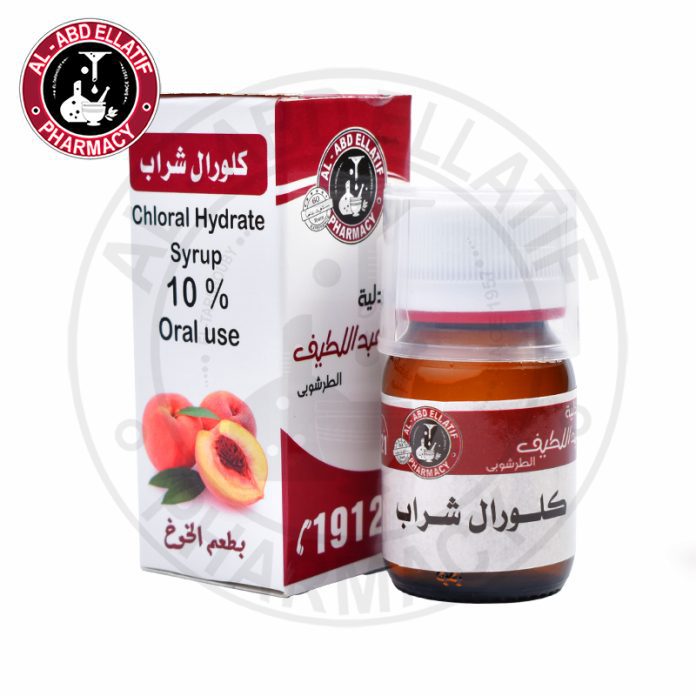
Chloral Hydrate Syrup: Uses, Benefits, Side Effects, History & Safety Guide
What Is Chloral Hydrate Syrup?
Chloral Hydrate Syrup is a sedative and hypnotic medication that has historically been used to induce sleep and calm patients before medical procedures. It acts on the central nervous system (CNS) to produce a calming and sleep-inducing effect.
Due to safety concerns and the availability of newer, safer medicines, its use today is very limited and strictly controlled, especially in children.
📜 History: From First Discovery to Present Day
Chloral Hydrate has one of the oldest histories in modern medicine.
1832: Chloral hydrate was first synthesized by chemist Justus von Liebig
1869: Discovered to have sedative and hypnotic properties
Late 19th – Early 20th century: Widely used as a sleep medicine and sedative
Mid-1900s: Commonly prescribed for insomnia, anxiety, and pediatric sedation
Late 20th century: Decline in use due to:
Risk of dependence
Cardiac and respiratory side effects
Availability of safer alternatives (benzodiazepines, melatonin, etc.)
Today, chloral hydrate is rarely prescribed, mainly used:
In specialist medical settings
For procedural sedation
Under strict medical supervision
🧠 How Chloral Hydrate Works
Chloral Hydrate depresses activity in the central nervous system, slowing brain signals that cause wakefulness. This results in:
Sedation
Drowsiness
Induced sleep
It does not treat the cause of insomnia—only the symptom.
✅ Benefits of Chloral Hydrate Syrup
When used appropriately under medical supervision, chloral hydrate may offer:
1️⃣ Sedation for Medical Procedures
Used in controlled settings to sedate patients (especially when other sedatives are unsuitable).
2️⃣ Short-Term Sleep Induction
Historically used to induce sleep in severe, short-term insomnia.
3️⃣ Calming Effect
Helps reduce agitation or restlessness in clinical situations.
⚠️ Important: Chloral hydrate is not recommended for long-term insomnia treatment.
🚫 Alcohol interaction is extremely dangerous and can be fatal.
🛑 Safety Warnings & Precautions
❌ Not recommended for routine insomnia treatment
❌ High risk of dependency and misuse
❌ Not suitable for elderly patients without specialist oversight
❌ Avoid in liver, heart, or respiratory disease
❌ Should never be used without a prescription
Modern guidelines strongly prefer safer alternatives like melatonin-based medicines for sleep disorders, especially in adults over 50. Chloral hydrate syrup uses and side effects Sedative syrup for medical procedures Sleep medicine risks and side effects Is chloral hydrate safe Old sleeping pills still used in hospitals Chloral fastnews123
Chlordiazepoxide Tablet: Uses, Benefits, Symptoms, Side Effects & History
What Is Chlordiazepoxide Tablet?
Chlordiazepoxide is a benzodiazepine medication primarily used to reduce anxiety, manage alcohol withdrawal, and treat short-term symptoms of anxiety or agitation. It works by enhancing the effect of a neurotransmitter called GABA in the brain, producing a calming effect on the central nervous system (CNS).
It is a prescription-only medication and should always be used under the guidance of a qualified healthcare provider.
📜 History: From Discovery to Present Day
1955: Chlordiazepoxide was first synthesized by Leo Sternbach, who later discovered several other benzodiazepines including diazepam.
1960: It became the first benzodiazepine approved for clinical use.
1960s–1980s: Widely prescribed for anxiety, insomnia, and alcohol withdrawal due to its efficacy and relatively safer profile compared to older sedatives like barbiturates.
Late 20th century: Awareness of dependence and tolerance led to more controlled prescription guidelines.
Present Day: Chlordiazepoxide is still used for anxiety disorders, alcohol withdrawal management, and sometimes as a preoperative sedative. However, it is not recommended for long-term daily use due to risk of dependence.
🧠 How Chlordiazepoxide Works
Chlordiazepoxide enhances GABAergic activity, which is a neurotransmitter responsible for slowing down nerve activity. This results in:
Reduced anxiety
Muscle relaxation
Sedation
Calming effect on the nervous system
It does not cure underlying causes of anxiety but helps manage symptoms effectively in the short term.
✅ Benefits of Chlordiazepoxide Tablet
When used responsibly under medical supervision, chlordiazepoxide may offer the following benefits:
Buspirone Tablet Uses, Benefits, and Side Effects You Must Know
Why Buspirone Tablet is the Future of Anxiety Treatment
Buspirone Tablet is a prescription medication primarily used to treat anxiety disorders. Unlike traditional sedatives or benzodiazepines, Buspirone works differently in the brain and does not usually cause significant sedation or dependency. It is commonly prescribed for long-term management of anxiety, particularly Generalized Anxiety Disorder (GAD). This article provides a detailed and professional overview of Buspirone tablet uses, benefits, symptoms it treats, side effects, precautions, and safety considerations.
What Is Buspirone?
Buspirone belongs to a class of medicines known as anxiolytics. It is specifically categorized as a serotonin receptor partial agonist. It works mainly on serotonin (5-HT1A) receptors in the brain, helping regulate mood and anxiety levels.
Unlike benzodiazepines such as Diazepam or Alprazolam, Buspirone does not significantly affect GABA receptors. Because of this difference, it generally does not cause strong sedation, muscle relaxation, or dependence.
Uses of Buspirone Tablet
1. Generalized Anxiety Disorder (GAD)
The primary and FDA-approved use of Buspirone is for treating Generalized Anxiety Disorder (GAD). Patients with GAD experience excessive, persistent worry that interferes with daily life. Buspirone helps reduce constant nervousness, irritability, and tension.
2. Chronic Anxiety Management
Buspirone is suitable for long-term anxiety treatment. It is often prescribed when patients need ongoing anxiety control without the risks associated with benzodiazepines.
3. Adjunct Treatment in Depression
In some cases, doctors may prescribe Buspirone along with antidepressants such as Fluoxetine or Sertraline. It may help enhance the anti-anxiety effect and reduce certain side effects caused by SSRIs.
4. Off-Label Uses
Physicians may sometimes prescribe Buspirone for:
Social anxiety disorder
Irritability and agitation
Anxiety related to medical conditions
Sexual side effects caused by antidepressants
Off-label uses depend on clinical judgment and patient history.
Symptoms Treated by Buspirone
Buspirone helps manage various anxiety-related symptoms, including:
Persistent worry and fear
Restlessness
Muscle tension
Difficulty concentrating
Irritability
Sleep disturbance related to anxiety
Racing thoughts
It is important to understand that Buspirone does not provide immediate relief like sedatives. Its effects develop gradually over time.
How Buspirone Works
Buspirone acts primarily on serotonin (5-HT1A) receptors as a partial agonist. By modulating serotonin activity, it helps stabilize mood and reduce excessive anxiety signals in the brain.
Unlike benzodiazepines:
It does not produce strong sedative effects.
It does not significantly impair cognitive function.
It has a lower risk of dependency or withdrawal symptoms.
However, it may take 2 to 4 weeks to show noticeable improvement.
Benefits of Buspirone Tablet
1. Non-Sedating Effect
Most patients do not experience heavy drowsiness, making it suitable for daytime use.
2. Low Risk of Dependence
Unlike benzodiazepines, Buspirone does not usually cause addiction or withdrawal syndrome.
3. Suitable for Long-Term Use
It can be used safely for extended periods under medical supervision.
4. Minimal Cognitive Impairment
Patients can generally continue work, driving, and daily tasks without major impairment.
5. Lower Abuse Potential
It is not classified as a controlled substance in many countries due to its low abuse risk.
Dosage and Administration
Buspirone is available in tablet form, commonly in strengths such as 5 mg, 10 mg, and 15 mg.
General dosing guidelines:
Initial dose: Usually 5 mg two to three times daily.
Maintenance dose: Adjusted gradually by a healthcare provider.
Maximum daily dose: Typically up to 60 mg per day (as directed by doctor).
Important instructions:
Take consistently with or without food.
Do not suddenly stop without medical advice.
Avoid alcohol while taking Buspirone.
Always follow the prescribing doctor’s instructions strictly.
Side Effects of Buspirone
Like all medications, Buspirone may cause side effects. Most are mild and temporary.
Common Side Effects
Dizziness
Headache
Nausea
Nervousness
Lightheadedness
Dry mouth
Fatigue
These symptoms often reduce as the body adjusts to the medication.
Moderate Side Effects
Blurred vision
Insomnia
Mild gastrointestinal discomfort
Increased heart rate
Confusion (rare)
If these persist, medical consultation is recommended.
Serious Side Effects (Rare)
Although uncommon, seek immediate medical attention if experiencing:
Severe allergic reaction (rash, swelling, difficulty breathing)
Chest pain
Severe mood changes
Serotonin syndrome (especially when combined with antidepressants)
Symptoms of Serotonin Syndrome May Include:
High fever
Rapid heart rate
Sweating
Tremors
Muscle stiffness
Agitation
Serotonin syndrome is rare but requires urgent medical treatment.
Precautions and Warnings
1. Liver or Kidney Disease
Patients with liver or kidney impairment should use Buspirone cautiously, as dose adjustments may be required.
2. Pregnancy and Breastfeeding
Consult a healthcare provider before use during pregnancy or breastfeeding.
3. Drug Interactions
Buspirone may interact with:
MAO inhibitors
SSRIs
Antifungal medications
Certain antibiotics
Grapefruit juice (may increase drug levels)
Always inform your doctor about all medications and supplements you are taking.
4. Alcohol Use
Alcohol may increase dizziness and impair judgment. Avoid alcohol consumption during treatment.
Who Should Avoid Buspirone?
Buspirone may not be suitable for:
Patients currently taking MAO inhibitors
Individuals with severe liver disease
Patients with known allergy to Buspirone
A complete medical evaluation is necessary before starting treatment.
Important Safety Information
Buspirone does not work immediately; patience is required.
Do not double doses if one is missed.
Regular follow-up appointments help monitor effectiveness and side effects.
Do not use for acute panic attacks unless advised by a physician.
Conclusion
Buspirone tablet is a well-established and effective medication for the treatment of anxiety disorders, particularly Generalized Anxiety Disorder. It offers several advantages over traditional sedatives, including a lower risk of dependency, minimal sedation, and suitability for long-term use. While side effects may occur, they are generally mild and manageable.
As with any prescription medication, Buspirone should be taken strictly under medical supervision. Proper dosage, regular monitoring, and awareness of potential side effects ensure safe and effective treatment. Patients experiencing persistent anxiety symptoms should consult a qualified healthcare professional to determine whether Buspirone is the right therapeutic option for them.
If you would like, I can also provide a simplified patient-friendly version or a comparison between Buspirone and benzodiazepines for deeper understanding.
Buspirone madicine Side Effects Buspirone pill Side Effects Buspirone price Buspirone Tablet in hindi Buspirone Tablet Benefits and Side Effects Buspirone uses Buspirone side effects GAD treatment options anxiety medication without sedation Buspirone vs benzodiazepines long-term anxiety management Buspirone alternatives
Stresscom Tablet: Uses, Benefits, Symptoms, Side Effects & History
What Is Stresscom Tablet?
Stresscom Tablet is a supplemental or prescription product designed to help manage stress, mild anxiety, and nervous tension. It works by supporting the nervous system, sometimes including natural adaptogens, vitamins, or calming agents depending on the formulation.
It is primarily used to reduce daily stress, improve mental focus, and promote emotional balance in adults.
📜 History: From First Use to Present
Stress management supplements and tablets like Stresscom began gaining popularity in the early 2000s as people sought alternatives to prescription medications.
Stresscom Tablet was formulated to combine vitamins, minerals, and herbal adaptogens to support the nervous system.
Over time, it has been marketed for stress relief, nervous system support, and mild mood enhancement.
Today, Stresscom is widely available as an over-the-counter supplement in many countries, sometimes used alongside lifestyle changes for stress management.
🧠 How Stresscom Tablet Works
Stresscom Tablets typically combine stress-relieving agents like:
Adaptogenic herbs (e.g., Ashwagandha, Bacopa)
Vitamins and minerals (e.g., B-complex, magnesium)
Amino acids or calming compounds
Mechanism of action:
Supports neurotransmitter balance in the brain
Reduces mild cortisol elevation due to stress
Promotes relaxation without causing sedation
Helps improve focus and mental clarity
Unlike sedative medications, Stresscom does not induce sleep directly and is intended for daytime stress management.
✅ Benefits of Stresscom Tablet
Reduces Daily Stress – Helps manage mild stress caused by work, studies, or lifestyle pressures.
Supports Mental Clarity – Improves focus, memory, and attention in stressful situations.
Promotes Emotional Balance – Helps maintain a calm and balanced mood throughout the day.
Supports Nervous System Health – Provides essential vitamins, minerals, and adaptogens that strengthen nerve function.
Non-Sedating – Can be taken during the day without causing drowsiness.
🔍 Symptoms / Conditions Addressed
Stresscom Tablet may help with:
Mild anxiety
Nervous tension or irritability
Mental fatigue due to stress
Difficulty concentrating under stress
General nervous system support
🚫 Not suitable for:
Severe psychiatric disorders
Chronic anxiety or panic attacks
Use as a sleep aid without consultation
⚠️ Side Effects of Stresscom Tablet
Stresscom Tablet is generally well-tolerated, but some mild side effects may occur depending on individual sensitivity or formulation.
Common Side Effects
Mild stomach upset
Headache
Dizziness
Nausea
Less Common / Moderate Side Effects
Allergic reactions (rash, itching)
Fatigue or slight drowsiness in some people
Serious Side Effects
Rare; consult a doctor if severe allergic reaction or unusual symptoms occur
⚠️ Note: Interactions with medications are possible, especially with antidepressants, anti-anxiety drugs, or blood pressure medication. Always consult your doctor before starting any supplement.
🛑 Safety & Precautions
Follow recommended daily dosage; avoid overuse.
Check for herbal or vitamin allergies.
Not suitable for children, pregnant, or breastfeeding women without doctor approval.
Not a replacement for professional treatment for chronic anxiety or stress disorders.
Store in a cool, dry place away from sunlight.
📝 Quick Summary (5 Points)
Stresscom Tablet helps manage mild stress and nervous tension.
It supports mental clarity, emotional balance, and nervous system health.
Generally safe with mild side effects like nausea or headache.
Works through vitamins, minerals, and adaptogens to calm the nervous system.
Should be taken as recommended and is not a replacement for professional care in severe cases.
Alzain Tablet Benefits, Side Effects, and Ideal Usage
The Ultimate Guide to Alzain Tablet: How It Works and What You Should Know
Alzain Tablet is a prescription medicine commonly used to treat nerve-related pain, seizures, and certain anxiety disorders. The active ingredient in Alzain Tablet is Pregabalin, which belongs to a class of medicines known as anticonvulsants or neuropathic pain modulators. This article provides a complete professional overview of Alzain Tablet including its uses, benefits, symptoms it treats, side effects, precautions, dosage guidance, and safety information.
What Is Alzain Tablet?
Alzain Tablet contains Pregabalin, a medication that works by calming overactive nerves in the brain and spinal cord. It is widely prescribed for neuropathic (nerve) pain, epilepsy, fibromyalgia, and sometimes generalized anxiety disorder.
Pregabalin works by binding to calcium channels in nerve cells, reducing the release of certain neurotransmitters responsible for pain signals and abnormal electrical activity. Unlike common painkillers such as paracetamol or NSAIDs, Alzain specifically targets nerve pain.
Uses of Alzain Tablet
1. Neuropathic Pain
One of the primary uses of Alzain is to treat neuropathic pain caused by nerve damage. This includes:
Diabetic neuropathy
Post-herpetic neuralgia (pain after shingles)
Spinal cord injury-related nerve pain
Peripheral neuropathy
Patients often describe nerve pain as burning, stabbing, tingling, or shooting pain. Alzain helps reduce these abnormal sensations.
2. Epilepsy (Partial Seizures)
Alzain is used as an adjunct therapy for partial-onset seizures in epilepsy. It helps reduce the frequency and severity of seizures when combined with other antiepileptic medications.
3. Fibromyalgia
Fibromyalgia is a chronic condition characterized by widespread body pain, fatigue, and sleep disturbances. Alzain helps reduce pain intensity and improve sleep quality in such patients.
4. Generalized Anxiety Disorder (In Some Cases)
In certain countries, Pregabalin is approved for the treatment of generalized anxiety disorder (GAD). It helps calm excessive nervous activity and reduces anxiety symptoms.
Symptoms Treated by Alzain Tablet
Alzain may help relieve the following symptoms:
Burning nerve pain
Tingling or “pins and needles” sensation
Shooting or stabbing pain
Muscle stiffness
Anxiety and restlessness
Seizure episodes (partial seizures)
Sleep disturbance related to nerve pain
It is important to note that Alzain does not cure the underlying disease but helps control symptoms effectively.
Benefits of Alzain Tablet
1. Effective Nerve Pain Relief
Unlike regular painkillers, Alzain directly targets nerve signal transmission, making it highly effective for neuropathic pain.
2. Reduces Seizure Frequency
In epilepsy patients, it lowers seizure episodes when used alongside other medications.
3. Improves Sleep Quality
Many patients report improved sleep due to reduced pain and calming effect.
4. Rapid Onset of Action
Some patients experience relief within a few days, though full benefits may take 1–2 weeks.
5. Anxiety Reduction
It may reduce excessive worry, restlessness, and physical symptoms of anxiety.
Dosage and Administration
Alzain is available in different strengths such as 25 mg, 50 mg, 75 mg, 150 mg, and 300 mg.
General dosing principles:
Starting dose is usually low and gradually increased.
Taken once or twice daily as prescribed.
Can be taken with or without food.
Swallow tablet whole with water.
The exact dose depends on:
Medical condition
Severity of symptoms
Kidney function
Patient age
Important: Do not suddenly stop taking Alzain, as it may cause withdrawal symptoms such as anxiety, insomnia, nausea, headache, or seizures. Always taper the dose under medical supervision.
Side Effects of Alzain Tablet
Like all medications, Alzain may cause side effects. Most are mild and temporary, but some require medical attention.
Common Side Effects
Dizziness
Drowsiness
Sleepiness
Blurred vision
Dry mouth
Weight gain
Swelling in hands and feet (edema)
Increased appetite
Dizziness and drowsiness are among the most common side effects, especially at the beginning of treatment.
Moderate Side Effects
Difficulty concentrating
Mood changes
Constipation
Coordination problems
Tremors
Double vision
If these persist or worsen, consult a healthcare provider.
Serious Side Effects (Rare but Important)
Seek immediate medical attention if you experience:
Severe allergic reaction (rash, itching, swelling of face or throat)
Breathing difficulty
Severe depression or suicidal thoughts
Severe swelling
Chest pain
In rare cases, Pregabalin may increase suicidal thoughts. Patients should be monitored, especially during early treatment.
Precautions and Warnings
1. Kidney Disease
Since Pregabalin is eliminated through the kidneys, patients with kidney problems require dose adjustment.
2. Heart Problems
Patients with heart failure should use cautiously due to fluid retention risk.
3. Pregnancy and Breastfeeding
Consult a doctor before using during pregnancy or breastfeeding. It should only be used if benefits outweigh risks.
4. Alcohol Use
Alcohol increases dizziness and drowsiness. Avoid alcohol while taking Alzain.
5. Driving and Machinery
Due to possible drowsiness and blurred vision, avoid driving or operating heavy machinery until you know how the medicine affects you.
Drug Interactions
Alzain may interact with:
Opioid painkillers
Sedatives
Anti-anxiety medicines
Antidepressants
Alcohol
Combining with central nervous system depressants can increase sedation and breathing problems.
Always inform your doctor about all medications and supplements you are taking.
Who Should Avoid Alzain?
Alzain may not be suitable for:
Patients allergic to Pregabalin
Severe kidney failure patients (unless adjusted dose)
Individuals with history of substance misuse (monitoring required)
Pregabalin has a mild potential for misuse in some individuals; therefore, it must be taken strictly as prescribed.
Regular follow-up with your healthcare provider ensures safe and effective treatment.
Conclusion
Alzain Tablet, containing Pregabalin, is an effective and widely used medication for nerve pain, epilepsy, fibromyalgia, and certain anxiety disorders. Its mechanism of calming overactive nerves makes it highly beneficial for neuropathic conditions that do not respond well to regular painkillers.
While generally well tolerated, it may cause side effects such as dizziness, drowsiness, and weight gain. Serious side effects are rare but require immediate medical attention. Proper dosage, gradual titration, and medical supervision are essential for safe use.
Patients should never self-medicate or abruptly discontinue Alzain. With correct medical guidance, Alzain Tablet can significantly improve quality of life for individuals suffering from chronic nerve-related conditions.
If you would like, I can also provide a comparison between Alzain and Gabapentin or create a simplified patient information leaflet version.
Alzain Tablet for sleep Alzain madicine Side Effects Alzain Tablet in hindi Alzain Tablet kya hai Alzain Tablet Benefits and Side Effects Alzain Tablet uses Alzain uses Pregabalin benefits nerve pain relief side effects of Alzain fibromyalgia treatment anxiety medication anxiety disorders medication watching for side effects of medications