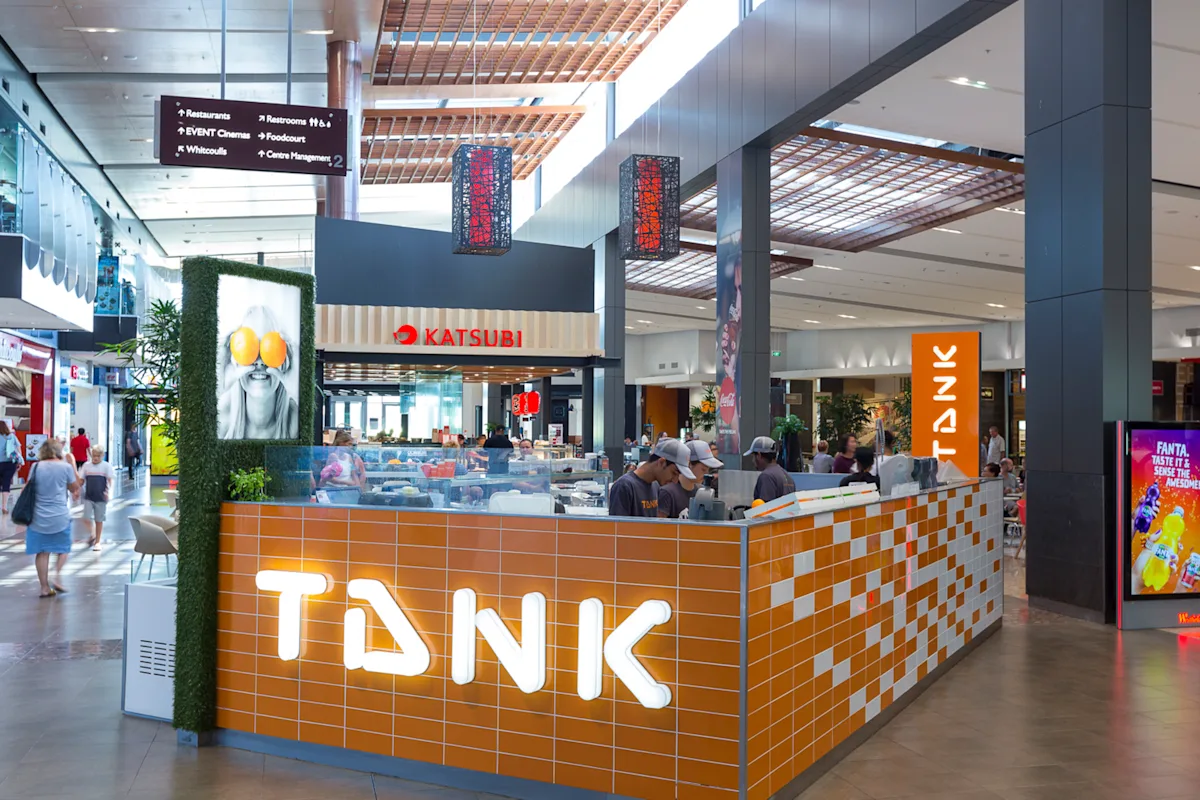
First, it’s important to correct a common misunderstanding: How to Buy Tank Juice Franchise. According to the official Tank Juice website, the business is “100% Kiwi owned & never ever franchised.” (tankjuice.co.nz)
However, you can still understand this topic in two ways:
- Why Tank doesn’t franchise
- How a similar juice/smoothie franchise OR your own juice bar business works (process, cost, profit, etc.)
Below is a full explanation in proper paragraphs (around 1000 words) so you understand everything clearly.
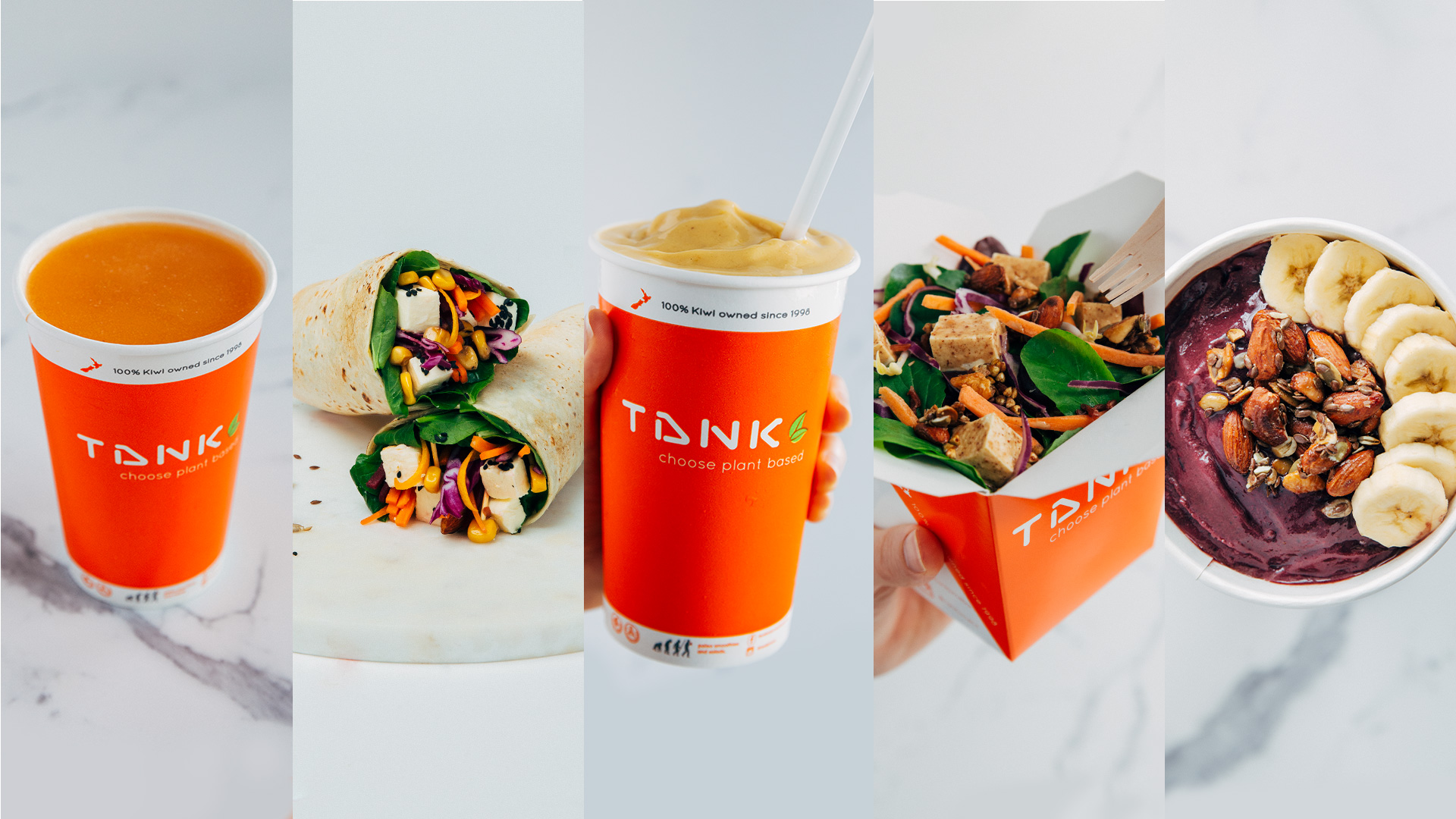
1. About Tank Juice Business Model
Tank Juice is a New Zealand-based healthy food chain started in 1998 and now has 90+ stores across the country. (tankjuice.co.nz)
Unlike brands such as Boost Juice or Subway, Tank follows a company-owned model, meaning all stores are controlled by the parent company rather than independent franchise owners.
The main reason companies choose this model is quality control and brand consistency. Smoothies and fresh food depend heavily on ingredients, preparation, and customer experience. By not franchising, Tank ensures every store maintains the same standards.
For you as a business person, this means you cannot directly invest in Tank stores, but you can learn from their system and either:
- Start your own juice/smoothie brand, or
- Buy a franchise from another similar brand.
2. Franchise Process (General Juice/Smoothie Brand)
If you want to enter this industry, the process for most juice franchises follows a standard structure.
First, you apply through the franchisor’s website and submit your financial details, experience, and location preference. If shortlisted, the company conducts interviews and checks whether you can manage operations.
After approval, you sign a franchise agreement, which legally allows you to use the brand name, recipes, and systems. This agreement defines your rights, fees, and responsibilities.
Next comes training and setup. The franchisor trains you in operations, inventory, customer service, and marketing. Then you secure a location, complete store fit-out, and install equipment.
Finally, once everything is ready, you launch your store with support from the franchisor. This process usually takes 3–6 months depending on approvals and construction.
3. Licence & Legal Requirements
Even though Tank itself doesn’t franchise, if you open a similar business in New Zealand, you must follow legal requirements.
You need to register a business (company or sole trader) and comply with food safety regulations under the Food Act. A Food Control Plan is mandatory for any juice or food outlet.
If you run a franchise, the franchise agreement becomes your main legal document. It includes rules for branding, pricing, suppliers, and operations.
You also need:
- GST registration
- Health & safety compliance
- Employment contracts for staff
- Insurance (public liability, business cover)
The key point is that franchising does not remove legal responsibility—you still operate as a business owner.
4. Cost Breakdown (Very Important)
The cost of starting a juice franchise or similar business can vary widely. According to New Zealand franchise data, costs are divided into upfront and ongoing expenses.
Upfront Costs:
- Franchise fee (brand entry fee)
- Store fit-out (design, counters, branding)
- Equipment (blenders, juicers, refrigeration)
- Initial stock (fruits, packaging, ingredients)
- Rent deposit and lease setup
- Legal and accounting fees
These costs can range from NZD $150,000 to $400,000+ depending on location and brand.
Ongoing Costs:
- Royalty fees (percentage of sales)
- Marketing contributions
- Rent and utilities
- Staff wages
- Inventory replenishment
One important insight is that royalties are usually based on revenue, not profit, meaning you must pay even during slow periods.
5. Machine & Equipment Required
A juice/smoothie business depends heavily on equipment quality and speed. Typical machines include:
- Commercial blenders (high-speed)
- Cold-press juicers
- Refrigerators and freezers
- Ice machines
- POS (billing system)
Equipment is one of the biggest investments in setup. Many franchises require you to buy from approved suppliers, which ensures consistency but may increase costs.
Good machines improve speed and consistency, which directly impacts customer satisfaction and profit.
6. Location Selection (Critical Factor)
Location is one of the most important factors for success in this business.
Ideal locations include:
- Shopping malls
- Busy streets
- Near gyms or fitness centres
- Universities and offices
This business depends on high foot traffic and repeat customers.
According to industry discussions, smoothie businesses are volume-driven, meaning you need many daily sales to succeed.
If you choose a low-traffic area, even a good product may fail. That’s why franchisors often help with site selection before approval.
7. Profit & Income Reality
Profit in juice businesses depends on sales volume, cost control, and location.
Typical numbers:
- Gross margin: 50–70% (on drinks)
- Net profit: 10–25% after expenses
However, this is not guaranteed. Many hospitality businesses take 1–2 years to break even.
From real-world insights, successful outlets rely on:
- Repeat customers
- Fast service
- Consistent product quality
- Strong branding
For example, if your monthly sales are NZD $50,000 and your net margin is 20%, your profit would be around $10,000 per month before tax.
But remember:
- Rent and wages can reduce profit significantly
- Seasonal demand (summer vs winter) affects sales
8. Advantages vs Disadvantages
Advantages:
- Established brand (if franchised)
- Proven business model
- Training and support
- Easier to attract customers
Disadvantages:
- High startup cost
- Ongoing royalty payments
- Limited freedom (must follow brand rules)
- Profit margins can be tight
Many experts say franchising is less risky but also less flexible compared to starting your own brand.
9. Alternative: Start Your Own Juice Brand
Since Tank Juice does not offer franchising, a smart alternative is to create your own brand.
Benefits:
- No royalty fees
- Full control over pricing and menu
- Lower startup cost (can start small kiosk or food truck)
However, you must build:
- Brand recognition
- Recipes and quality standards
- Marketing strategy
This is harder initially but can be more profitable long-term.
10. Final Conclusion (Buy Tank Juice Franchise)
You cannot buy a Tank Juice franchise because the company does not franchise its stores. However, the juice and smoothie business is still a strong opportunity if you choose the right approach.
How to purchase Tank Franchise Step by Step How to purchase Tank Franchise How to Buy Tank Franchise Step by Step tank juice franchise cost 2026 how to buy tank juice franchise tank juice franchise price breakdown tank juice franchise requirements tank juice franchise profit per month is tank juice franchise profitable tank juice business profit margin tank juice vs Jamba Juice franchise cost small juice franchise startup cost NZ best juice franchise under $100k How to Buy Tank Franchise