What is Mounjaro? (Tirzepatide)
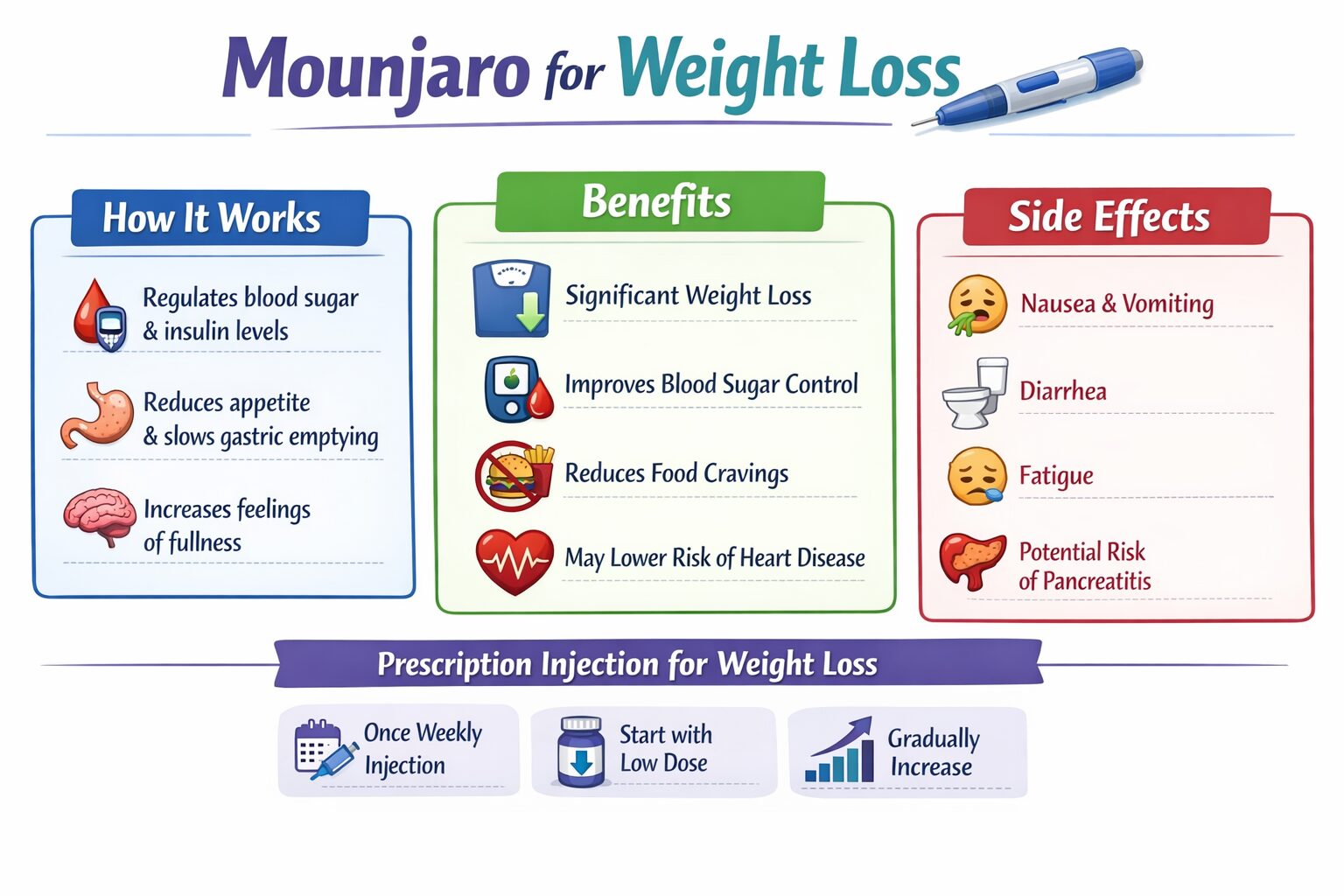
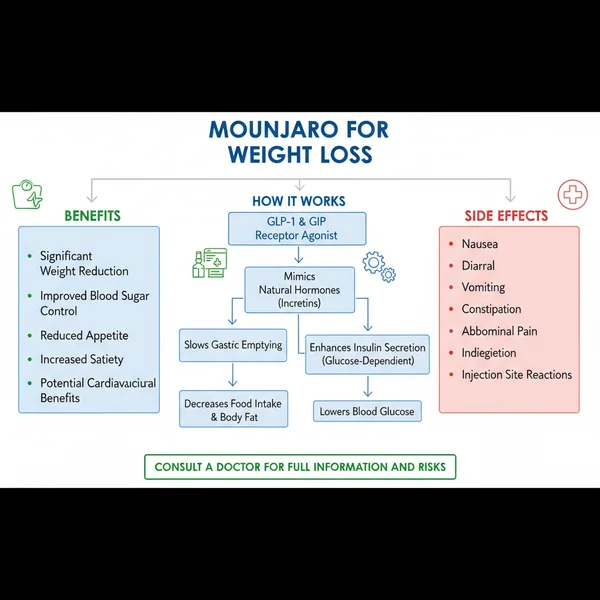
Mounjaro for Weight Loss (generic name: tirzepatide) is a prescription injectable medication approved for the treatment of type 2 diabetes. It is a novel dual-action peptide that activates both the glucagon-like peptide-1 (GLP-1) receptor and the glucose-dependent insulinotropic polypeptide (GIP) receptor. By engaging these two incretin pathways, tirzepatide improves glucose control, supports insulin secretion when needed, reduces inappropriate glucagon release, slows gastric emptying, and reduces appetite — effects that together can drive meaningful weight loss in many patients.
How Mounjaro Works (Mechanism of Action)
- Dual incretin receptor agonist: stimulates GLP-1 and GIP receptors.
- Enhances glucose-dependent insulin secretion and lowers glucagon release, reducing blood glucose without causing as much hypoglycemia risk as some insulin-centered therapies.
- Slows gastric emptying and reduces appetite and caloric intake.
- May improve insulin sensitivity indirectly through weight reduction and metabolic effects.
Key Benefits of Mounjaro
- Improved blood sugar control
- Significant reductions in HbA1c (glycated hemoglobin) in clinical trials, often greater than many existing diabetes drugs.
- Weight loss
- Demonstrated clinically meaningful weight reduction; many patients lose substantial weight over months.
- Cardiometabolic improvements
- Favorable effects on fasting glucose, postprandial glucose, and some markers of lipids and blood pressure in trials.
- Convenient dosing
- Once-weekly subcutaneous injection (dose as prescribed by clinicians).
- Potential to reduce medication burden
- For some patients, Mounjaro may allow reduction or simplification of other diabetes medications under clinician supervision.
- Reduced risk of severe hypoglycemia (compared with insulin or sulfonylureas) because its insulin-stimulating effect is glucose-dependent.
Possible Side Effects (Common and Serious)
Note: Side effects vary by individual and dose. Always consult a healthcare provider.
Common (frequent, often transient):
- Gastrointestinal: nausea, vomiting, diarrhea, constipation, abdominal pain, indigestion. These are the most common and often lessen over weeks as the body adjusts.
- Decreased appetite: contributes to weight loss but may be undesirable if excessive.
- Injection-site reactions: redness, itching, or mild discomfort.
Less common / potentially serious:
- Pancreatitis: reported with incretin-based therapies; persistent severe abdominal pain, with or without vomiting, requires immediate medical attention.
- Gallbladder disease: increased risk of gallstones and cholecystitis has been observed with significant weight loss and GLP-1–class effects.
- Hypoglycemia: risk increases when combined with insulin or insulin secretagogues (e.g., sulfonylureas); dose adjustments may be needed.
- Gastrointestinal intolerance leading to dehydration or electrolyte imbalance in severe vomiting/diarrhea.
- Possible acute kidney injury: rare and often secondary to volume depletion from GI side effects.
- Thyroid C-cell tumors: in rodent studies of GLP-1 receptor agonists, C-cell tumors occurred; relevance to humans is unclear, but Mounjaro carries warnings. It is contraindicated in patients with personal or family history of medullary thyroid carcinoma (MTC) or MEN2 syndrome.
- Allergic reactions: rare but can be serious; seek immediate care for signs of angioedema or severe hypersensitivity.
Who Should and Should Not Use Mounjaro
- Appropriate for: adults with type 2 diabetes requiring improved glycemic control, especially those who would benefit from weight loss and have no contraindications.
- Not recommended for: patients with type 1 diabetes, diabetic ketoacidosis, history of MTC or MEN2, known hypersensitivity, or severe gastrointestinal disease where slowed gastric emptying is problematic.
- Use caution: pregnancy and breastfeeding (safety not established); older adults (monitor kidney function); patients on insulin or sulfonylureas (adjust doses to reduce hypoglycemia risk).
Using Mounjaro for Weight Loss — Practical Guidance
Important: Mounjaro is approved for type 2 diabetes. While weight loss has been a prominent outcome and tirzepatide is being investigated and marketed for obesity under different trade names/doses, any off-label weight-loss use should be under clinician supervision. Here’s a professional, evidence-aligned approach:
- Medical evaluation
- Baseline assessment: weight, BMI, HbA1c (if diabetic), renal function, liver tests, thyroid history/family history, medications that could interact.
- Discuss realistic goals, benefits, risks, and cost/insurance coverage.
- Dosing and titration
- Typical diabetes dosing begins low and is titrated slowly to minimize GI side effects — follow specific prescribing instructions.
- Slow dose escalation (per prescriber guidance) improves tolerability.
- Combine with lifestyle interventions
- Dietary changes: calorie reduction, emphasize whole foods, lean protein, fiber-rich vegetables, and limit refined carbs and added sugars.
- Physical activity: aim for regular aerobic activity plus resistance training; even moderate increases in activity aid weight loss and cardiometabolic health.
- Behavioral support: counseling or structured programs improve adherence and outcomes.
- Monitor and manage side effects
- Expect transient nausea or GI symptoms; starting at a low dose and increasing slowly helps.
- Stay hydrated and seek help if vomiting or diarrhea is severe.
- Monitor blood glucose closely if already on insulin or sulfonylureas — hypoglycemia risk necessitates dose adjustments.
- Follow-up and reassessment
- Regular follow-up to track weight, metabolic markers, side effects, and to adjust dose or medications.
- Reevaluate long-term plan (continued therapy versus stepping down) based on benefits and tolerability.
Practical Considerations: Cost, Access, and Insurance
- Mounjaro can be expensive; coverage varies by insurance and by indication (diabetes vs weight management). Prior authorization may be required.
- Generic availability is limited; discuss patient-assistance programs or alternatives (other GLP-1 receptor agonists) with a provider.
Summary (Key Takeaways)
- Mounjaro (tirzepatide) is a dual GIP/GLP-1 receptor agonist that effectively lowers blood glucose and promotes weight loss.
- Benefits include substantial HbA1c reductions and clinically meaningful weight loss, improved cardiometabolic risk markers, and once-weekly dosing.
- Common side effects are gastrointestinal; serious but rare risks include pancreatitis, gallbladder disease, kidney injury, and a theoretical risk for thyroid C-cell tumors — contraindicated in those with MTC or MEN2.
- For weight loss, Mounjaro should be used under medical supervision, combined with lifestyle changes, and with monitoring for side effects and interactions.
What is Mounjaro Mounjaro Benefits Tirzepatide weight loss Mounjaro side effects How does Mounjaro work for weight loss Mounjaro effectiveness Mounjaro dosage for weight loss Best weight loss medications Obesity treatment Mounjaro GLP-1 GIP weight loss