
Wegovy (Semaglutide): Benefits, Side Effects, and How It Helps with Weight Loss
Wegovy Works for Weight Loss for a high‑dose formulation of semaglutide approved specifically for chronic weight management in adults with obesity (body mass index [BMI] ≥30) or overweight (BMI ≥27) with at least one weight‑related condition (for example, hypertension, type 2 diabetes, or dyslipidemia). Semaglutide is a glucagon‑like peptide‑1 (GLP‑1) receptor agonist that mimics an intestinal hormone involved in appetite regulation, glucose control, and gastric emptying. Wegovy is given as a once‑weekly subcutaneous injection and is prescribed as part of a comprehensive weight‑management plan including diet and exercise.
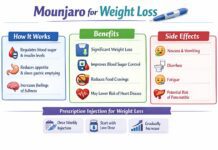
How Wegovy Works (Mechanism of Action)
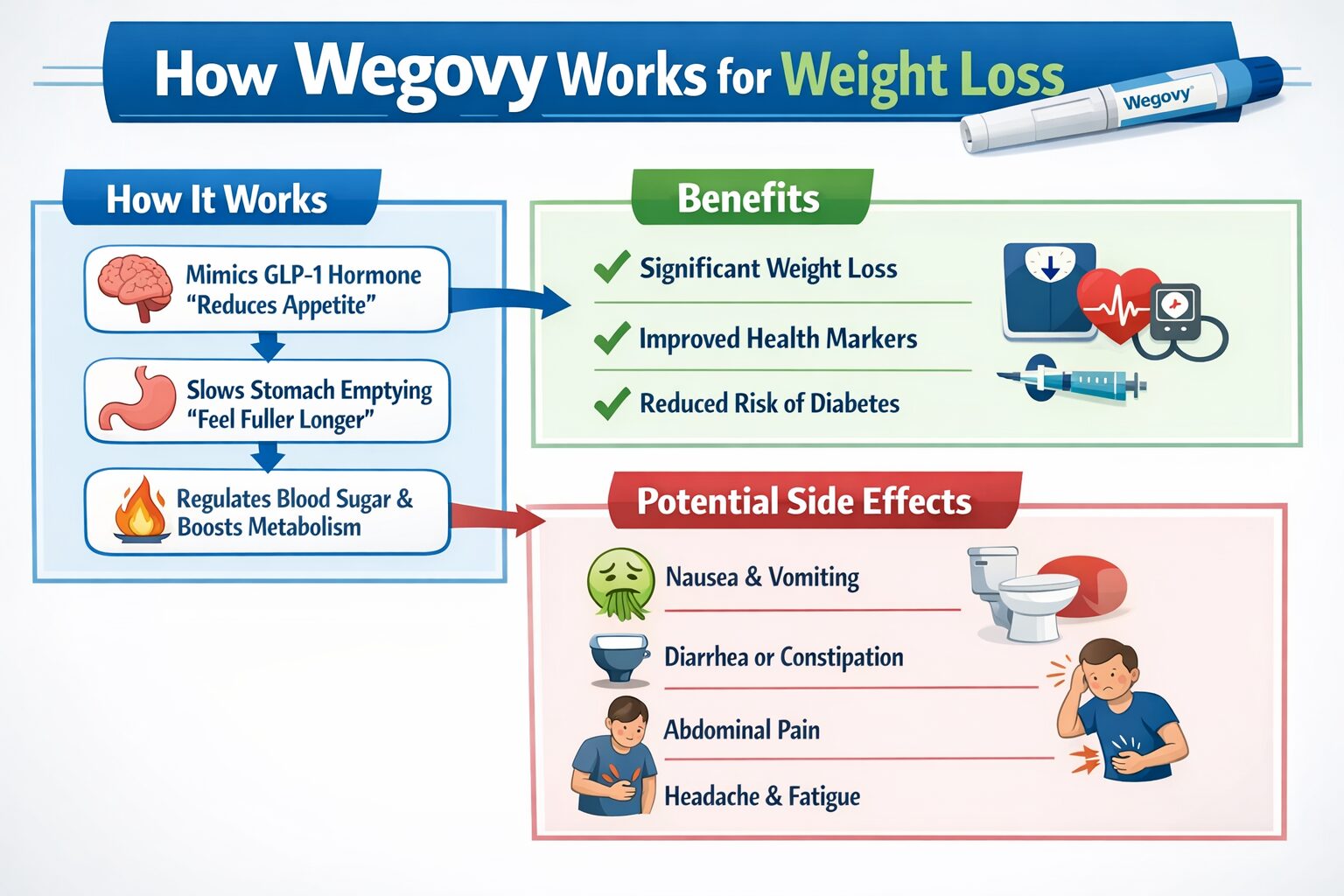
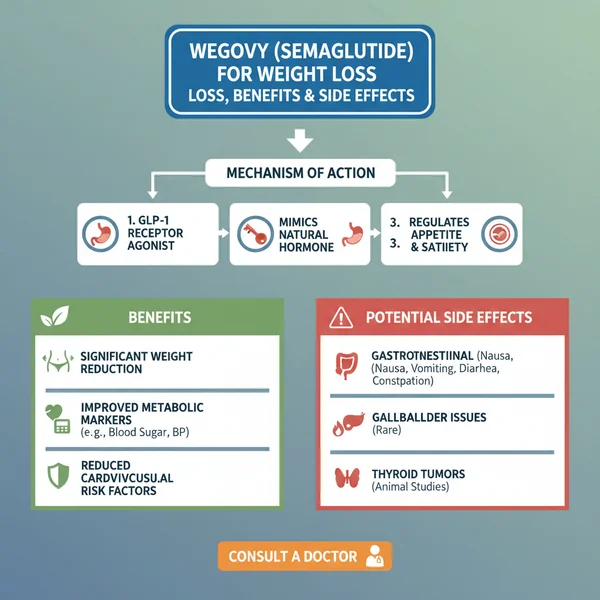
- Activates GLP‑1 receptors in the brain, reducing appetite and increasing feelings of fullness.
- Slows gastric emptying, which helps people eat less and feel satiated longer.
- Improves glucose‑dependent insulin secretion and lowers glucagon, which benefits blood sugar control for people with type 2 diabetes or prediabetes.
Together, these effects produce clinically meaningful and sustained reductions in body weight when combined with lifestyle changes.
Proven Benefits
- Significant weight loss
- Clinical trials (STEP program) showed average weight loss substantially greater than placebo — many patients lost 10–15% (and in some trials higher) of baseline body weight over 68 weeks when combined with lifestyle intervention.
- Improvements in metabolic health
- Reductions in waist circumference, fasting glucose, HbA1c (in people with diabetes or prediabetes), and improvements in blood pressure and lipid profiles.
- Improved quality of life markers
- Participants reported better physical function, decreased obesity‑related symptoms, and improved self‑perception in many studies.
- Convenience of once‑weekly dosing
- Reduces daily pill burden and can improve adherence compared with daily medications.
- Potential to reduce need for other medications
- Weight loss and better glycemic control may reduce the dose or number of other drugs for diabetes, hypertension, or dyslipidemia (under physician supervision).
Full Side‑Effect Profile (Common to Rare/Serious)
Note: Side effects vary by individual and are often dose‑related. Discuss risks with your healthcare provider.
Common and generally transient:
- Gastrointestinal: nausea, vomiting, diarrhea, constipation, abdominal pain, dyspepsia. These occur most during dose escalation and usually lessen over several weeks.
- Decreased appetite: intended effect but can be excessive for some.
- Injection‑site reactions: redness, pruritus, or mild discomfort.
- Fatigue or mild dizziness in some users.
Less common / potentially serious:
- Pancreatitis: rare cases reported with GLP‑1 receptor agonists. Seek immediate care for severe, persistent abdominal pain with or without vomiting.
- Gallbladder disease: increased risk of gallstones and cholecystitis, especially with rapid weight loss.
- Kidney injury: rare reports of acute kidney injury, often associated with dehydration from severe GI symptoms.
- Hypoglycemia: more likely if Wegovy is used with insulin or sulfonylureas; blood glucose monitoring and med adjustments are necessary.
- Thyroid C‑cell tumors: rodent studies showed C‑cell tumors with semaglutide; human relevance is uncertain. Wegovy is contraindicated in people with a personal or family history of medullary thyroid carcinoma (MTC) or multiple endocrine neoplasia syndrome type 2 (MEN2).
- Allergic reactions: rare but can be serious (angioedema, anaphylaxis).
- Mood changes: some users report depression or suicidal thoughts; monitor mental health and seek help if needed.
Who Should Consider Wegovy — and Who Should Not
- Appropriate candidates:
- Adults with BMI ≥30, or BMI ≥27 with at least one weight‑related comorbidity, who have not achieved sufficient weight loss with lifestyle changes alone.
- Patients willing to follow medical supervision, lifestyle intervention, and regular follow‑up.
- Not recommended for:
- People with a personal or family history of MTC or MEN2.
- Patients with known hypersensitivity to semaglutide.
- Children and adolescents (pediatric approvals differ).
- Pregnant or breastfeeding people (safety not established) — avoid pregnancy while using Wegovy and for a period after stopping as advised by your provider.
How to Use Wegovy for Weight Loss (Practical Guide)
- Medical evaluation first
- Baseline assessment: BMI, medical history, medication review, labs (glucose/HbA1c if indicated, kidney and liver function), and family history of thyroid cancer.
- Discuss realistic expectations and commitment to lifestyle changes.
- Titration schedule
- Wegovy is started at a low weekly dose and gradually increased over several months to the full maintenance dose to minimize GI side effects. Follow your prescriber’s titration plan exactly.
- Lifestyle combination
- Diet: aim for a reduced‑calorie, nutrient‑dense eating plan. Focus on protein and fiber to support satiety, and reduce simple sugars and ultra‑processed foods.
- Activity: regular aerobic exercise plus resistance training helps preserve lean mass and improves cardiometabolic outcomes.
- Behavioral support: counseling, structured programs, or digital tools help with adherence and lifestyle change.
- Monitoring and side‑effect management
- Expect transient nausea—eat smaller meals, avoid high‑fat or large meals during dose escalation, and stay hydrated.
- Report severe abdominal pain, persistent vomiting, signs of gallbladder disease, dehydration, or mood changes immediately.
- If using insulin or sulfonylureas, monitor blood glucose closely and adjust other medications as recommended.
- Long‑term planning
- Ongoing treatment may be needed to maintain weight loss; stopping often leads to weight regain. Discuss goals, duration, and maintenance strategies with your clinician.
Cost, Access, and Alternatives
- Wegovy is a branded medication and can be expensive; insurance coverage for obesity medications varies and often requires prior authorization.
- Alternatives include lifestyle programs, other FDA‑approved anti‑obesity medications, and for some patients, bariatric surgery. Choice depends on medical history, degree of obesity, risk profile, and cost considerations.
- Ask your provider about patient assistance programs or clinical programs that may reduce out‑of‑pocket costs.
Conclusion (Wegovy Works for Weight Loss)
Wegovy (semaglutide) offers a highly effective medical option for people with obesity or overweight plus comorbidities when combined with lifestyle intervention. It produces meaningful weight loss and metabolic benefits for many patients, but it carries common gastrointestinal side effects and rarer serious risks (pancreatitis, gallbladder disease, potential thyroid concerns). Use under medical supervision with careful titration, monitoring, and a sustainable long‑term plan yields the best outcomes.
How Wegovy works weight loss Wegovy benefits for weight loss Wegovy side effects explained Semaglutide weight loss mechanism Wegovy treatment expectations Weight loss drug Wegovy Benefits of Wegovy medication Risks of Wegovy for weight loss Wegovy vs Ozempic for weight loss Easy weight loss with Wegovy





Thanku