Is Licorice Root Good for You? Benefits, Uses & Risks Explained (2026)
Benefits of Licorice Root derived from the plant Glycyrrhiza glabra, has been used for thousands of years in traditional medicine systems like Ayurveda and Traditional Chinese Medicine. Known for its naturally sweet flavor and powerful healing compounds, licorice root is making a strong comeback in 2026 as a popular herbal remedy for multiple health conditions.
In this comprehensive guide, we’ll explore the science-backed benefits, uses, and precautions of licorice root.
1. Powerful Anti-Inflammatory Properties
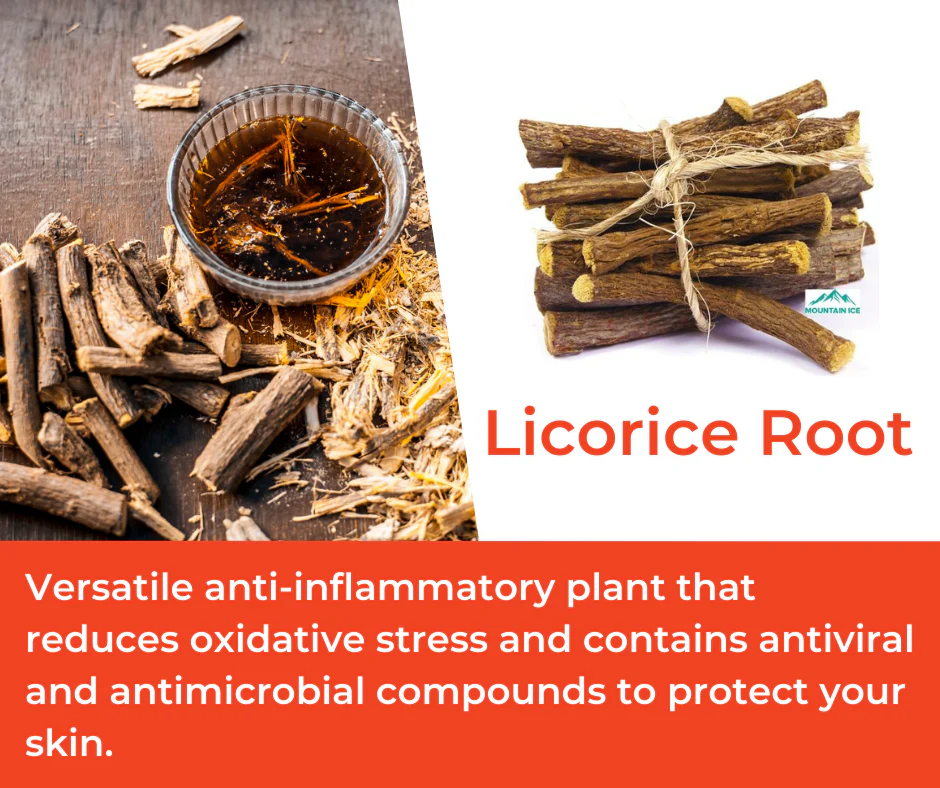
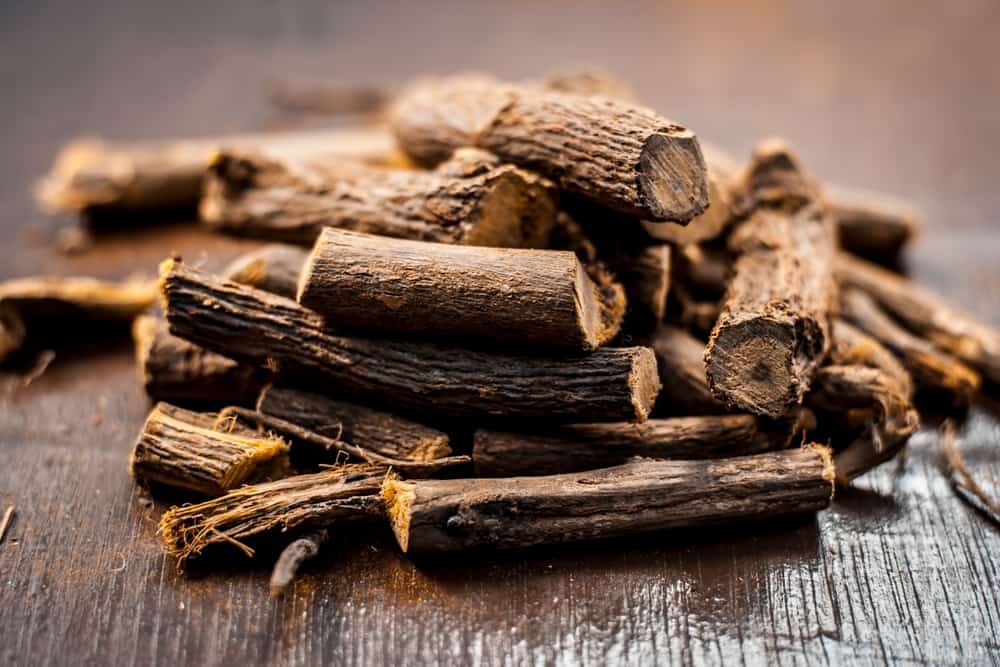
Licorice root contains active compounds like glycyrrhizin and flavonoids that help reduce inflammation in the body. Chronic inflammation is linked to diseases such as Arthritis, heart disease, and autoimmune disorders.
Licorice works by inhibiting inflammatory enzymes and calming immune responses, making it beneficial for conditions like joint pain and skin irritation.
2. Supports Digestive Health
One of the most well-known benefits of licorice root is its ability to soothe the digestive system. It is commonly used to treat:
- Acid reflux
- Indigestion
- Stomach ulcers
Licorice helps increase mucus production in the stomach lining, protecting it from damage caused by acid. It is especially effective for managing Gastroesophageal Reflux Disease.
Deglycyrrhizinated licorice (DGL) is often recommended for safe, long-term digestive support without side effects.
3. Boosts Immune System
Licorice root has antiviral, antibacterial, and antifungal properties. Studies show that it can help fight infections and strengthen immunity.
It may be effective against viruses such as Influenza and even support immune defense against COVID-19 by reducing inflammation and viral replication.
Its immune-modulating properties help the body respond better to pathogens without overreacting.
4. Helps with Respiratory Health
Licorice root is widely used in herbal medicine for treating respiratory conditions. It acts as an expectorant, helping to loosen mucus and clear airways.
It is beneficial for:
- Cough
- Sore throat
- Bronchitis
- Asthma
Licorice soothes the throat lining and reduces irritation, making it a key ingredient in many cough syrups and herbal teas.
5. Supports Skin Health
Licorice root is rich in antioxidants that help protect the skin from damage caused by free radicals. It is commonly used to treat:
- Acne
- Eczema
- Hyperpigmentation
Its anti-inflammatory and antimicrobial properties help calm irritated skin and reduce redness. It is also used in skincare products to brighten skin tone and reduce dark spots.
6. Hormonal Balance and Women’s Health
Licorice root contains phytoestrogens that can help regulate hormone levels. It is often used to support women dealing with:
- Menstrual irregularities
- Menopause symptoms
- Polycystic Ovary Syndrome (PCOS)
Licorice may help reduce symptoms like hot flashes and mood swings by balancing estrogen levels naturally.
7. May Aid in Weight Management
Some studies suggest that licorice root may help reduce body fat by regulating cortisol levels (stress hormone). High cortisol is linked to weight gain, especially around the abdomen.
Licorice may also improve metabolism and reduce cravings, making it a supportive herb in weight management programs.
8. Supports Liver Health
Licorice root has hepatoprotective properties, meaning it helps protect the liver from damage. It is used in treating liver conditions such as:
- Fatty liver
- Hepatitis
Research shows that licorice extracts can reduce liver inflammation and improve enzyme levels, promoting overall liver function.
9. Improves Oral Health
Licorice root has antibacterial properties that help fight harmful bacteria in the mouth. It may help prevent:
- Tooth decay
- Gum disease
- Bad breath
Some natural toothpastes and mouthwashes include licorice extract for its oral health benefits.
10. Stress Reduction and Adrenal Support
Licorice root is considered an adaptogen, meaning it helps the body cope with stress. It supports adrenal gland function and helps regulate cortisol levels.
This can lead to improved energy levels, better mood, and reduced fatigue—especially in people with chronic stress or adrenal burnout.
How to Use Licorice Root
Licorice root is available in several forms:
- Tea
- Capsules
- Powder
- Liquid extract
For digestive issues, DGL tablets are commonly recommended. For general wellness, licorice tea is a popular and easy option.
Precautions and Side Effects (Health Benefits of Licorice Root in Hindi)
While licorice root offers many benefits, excessive consumption can lead to side effects due to glycyrrhizin.
Possible risks include:
- High blood pressure
- Low potassium levels
- Fluid retention
People with conditions like Hypertension should avoid high doses. Pregnant women and individuals on medications should consult a healthcare provider before use.
Final Thoughts
Licorice root is a powerful natural remedy with a wide range of health benefits—from improving digestion and boosting immunity to supporting skin and hormonal health. As herbal medicine continues to grow in popularity in 2026, licorice root stands out as a versatile and effective solution.
However, like any supplement, it should be used responsibly and in moderation. Choosing high-quality, standardized products and consulting a healthcare professional can help you safely enjoy its benefits.
Health Benefits of Licorice Root in Hindi teas with licorice root licorice root chinese organic licorice root Licorice root benefits Licorice root for digestion DGL licorice supplement Herbal remedies for GERD Natural anti-inflammatory herbs Licorice root for skin whitening Licorice tea benefits Adaptogenic herbs for stress Licorice root side effects Best herbal supplements 2026