Tums Tablet: Uses, Dosage, Benefits, Side Effects & Safety Guide 2026
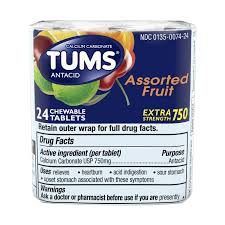
Tums Tablet Uses Benefits is a widely used over-the-counter antacid medication that helps relieve common digestive discomforts. Its active ingredient is calcium carbonate, which works by neutralizing excess stomach acid. Because of its fast-acting nature and easy availability, Tums is commonly used for heartburn, indigestion, and related symptoms.

What Is Tums Tablet?
Tums tablets are chewable antacid tablets designed to provide quick relief from acid-related stomach issues. They are available in different flavors and strengths, making them convenient for daily use. Since they contain calcium, they can also contribute to your daily calcium intake when used appropriately.
Uses of Tums Tablet
Tums is mainly used to treat conditions caused by excess stomach acid. Below are the primary uses:
1. Heartburn Relief
Tums quickly neutralizes stomach acid, helping relieve the burning sensation in the chest caused by acid reflux.
2. Indigestion (Dyspepsia)
It helps reduce discomfort such as bloating, fullness, and stomach upset after eating heavy or spicy meals.
3. Acid Reflux (GERD Symptoms)
Although not a long-term treatment, Tums can provide temporary relief from symptoms of acid reflux or Gastroesophageal Reflux Disease.
4. Sour Stomach
Tums helps calm a sour or acidic stomach feeling, especially after overeating or consuming acidic foods.
5. Calcium Supplement
Since Tums contains calcium carbonate, it can be used as a mild calcium supplement for individuals with low calcium intake.
Benefits of Tums Tablet
Tums offers several advantages that make it a popular choice:
1. Fast-Acting Relief
Unlike some medications that take time to work, Tums begins neutralizing acid almost immediately after chewing.
2. Easy to Use
The chewable format eliminates the need for water, making it convenient for travel or on-the-go use.
3. Widely Available
Tums is available over the counter in pharmacies, supermarkets, and online stores.
4. Multiple Flavors and Strengths
It comes in different flavors like mint and fruit, as well as varying calcium strengths to suit different needs.
5. Additional Calcium Intake
Tums can help support bone health by providing extra calcium when taken within recommended limits.
Common Symptoms Treated by Tums
Tums is effective in managing a variety of symptoms related to excess stomach acid:
- Burning sensation in the chest (heartburn)
- Acidic taste in the mouth
- Stomach discomfort or pain
- Bloating and gas
- Feeling of fullness after meals
- Nausea due to acidity
These symptoms are often triggered by spicy food, caffeine, alcohol, or overeating.
How Tums Works
The active ingredient, calcium carbonate, works through a simple chemical reaction. It neutralizes hydrochloric acid in the stomach, reducing acidity and providing quick relief. This reaction also produces calcium chloride, water, and carbon dioxide, which helps ease discomfort.
Recommended Dosage
- Adults and children over 12 years: Typically 2–4 tablets as needed
- Maximum dosage depends on the strength (check label instructions)
- Tablets should be chewed completely before swallowing
Important: Do not exceed the recommended dose unless advised by a doctor.
Side Effects of Tums Tablet
Tums is generally safe when used as directed, but some side effects may occur:
Common Side Effects
- Constipation
- Gas or belching
- Dry mouth
Less Common Side Effects
- Nausea or vomiting
- Loss of appetite
- Increased thirst
Serious Side Effects (Rare)
- High calcium levels (Hypercalcemia)
- Kidney stones
- Confusion or fatigue
If you experience severe or persistent symptoms, consult a healthcare professional immediately.
Precautions and Warnings
Before using Tums, consider the following:
1. Kidney Problems
People with kidney disease should avoid excessive use, as calcium buildup can be harmful.
2. High Calcium Levels
Avoid using Tums if you already have high calcium levels in your blood.
3. Medication Interactions
Tums may interfere with the absorption of certain medications, including:
- Antibiotics
- Iron supplements
- Thyroid medications
Always take other medications at least 2 hours apart from Tums.
4. Pregnancy and Breastfeeding
Tums is generally considered safe during pregnancy for occasional use, but always consult a doctor before regular use.
When to Avoid Tums
Do not use Tums if you have:
- Severe kidney disease
- History of kidney stones
- Allergic reaction to calcium carbonate
- Chronic digestive issues without medical advice.
Tips for Safe Use
- Use only when needed, not as a daily long-term solution
- Follow dosage instructions carefully
- Maintain a balanced diet to reduce acid problems
- Avoid trigger foods like spicy, fried, and acidic items
- Stay upright after eating to prevent reflux
Tums vs Other Antacids
Tums works faster than many other acid-reducing medications but provides shorter relief. Unlike proton pump inhibitors (PPIs) or H2 blockers, it does not reduce acid production—only neutralizes existing acid.
This makes it ideal for quick, occasional relief rather than chronic conditions.
Conclusion (Tums Tablet Uses Benefits)
Tums tablets are a reliable and fast-acting solution for common digestive problems like heartburn, indigestion, and acid reflux. With its calcium carbonate formula, it not only neutralizes stomach acid but also provides supplemental calcium. However, it should be used responsibly and not as a long-term treatment without medical guidance.
Tums Tablet Uses Benefits and Symptoms Side Effects Tums Tablet in hindi what is Tums drug Tums Tablet kya hai Tums tablet uses and side effects 2026 Tums tablet benefits for heartburn relief Tums dosage and safety guide for adults How Tums works for acid reflux symptoms Tums tablet for indigestion and gas relief Is Tums safe for daily use and side effects Tums calcium carbonate benefits and risks Tums tablet symptoms relief guide 2026 When to take Tums for stomach acid relief Tums vs other antacids which is better